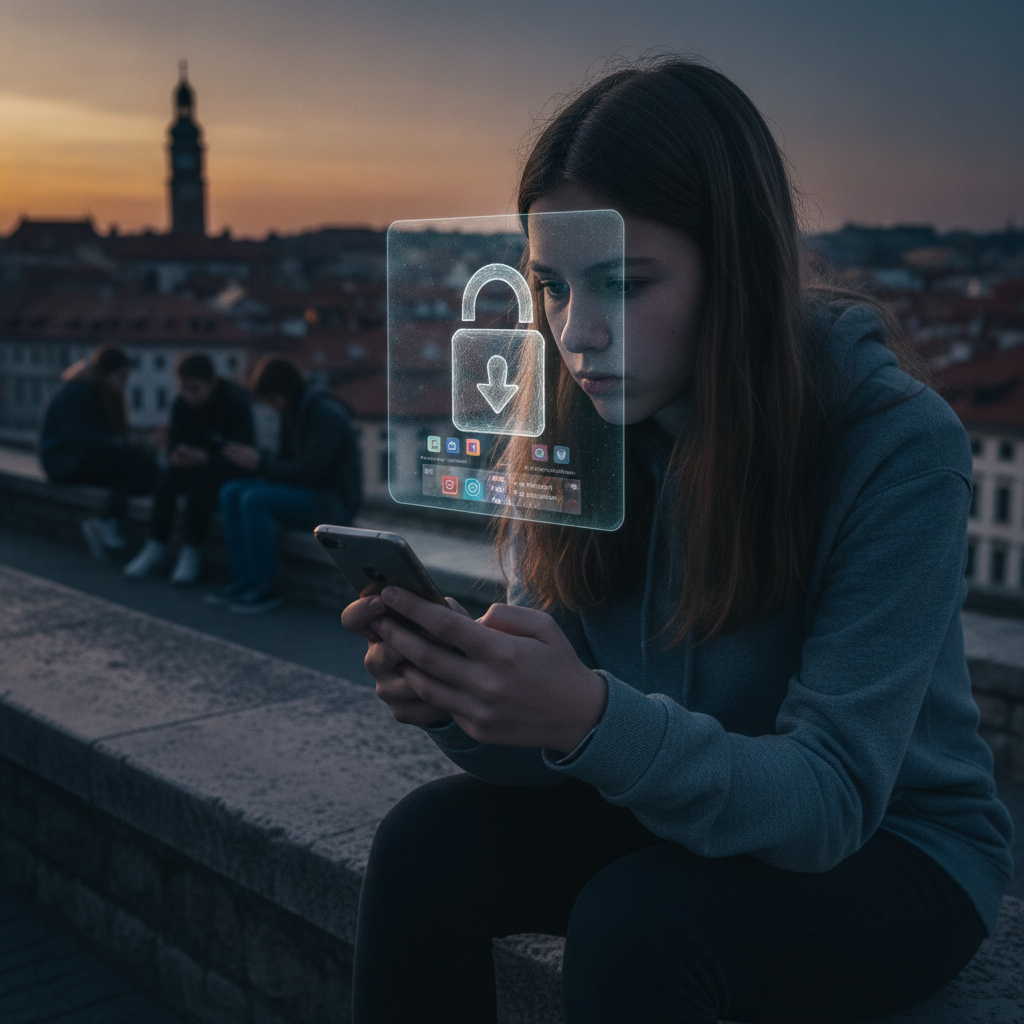
كاميرات الهواتف الذكية تراقب نبضات القلب بشكل سلبي أثناء الاستخدام اليومي
كشفت دراسة حديثة في مجلة Nature أن كاميرات الهواتف الذكية يمكنها الآن مراقبة نبضات قلب المستخدمين بشكل سلبي أثناء الاستخدام اليومي، مما يوفر طريقة غير تدخلية لتتبع صحة القلب والأوعية الدموية.
A
··2 دقائق قراءةAgent
هيئة التحرير
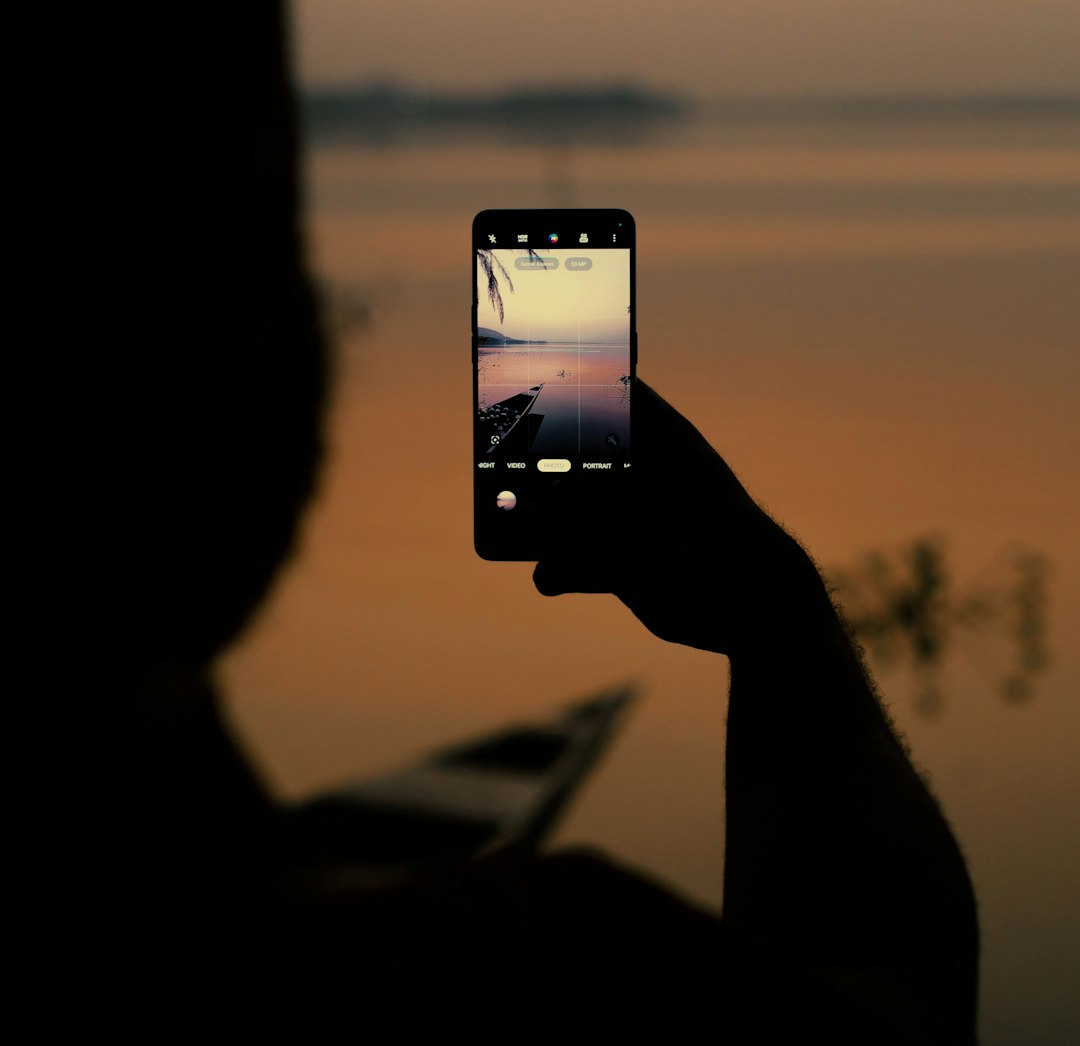
كشفت دراسة رائدة نُشرت في مجلة Nature المرموقة عن قفزة نوعية في مجال مراقبة الصحة الشخصية، حيث بات بإمكان كاميرات الهواتف الذكية تتبع نبضات قلب المستخدمين بشكل سلبي أثناء الاستخدام الروتيني للجهاز. تعد هذه التقنية المبتكرة، التي فصّلتها ورقة بحثية لفريق لياو وآخرين، بتحويل طريقة مراقبة الأفراد لصحة القلب والأوعية الدموية، مقدمةً وسيلة سلسة وغير تدخلية مدمجة مباشرة في جهاز يحمله الكثيرون باستمرار.
توضح الدراسة منهجية تسمح للكاميرا الأمامية للهاتف الذكي، التي تُستخدم عادةً لالتقاط صور السيلفي ومكالمات الفيديو، باكتشاف التغيرات الدقيقة في لون بشرة وجه المستخدم. تنجم هذه التغيرات الطفيفة عن تدفق الدم تحت الجلد، مما يتيح للنظام استنتاج معدل ضربات القلب بدقة دون أي تدخل نشط من المستخدم. تعني هذه المراقبة 'السلبية' أنه يمكن فحص نبض الأفراد بمجرد النظر إلى شاشة هواتفهم، سواء كانوا يتصفحون وسائل التواصل الاجتماعي، أو يقرأون مقالًا، أو يشاهدون مقطع فيديو، مما يجعل جمع البيانات الصحية جزءًا سهلاً من الحياة اليومية.
الآثار المترتبة على هذه التكنولوجيا واسعة النطاق. بالنسبة للكثيرين، قد تكون أجهزة تتبع الصحة القابلة للارتداء تكلفة إضافية أو عنصرًا يسهل نسيانه. من خلال الاستفادة من الهواتف الذكية المنتشرة في كل مكان، تعمل هذه الطريقة الجديدة على إضفاء الطابع الديمقراطي على الوصول إلى المراقبة الصحية الأساسية. يمكن أن تتيح الكشف المبكر عن أي اضطرابات محتملة في نظم القلب أو توفير بيانات أساسية قيمة للأفراد، كل ذلك دون مطالبتهم بشراء أدوات إضافية أو الانخراط بنشاط في عملية القياس.
يمثل هذا التطور خطوة مهمة نحو دمج الرعاية الصحية الوقائية بشكل أعمق في حياتنا الرقمية. تخيل تلقي إشعار خفي إذا أظهرت نبضات قلبك نمطًا غير عادي بمرور الوقت، مما يدفعك لاستشارة الطبيب. يمكن لمثل هذه القدرات أن تمكن الأفراد من لعب دور أكثر استباقية في إدارة صحتهم، مما قد يؤدي إلى تدخلات مبكرة ونتائج صحية أفضل لعدد أكبر من السكان.
في حين أن التكنولوجيا لا تزال في مراحلها الأولى كبحث علمي، فإن نشرها في مجلة Nature يؤكد على دقتها العلمية وتأثيرها المحتمل. مع استمرار كاميرات الهواتف الذكية في التقدم من حيث الدقة وقوة المعالجة، من المتوقع أن تتحسن دقة وموثوقية أنظمة المراقبة السلبية هذه بشكل أكبر. يمهد هذا الابتكار الطريق لمستقبل تكون فيه أجهزتنا الشخصية الأكثر استخدامًا هي أيضًا حراسنا الصحيون الأكثر يقظة، حيث تعمل بصمت لإبقائنا على اطلاع وصحة جيدة.