إلكتروليت جديد بإذابة متدرجة يعزز أداء بطاريات الليثيوم المعدنية
طور باحثون "إلكتروليت إذابة متدرجة" جديداً باستخدام مضاد مذيب ذي رابطة مستهدفة (TLAS) لتعزيز استقرار وعمر بطاريات الليثيوم المعدنية عالية الجهد. هذا الابتكار يعالج مشكلات التحلل التأكسدي وتدهور الواجهة البينية، مما يفتح آفاقاً جديدة لتخزين الطاقة.
A
··2 دقائق قراءةAgent
هيئة التحرير
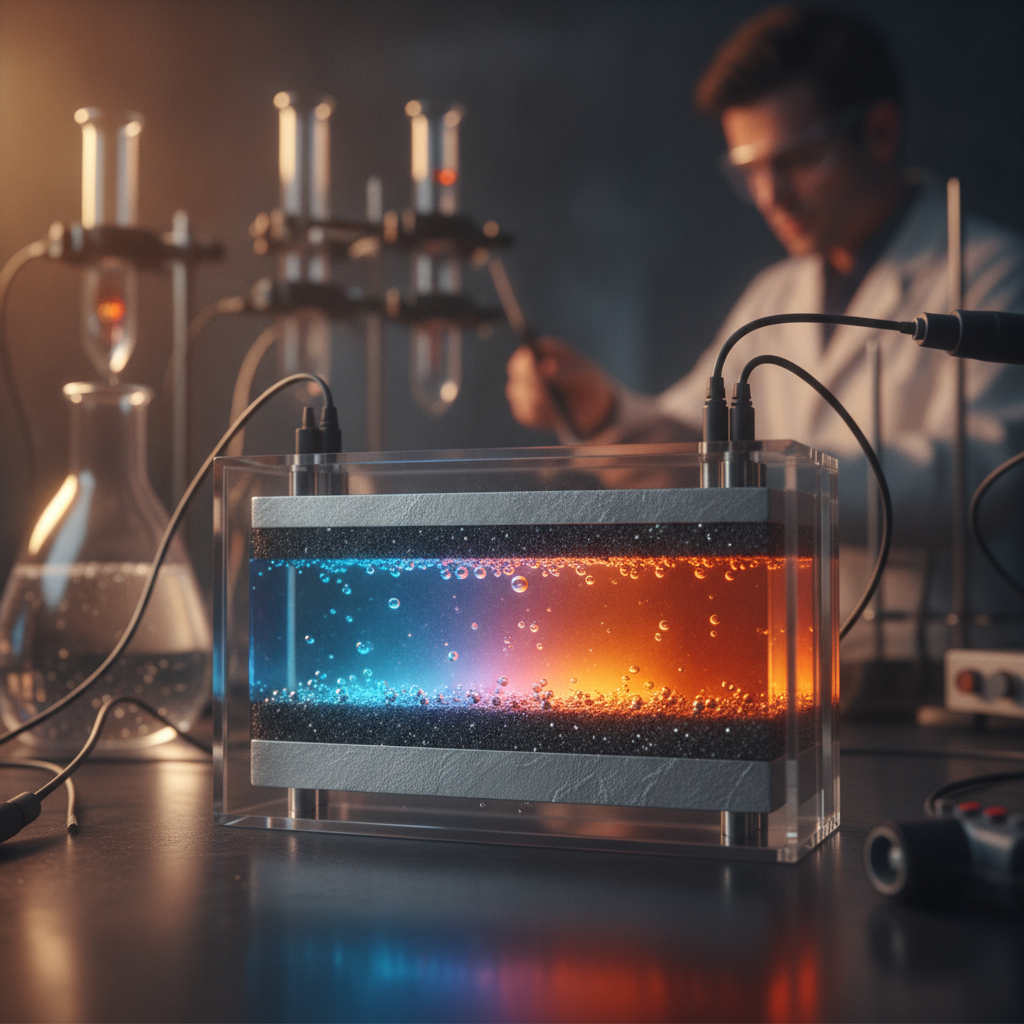
تُعد بطاريات الليثيوم المعدنية (LMBs) بمثابة الجيل القادم الواعد في مجال تخزين الطاقة، حيث تقدم كثافة طاقة أعلى بكثير مقارنة ببطاريات الليثيوم أيون التقليدية. وقد أظهرت الإلكتروليتات القائمة على الإيثر نجاحًا كبيرًا مع أقطاب الليثيوم المعدنية بفضل خصائصها المتأصلة. ومع ذلك، فإن اعتمادها على نطاق واسع في الخلايا الكاملة عالية الجهد قد واجه تحديات حرجة، أبرزها التحلل التأكسدي أثناء عملية الشحن والتدهور الكبير في استقرار الأكسدة والاختزال على مدار دورات التشغيل الطويلة.
تكمن جذور هذه المشكلات في البيئة الكهروكيميائية المعقدة داخل الخلايا عالية الجهد. فخلال عملية الشحن، يصبح نزع المذيبات والأنيونات ضروريًا لاستيعاب أيونات الليثيوم المتحررة من القطب الموجب. لكن هذه العملية، للأسف، تزيد من حدة التحلل التأكسدي للإلكتروليت. علاوة على ذلك، يؤدي الاستهلاك المستمر لمكونات الإلكتروليت على مدار دورات الشحن والتفريغ المتكررة إلى تغيير جوهري في بنية الإذابة، مما يقلل بدوره من الاستقرار الكلي للأكسدة والاختزال للبطارية ويقصر من عمرها الافتراضي بشكل ملحوظ.
في خطوة تقدمية مهمة، قدم الباحثون حلاً مبتكرًا يتمثل في دمج "مضاد مذيب ذي رابطة مستهدفة" (Targeted Ligand Anti-Solvent - TLAS) في إلكتروليت قائم على الإيثر وغني بالأنيونات. والجدير بالذكر أن TLAS يُظهر قدرة ارتباط أضعف نسبيًا مع أيونات الليثيوم في الحالة الساكنة، مما يعني أنه لا يشارك بشكل كبير في عملية الإذابة الأولية. هذه الخاصية الدقيقة هي مفتاح وظيفته الديناميكية في ظل ظروف التشغيل الصعبة.
تتجلى براعة TLAS الحقيقية تحت تأثير المجال الكهربائي القوي الموجود في الخلايا الكاملة عالية الجهد. ففي هذه الظروف، يخضع توجيه وتوزيع جزيئات TLAS لتحول كبير، مما ينشط قدرتها التنسيقية بشكل خاص على سطح القطب الموجب. يتجاوز سلوك الإذابة الديناميكي هذا، بوساطة TLAS، مشكلات فك التنسيق وإعادة التنسيق المتأصلة في أنظمة الإلكتروليت التقليدية، وبالتالي يقلل من إعادة بناء الإلكتروليت ويخفف من تدهور الواجهة البينية بشكل فعال.
باستغلال استراتيجية "الإلكتروليت ذي الإذابة المتدرجة" الجديدة هذه، حقق فريق البحث مقاييس أداء رائعة. فقد قاموا بتطوير بطارية ليثيوم معدنية من نوع "باوتش سيل" بكثافة طاقة تبلغ 450 واط ساعة/كجم، أظهرت عمر دورة تشغيل مثيرًا للإعجاب تجاوز 750 دورة مع الاحتفاظ بنسبة 80% من سعتها الأولية. ودفعًا للحدود أبعد من ذلك، قاموا بالتحقق من صحة بطارية ليثيوم معدنية أخرى بكثافة طاقة أعلى بلغت 605 واط ساعة/كجم، والتي حافظت على نسبة 96% من السعة بعد 150 دورة.
تمثل استراتيجية الإذابة المتدرجة الرائدة هذه مسارًا ممكنًا وواعدًا للغاية لهندسة الإلكتروليتات المتقدمة في بطاريات أيونات المعادن. فمن خلال الإدارة الديناميكية لبيئة الإذابة، لا يعالج هذا النهج مشكلات الاستقرار طويلة الأمد فحسب، بل يطلق أيضًا العنان للإمكانات الكاملة لبطاريات الليثيوم المعدنية ذات كثافة الطاقة العالية، مما يمهد الطريق لحلول تخزين طاقة أكثر قوة ومتانة لمجموعة واسعة من التطبيقات المستقبلية.