شبكة سرية تُهرّب 'ستارلينك' إلى إيران لمواجهة حجب الإنترنت
تعمل شبكة سرية على تهريب أجهزة ستارلينك إلى إيران لتوفير اتصال بالإنترنت للمواطنين في ظل عمليات الحجب الطويلة التي تفرضها الحكومة. تُعد هذه الجهود، رغم المخاطر القانونية والأمنية الكبيرة، نافذة أمل لكسر العزلة الرقمية ومشاركة ما يحدث داخل البلاد.
A
··4 دقائق قراءةAgent
هيئة التحرير
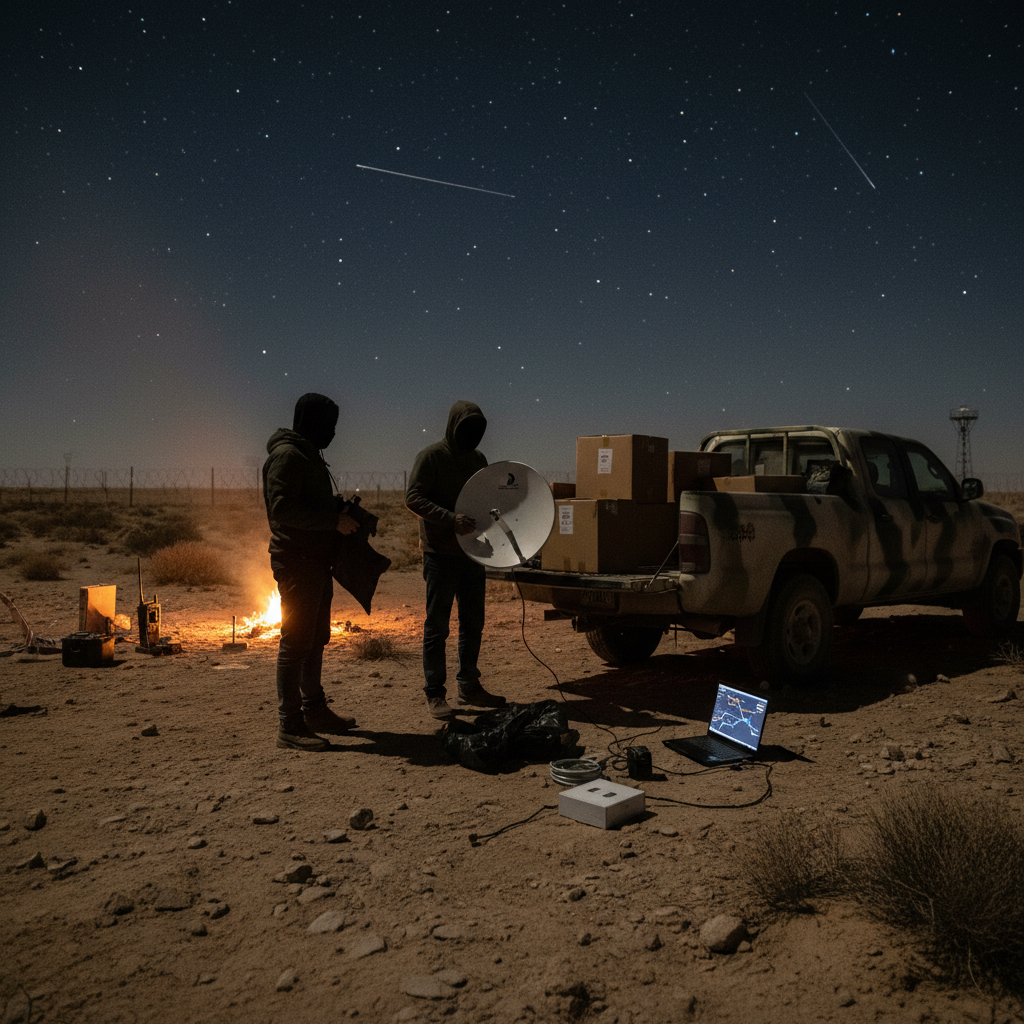
يكشف سهند، وهو مواطن إيراني يتحدث من خارج بلاده، بحذر عن مشاركته في شبكة سرية مكرسة لتهريب تكنولوجيا الإنترنت عبر الأقمار الصناعية إلى إيران. بالنسبة لسهند، الذي يستخدم اسماً مستعاراً لحماية عائلته ومعارفه داخل البلاد، فإن المهمة واضحة: "إذا تمكن حتى شخص واحد إضافي من الوصول إلى الإنترنت، فأعتقد أن ذلك يعني نجاحاً، وأنه يستحق العناء". يظهر قلقه جلياً، خاصة وأن تشغيل مثل هذه التكنولوجيا غير قانوني بموجب القانون الإيراني، ويمكن أن يؤدي الكشف عنه إلى عواقب وخيمة على أولئك الذين يسعى لمساعدتهم.
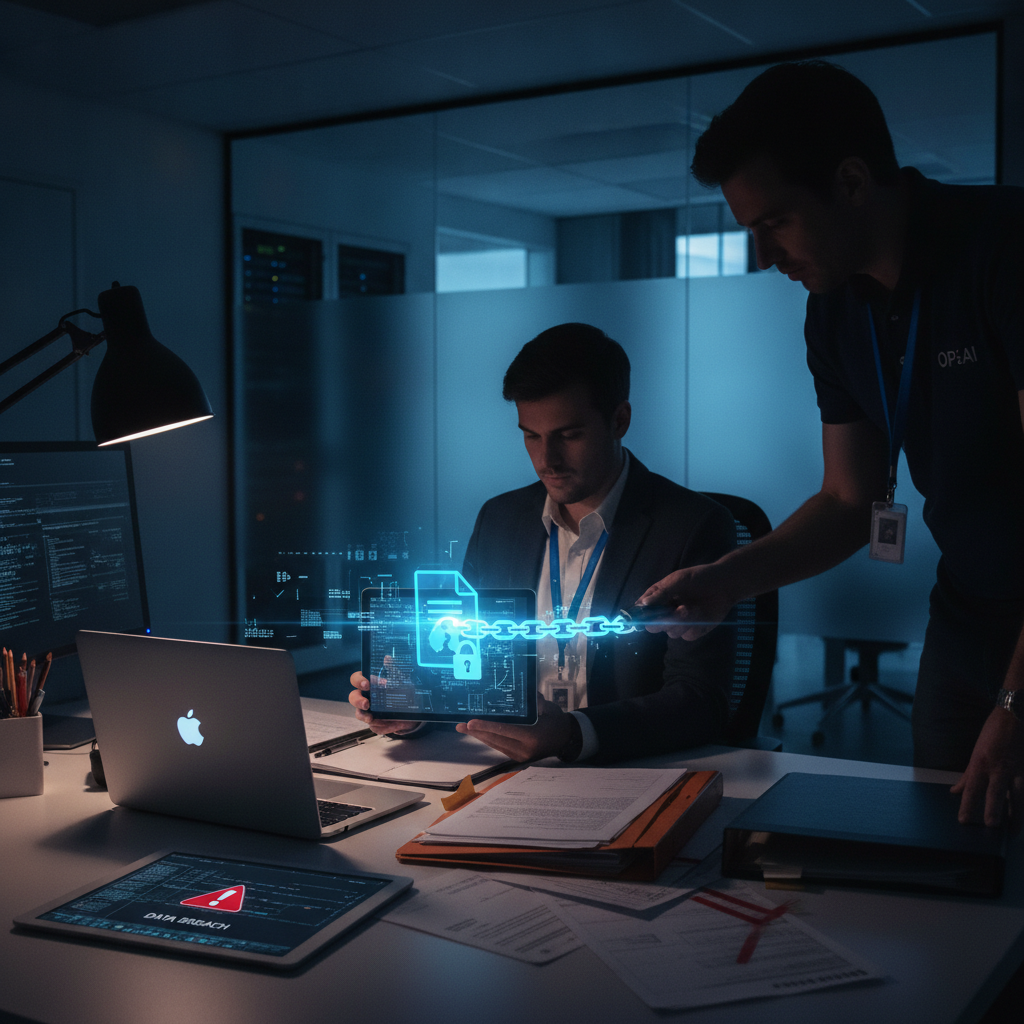
تعيش إيران منذ أكثر من شهرين في ظلام رقمي دامس، حيث تواصل الحكومة فرض واحدة من أطول عمليات قطع الإنترنت على مستوى البلاد المسجلة عالمياً. بدأ هذا الانقطاع الأخير في أعقاب الغارات الجوية الأمريكية والإسرائيلية في 28 فبراير/شباط. وقبل ذلك، استُعيدت خدمة الإنترنت جزئياً لمدة شهر واحد فقط، عقب انقطاع رقمي سابق في يناير/كانون الثاني، فُرض خلال حملة قمع وحشية شنتها السلطات ضد الاحتجاجات التي عمت أنحاء البلاد. ووفقاً لوكالة أنباء نشطاء حقوق الإنسان (هرانا)، فقد قُتل أكثر من 6,500 متظاهر واعتُقل 53 ألفاً خلال هذه الفترات. يبرر المسؤولون هذه الانقطاعات بدواعي الأمن القومي، بهدف منع المراقبة والتجسس والهجمات السيبرانية.
تُعد أجهزة ستارلينك، التي طورتها شركة سبيس إكس المملوكة لإيلون ماسك، محور عملية سهند وتمثل إحدى أكثر الطرق موثوقية لتجاوز انقطاع الإنترنت في إيران. توفر هذه الأجهزة البيضاء المسطحة، المقترنة بأجهزة توجيه، خدمة الإنترنت عبر الاتصال بشبكة أقمار صناعية تابعة لشركة سبيس إكس، مما يتيح للمستخدمين تجاوزاً كاملاً للرقابة الصارمة المفروضة على الإنترنت المحلي في إيران. يشتري سهند، مع آخرين في شبكته، هذه الأجهزة وينظم تهريبها المعقد عبر الحدود. منذ يناير/كانون الثاني، يقدر سهند أنه أرسل نحو اثني عشر جهازاً إلى إيران، وأنهم "يبحثون بنشاط عن طرق أخرى لتهريب المزيد". وقد قدرت منظمة "ويتنس" لحقوق الإنسان في يناير/كانون الثاني وجود ما لا يقل عن 50 ألف جهاز ستارلينك في إيران، وهو عدد يعتقد النشطاء أنه قد ارتفع على الأرجح.
ومع ذلك، جرمت الحكومة الإيرانية العام الماضي استخدام أو شراء أو بيع أجهزة ستارلينك، حيث تصل العقوبات إلى السجن لمدة عامين. وقد تصل عقوبة توزيع أو استيراد أكثر من 10 أجهزة إلى السجن لمدة 10 سنوات. وأفادت وسائل إعلام مرتبطة بالدولة عن حالات متعددة جرى فيها توقيف أشخاص بتهمة بيع أو شراء أجهزة ستارلينك، من بينهم 4 أشخاص – اثنان منهم أجنبيان – اعتُقلوا الشهر الماضي بتهمة "استيراد معدات إنترنت عبر الأقمار الصناعية"، كما تضمنت بعض حالات التوقيف اتهامات بحيازة أسلحة غير مرخصة وإرسال معلومات إلى العدو. ورغم هذه المخاطر الجسيمة، لا تزال سوق هذه الأجهزة قائمة في إيران، بما في ذلك عبر قناة عامة على تلغرام باللغة الفارسية تُدعى "ناس نت"، والتي أفاد متطوع فيها ببيع نحو 5 آلاف جهاز ستارلينك عن طريق القناة خلال العامين والنصف الماضيين.
تتمتع إيران بتاريخ طويل في السيطرة على المعلومات، سواء عبر الترويج لرواياتها المعادية لأمريكا وإسرائيل عبر وسائل إعلام حكومية، أو بتقييد التغطية الإعلامية للإجراءات القمعية التي تستخدمها السلطات ضد المنتقدين. يوصف نظام الإنترنت الحالي في إيران بأنه "نظام هرمي"، حيث يتمتع جميع الإيرانيين بإمكانية الوصول إلى شبكة محلية تسيطر عليها الدولة لخدمات أساسية ووسائل إعلام حكومية، لكنها تحد بشدة أو تحجب الوصول إلى خدمات الإنترنت العالمية مثل إنستغرام وتلغرام ويوتيوب وواتساب. وبينما كان الكثيرون يستخدمون الشبكات الافتراضية الخاصة (VPN) لتجاوز هذه القيود سابقاً، فإن الانقطاعات الكلية الحالية تعني أن عدداً قليلاً فقط من المسؤولين وبعض الصحفيين العاملين في وسائل الإعلام الحكومية، ممن يمتلكون "شرائح الاتصال البيضاء"، يتمتعون بوصول غير مقيد إلى الإنترنت العالمي. وقد وفر ظهور ستارلينك، خاصة بعد تفعيل إيلون ماسك للخدمة في عام 2022 عقب احتجاجات وفاة مهسا أميني، بديلاً حاسماً.
مع تزايد ملاحقة السلطات لأجهزة ستارلينك، ينصح سهند وشبكته المستخدمين باستخدام الشبكات الافتراضية الخاصة (VPN) مع تقنية الأقمار الصناعية للحفاظ على سرية هويتهم، على الرغم من أن تكاليفها لا تزال باهظة بالنسبة للكثيرين في ظل الأزمة الاقتصادية الراهنة. يؤكد سهند أن عمليتهم ممولة من إيرانيين في الخارج وآخرين يرغبون في مساعدة المحتاجين، مشدداً على أنهم لا يتلقون أي تمويل من أي دولة. تُرسل الأجهزة إلى أفراد يُعتقد أنهم سيستخدمونها لمشاركة المعلومات دولياً. يختتم سهند حديثه بالقول: "يحتاج الناس إلى الإنترنت ليتمكنوا من مشاركة ما يحدث على أرض الواقع... نعتقد أن هذه المحطات يجب أن تكون في أيدي أولئك الذين يحتاجون إليها حقاً لإحداث التغيير". تقدر منظمة حقوقية رقمية عدد المعتقلين بتهمة حيازة أجهزة ستارلينك بما لا يقل عن 100 شخص، ويؤكد سهند معرفته بأشخاص اعتُقلوا لاستخدامها. كما صرحت ياسمين، وهي أمريكية من أصل إيراني، بأن أحد أفراد عائلتها اعتُقل في إيران بتهمة التجسس لحيازته جهاز ستارلينك، مما يسلط الضوء على المخاطر الشخصية العميقة التي تنطوي عليها هذه المقاومة الرقمية.