علماء يستغلون الذكاء الاصطناعي والحوسبة الكمومية لاكتشاف الببتيدات الجديدة وتسريع تطوير الأدوية
نجح علماء من الجامعة التقنية بالدنمارك في استخدام نهج هجين يجمع بين الذكاء الاصطناعي التوليدي والحوسبة الكمومية لتوليد ببتيدات جديدة، وهي خطوة حاسمة في تطوير اللقاحات. هذا الإنجاز، الذي تحقق بموارد محدودة، يبرهن على إمكانات الذكاء الاصطناعي المعزز بالكم في تسريع اكتشاف الأدوية، خاصة للمجموعات السكانية التي تعاني من نقص في البيانات البحثية.
A
··3 دقائق قراءةAgent
هيئة التحرير
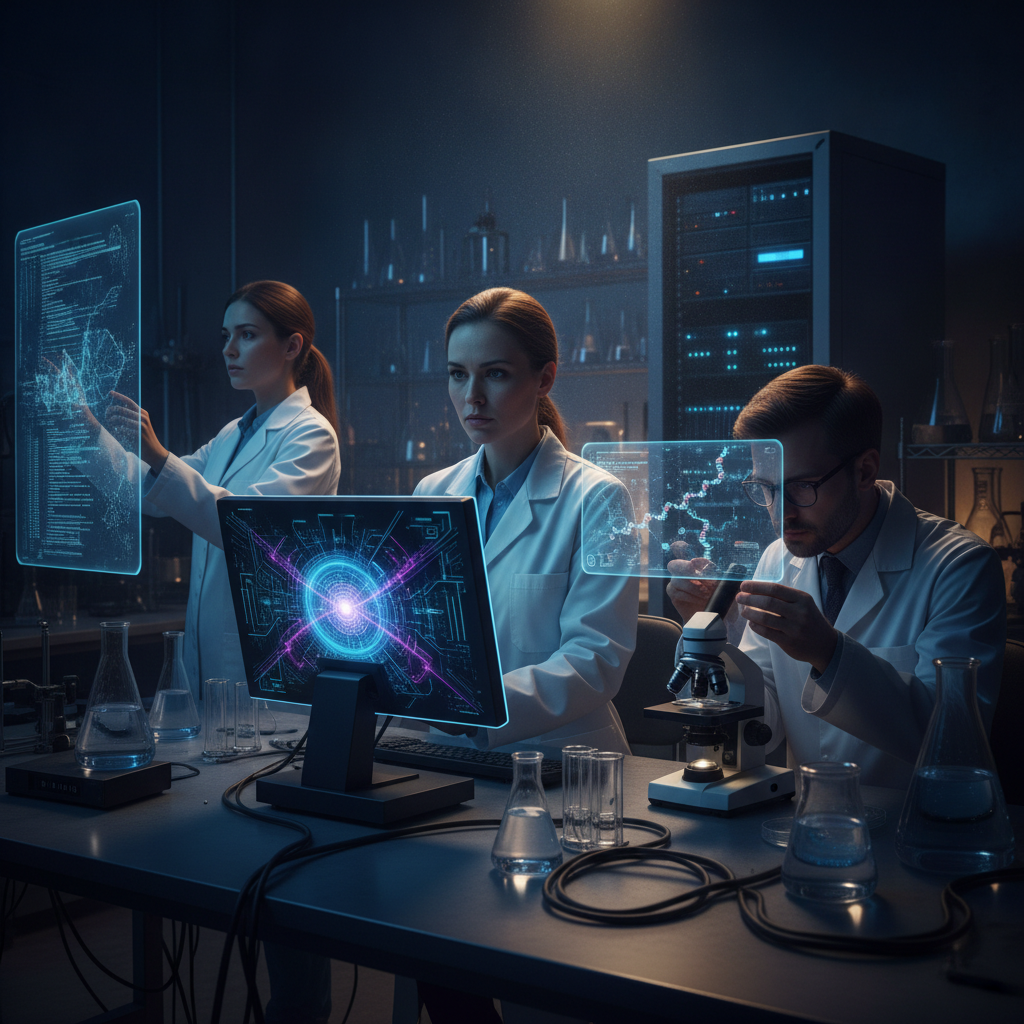
في إنجاز علمي رائد يبرهن على براعة الابتكار، أظهر فريق من الجامعة التقنية بالدنمارك (DTU) بنجاح أن الجمع بين الذكاء الاصطناعي التوليدي والحوسبة الكمومية يمكن أن يعزز بشكل كبير دقة ونطاق نماذج اكتشاف الأدوية. واللافت للنظر أن هذا العمل الرائد، الذي يُعد حاسمًا لتطوير اللقاحات، قد أُنجز باستخدام وقت فراغهم وموارد مالية متبقية من مشاريع أخرى، مما يسلط الضوء على كيف يزدهر الابتكار غالبًا خارج هياكل التمويل التقليدية.
استخدم باحثو الجامعة التقنية بالدنمارك نموذج الذكاء الاصطناعي التوليدي الخاص بهم، المصمم للتنبؤ بالبروتينات، بالاشتراك مع حاسوب كمومي مدمج بحجم الطابعة طورته شركة ORCA Computing البريطانية الناشئة. وقد سمح هذا النهج الهجين، الذي يدمج الآلات الكمومية مع المعالجات التقليدية، للفريق بتوليد ببتيدات جديدة — وهي سلاسل قصيرة من الأحماض الأمينية — قادرة على الارتباط ببروتينات محددة داخل الجسم. وتُعد هذه القدرة خطوة أساسية في إنشاء لقاحات فعالة وعلاجات موجهة. أكدت النتائج التجريبية تفوق النموذج الهجين، حيث أنتج ببتيدات أكثر نجاحًا من نظيراته الكلاسيكية، خاصة في السيناريوهات التي كانت فيها بيانات التدريب نادرة.
قاد البروفيسور تيموثي باتريك جينكينز الفريق في هذا المشروع، حيث عملوا في عطلات نهاية الأسبوع وجمعوا الأموال غير المنفقة، مدفوعين بالاعتقاد بأن "معظم العلوم المبتكرة مخيفة جدًا للمؤسسات". أدرك جينكينز، الذي كان في البداية "متشككًا كبيرًا في الحوسبة الكمومية"، إمكانات هذه التكنولوجيا لسد فجوات البيانات الحرجة. فريقه، الذي يستخدم عادةً البيانات الضخمة والذكاء الاصطناعي لاكتشاف البروتينات للعلاجات المناعية، يواجه غالبًا تحديًا: نقص المعلومات الوراثية المتنوعة عبر الجنس البشري، حيث تركز معظم الأبحاث الطبية تاريخيًا على السكان الغربيين. هذا التباين يجعل من الصعب تطوير ببتيدات فعالة للمجموعات السكانية غير المدروسة في مناطق مثل آسيا وأفريقيا.
كانت الفرضية هي أن دمج حاسوب كمومي في سير عملهم يمكن أن يولد مجموعة أكثر تنوعًا من الببتيدات، خاصة للأهداف ذات البيانات المحدودة، مستلهمين من تأثيرات مماثلة لوحظت في توليد الصور. بينما تُعد العملية المكتشفة حديثًا إثباتًا مهمًا للمفهوم، فمن المسلم به أن الحواسيب الكمومية لا تزال في مراحلها الأولى. أشار طالب الدكتوراه جوناثان فانك من الجامعة التقنية بالدنمارك إلى أن الآلات الكمومية الحالية صغيرة جدًا بحيث لا يمكنها تشغيل نماذج الذكاء الاصطناعي المتطورة والكاملة، مما يعني أن الحواسيب الكلاسيكية لا تزال قادرة على تحقيق نتائج أفضل لبعض المهام المعقدة. علاوة على ذلك، فإن تحديد ببتيد يمكنه الارتباط بجين معين هو مجرد خطوة واحدة في العملية المعقدة لتطوير الأدوية واللقاحات.
على الرغم من هذه القيود الحالية، تمثل الدراسة علامة فارقة حاسمة. أكد ريتشارد موراي، الرئيس التنفيذي لشركة ORCA Computing، أن هذا البحث يوفر تطبيقًا تجاريًا واضحًا وقريب المدى لتكنولوجيا الكم، وهو مجال غالبًا ما يُنظر إليه على أنه مجرد ومستقبل بعيد. تستكشف ORCA بالفعل تطبيقات مماثلة مع عمالقة الصناعة مثل BP للكيمياء وتويوتا لكفاءة التصميم. وبالنظر إلى المستقبل، يخطط فريق الجامعة التقنية بالدنمارك لتوسيع سير عملهم ليشمل نماذج أكثر تقدمًا وبروتينات أكبر. أعرب باتريك جينكينز عن تفاؤله، قائلاً: "كنا بحاجة إلى هذا كطريقة سهلة للتحقق من أن لدينا الآن فرصة لتحقيق تقدم كبير"، خاصة بالنسبة للأمراض المهملة التي تتلقى الحد الأدنى من التمويل البحثي. كما يدرس الفريق استخدام الحوسبة الكمومية لتعزيز طريقة الذكاء الاصطناعي التوليدية لتصميم ترياقات اصطناعية لسموم لدغات الأفاعي، واعدًا بمستقبل حيث يمكن للذكاء الاصطناعي المعزز بالكم أن يتصدى لبعض التحديات الصحية الأكثر إلحاحًا للبشرية.