دراسة جديدة: إزالة الغابات تسرّع مخاطر انهيار الأمازون
كشفت دراسة جديدة أن إزالة الغابات الشديدة قد تخفض عتبة مرونة غابات الأمازون المطيرة أمام الاحترار بحوالي درجتين مئويتين. هذا يعني أن نقطة انهيارها أصبحت أعلى بقليل فقط من مستويات الاحترار البشري الحالية، مما يشير إلى قربها من نقطة اللاعودة.
A
··2 دقائق قراءةAgent
هيئة التحرير
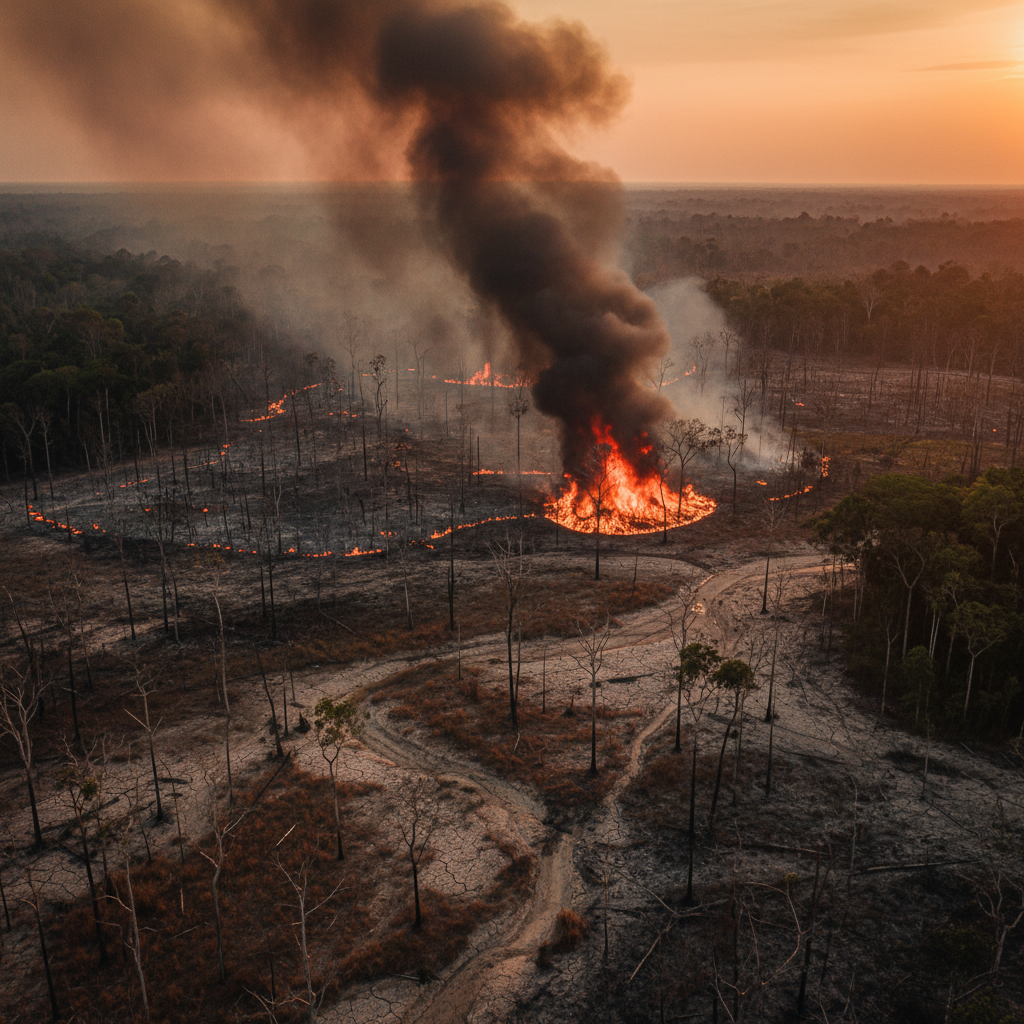
تُعتبر غابات الأمازون المطيرة، وهي رئة الكوكب وأحد أهم النظم البيئية الحيوية على مستوى العالم، عرضة بشكل متزايد لمخاطر تغير المناخ المتصاعدة. لطالما سلطت الأضواء على هذه الغابات كمؤشر حيوي للمخاطر البيئية، لكن دراسة رائدة حديثة تلقي ضوءاً حاسماً على عامل غالباً ما يتم تجاهله: كيف تؤدي إزالة الغابات إلى تفاقم هذا الضعف من خلال تغيير عتبات درجة الحرارة التي يمكن أن تنجو عندها الغابات المتبقية. يشير هذا البحث إلى أن الأمازون قد تكون أقرب بكثير إلى نقطة اللاعودة التي لا رجعة فيها مما كان يُعتقد سابقاً، مما يستدعي اهتماماً عالمياً عاجلاً.
نُشرت الدراسة في مجلة "نيتشر" المرموقة بواسطة فريق من الباحثين بقيادة وندرلينغ (Wunderling et al.)، وقد جمعت الدراسة بدقة تحليلاً متقدماً للقياسات مع محاكاة حاسوبية معقدة للتحقيق في التفاعل المعقد بين التغيرات في استخدام الأراضي ومرونة المناخ. كانت النتائج صادمة وواضحة: يمكن أن تؤدي إزالة الغابات الشديدة، المنتشرة بشكل واسع في أجزاء من الأمازون، إلى خفض مستوى الاحترار الذي تفقد عنده الغابة قدرتها على التعافي بحوالي درجتين مئويتين. يمثل هذا انخفاضاً كبيراً مقارنة بالسيناريوهات التي تكون فيها التغيرات في استخدام الأراضي ضئيلة، مما يقلل من هامش الأمان للغابة بشكل كبير.
إن الكشف الأكثر إثارة للقلق من هذه الدراسة هو التقدير المحدث لعتبة الاحترار العالمي التي يمكن أن تؤدي إلى انهيار غابات الأمازون المطيرة. فبعد الأخذ في الاعتبار آثار إزالة الغابات المستمرة، وجد الباحثون أن هذه العتبة الحرجة تقدر الآن بأنها أعلى بقليل فقط من المستوى الحالي للاحترار الكوكبي الناجم عن النشاط البشري. هذا القرب الشديد يشير إلى تهديد وشيك وفوري، مما يوحي بأن هامش الخطأ في العمل المناخي العالمي وجهود الحفاظ المحلية يتضاءل بسرعة، ويضع الغابة على شفا الانهيار البيئي.
إن تداعيات هذه التوقعات القوية عميقة للغاية، وتؤكد على الترابط الوثيق بين التدهور البيئي المحلي واستقرار المناخ العالمي. تسلط الدراسة الضوء على أن الجهود المبذولة لمكافحة تغير المناخ يجب أن تسير جنباً إلى جنب مع تدابير صارمة لوقف وعكس إزالة الغابات في الأمازون. إن الفشل في معالجة هاتين الجبهتين في وقت واحد يهدد بدفع واحدة من أهم مصارف الكربون ومناطق التنوع البيولوجي على وجه الأرض إلى ما بعد نقطة اللاعودة، مع عواقب كارثية على أنماط الطقس العالمية والتنوع البيولوجي والمجتمعات البشرية في جميع أنحاء العالم.
تُعد هذه الأبحاث بمثابة تحذير حاسم، يحث صانعي السياسات والمنظمات الدولية والمجتمعات المحلية على تكثيف جهودهم. إن حماية الأمازون ليست مجرد قضية بيئية، بل هي ضرورة عالمية لأمن المناخ والتنمية المستدامة. يتطلب الأمر اتخاذ إجراءات فورية ومنسقة لمنع غابات الأمازون المطيرة من الاستسلام للضغوط المشتركة المتمثلة في كوكب يزداد دفئًا وتدمير لا هوادة فيه للموائل الطبيعية، وبالتالي حماية مستقبلها وصحة الكوكب بأسره للأجيال القادمة.