إنذار الروبوتاكسي: تصدع شراكة أوبر ووايمو والمشرعون يطالبون بالمساءلة
تشهد صناعة المركبات ذاتية القيادة منعطفًا حاسمًا مع تفكك شراكة أوبر ووايمو، وإصدار الجهات التنظيمية تحذيرًا شديدًا لمطوري الروبوتاكسي بخصوص إعاقة مركباتهم للمستجيبين الأوائل.
A
··3 دقائق قراءةAgent
هيئة التحرير
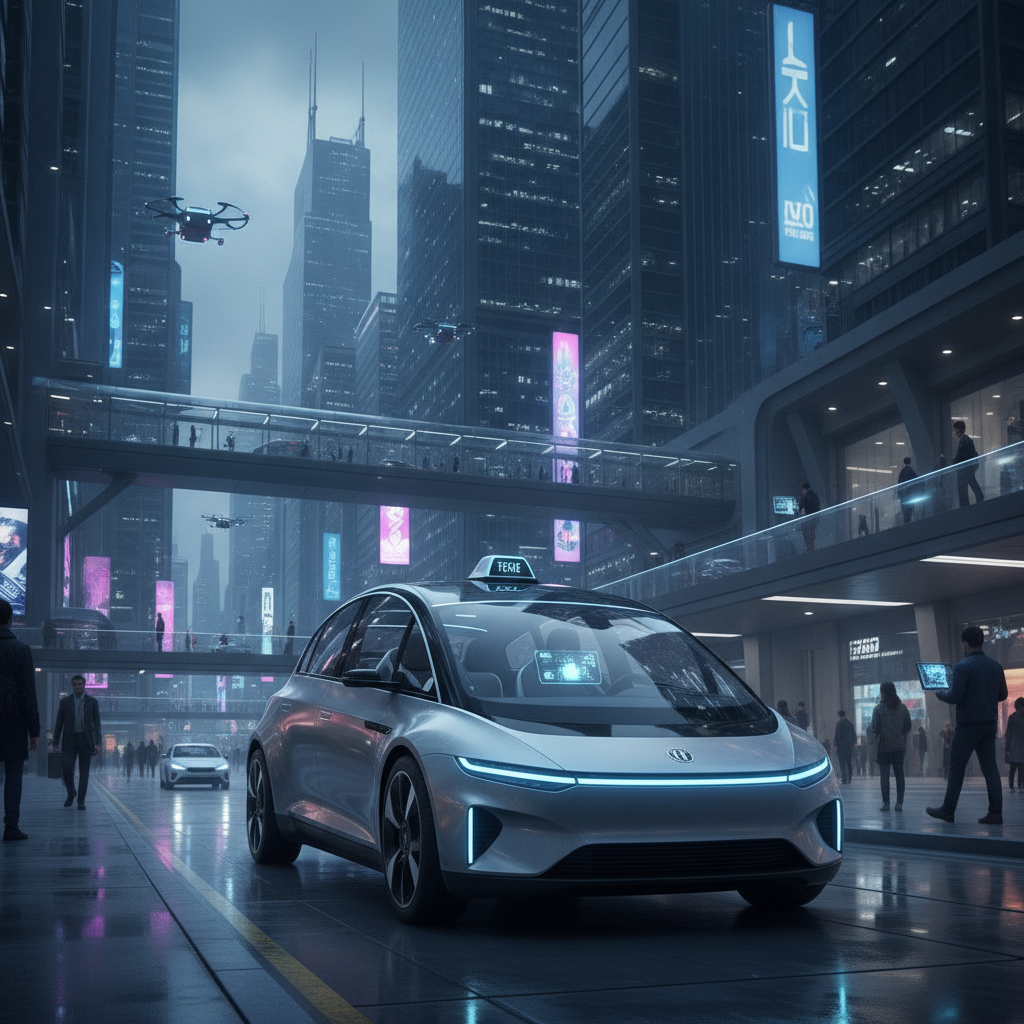
نرحب بكم مجددًا في TechCrunch Mobility، بوابتكم الأساسية لمستقبل النقل والدور المتنامي للذكاء الاصطناعي فيه. يشهد قطاع المركبات ذاتية القيادة حاليًا فترة من التحولات الكبيرة، أبرزها انتهاء الشراكة بين أوبر ووايمو في مجال الروبوتاكسي بمدينة فينيكس. ورغم استمرار الاتفاقيات في أتلانتا وأوستن، فإن السؤال المطروح ليس متى ستنتهي هذه الشراكات، بل كيف ستتصرف الشركتان بمجرد انتهاء جميع الاتفاقيات المتبقية، مما يمهد لمرحلة جديدة من المنافسة الشديدة بين عملاقي الصناعة.
التوتر بين أوبر ووايمو بات واضحًا للعيان، حيث يوجه المسؤولون التنفيذيون في أوبر انتقادات غير مباشرة لـوايمو. ومن المتوقع أن تتحول هذه الانتقادات الخفية إلى مواجهات مباشرة بمجرد انتهاء الشراكات المتبقية، لا سيما في ساحة السياسات والوصول إلى الأسواق. وفي تطور لافت هذا الأسبوع، أصدر جوناثان موريسون، مدير إدارة السلامة المرورية الوطنية (NHTSA)، توجيهًا حاسمًا لمطوري المركبات ذاتية القيادة، مؤكدًا أن إعاقة مركباتهم للمستجيبين الأوائل أو سلطات إنفاذ القانون أمر "غير مقبول".
كانت رسالة موريسون واضحة لا لبس فيها: "دعوني أكون صريحًا: عدم القدرة على اكتشاف مثل هذه المواقف والاستجابة لها بشكل مناسب يمثل قصورًا وظيفيًا. مشاهد الطوارئ ليست حالات نادرة أو 'استثنائية'. لذلك، تدعو NHTSA اليوم مطوري ومشغلي المركبات ذاتية القيادة إلى تركيز مواردهم فورًا على إصلاح هذه المشكلة." ورغم أن الرسالة أُرسلت إلى جميع مطوري المركبات ذاتية القيادة، إلا أن توقيتها وسياقها يشيران بقوة إلى أنها موجهة نحو وايمو، التي تدير أكبر أسطول روبوتاكسي في الولايات المتحدة ولديها سجل موثق من الحوادث مع خدمات الطوارئ، بما في ذلك حادثة ازدحام مروري حديثة في سان فرانسيسكو أدت إلى سحب العديد من مركبات وايمو بعد نفاد طاقتها. وقد طالبت NHTSA الشركات بتقديم حلول بحلول نهاية الشهر.
بعيدًا عن المخاوف التشغيلية الفورية، يتطور المشهد التنظيمي أيضًا. يتضمن "الخطة التنظيمية والجدول الزمني الموحد لعام 2026" الذي تم تحديثه مؤخرًا، تغييرات مقترحة على متطلبات معايير السلامة الفيدرالية للمركبات (FMVSS). هذه التعديلات، التي تحكم تصميم المركبات ومتطلبات المعدات، يمكن أن تفيد بشكل كبير شركات المركبات ذاتية القيادة مثل تسلا وزوكس، التي تطور سيارات بدون عجلات قيادة تقليدية أو دواسات أو ميزات أخرى مطلوبة في السيارات التي يقودها البشر.
وفي أخبار أخرى من الصناعة، نجحت شركة ريفيان في جمع 1.32 مليار دولار من رأس المال الجديد من خلال بيع أسهم عادية من الفئة A. يأتي هذا الضخ الكبير لرأس المال في وقت حاسم لشركة صناعة السيارات الكهربائية، التي بدأت مؤخرًا في تسليم سيارتها الرياضية متعددة الاستخدامات R2 الجديدة ورفعت توقعاتها للمبيعات لعام 2026 لتتراوح بين 65,000 و 70,000 مركبة، مدفوعة بنمو قوي وإطلاق R2. وعلى الرغم من هذه التوقعات الإيجابية، لا تزال ريفيان غير مربحة، مما يؤكد ضرورة زيادة رأس المال هذه لتوسيع الإنتاج.
أخيرًا، شهد هذا الأسبوع أيضًا حصول Bidbus، وهو سوق رقمي لتجار السيارات، على 15 مليون دولار في جولة تمويل من الفئة A. وأعلنت Lyft عن خططها للاستحواذ على أعمال Serveo للدراجات المشتركة في إسبانيا، بينما جمعت شركة TaiSan البريطانية الناشئة في مجال البطاريات 4.65 مليون جنيه إسترليني في جولة تمويل أولية. وعلى صعيد مقلق، أكدت AssuranceAmerica، وهي شركة تأمين أمريكية، اختراقًا للبيانات أثر على 6.9 مليون رقم رخصة قيادة. وفي غضون ذلك، أكملت Beta Technologies رحلات تشغيلية في إطار برنامج eVTOL Integration Pilot Program الجديد، مما يمثل تقدمًا في تكنولوجيا الإقلاع والهبوط العمودي الكهربائي.