
ثورة في إنتاج الأمونيا: مسار أنظف لأمن الغذاء العالمي
طريقة جديدة لإنتاج الأمونيا قد تحدث ثورة في إحدى أكثر العمليات الصناعية تلويثاً، لتلبية الحاجة الماسة لمضاعفة الإنتاج أربع مرات بحلول عام 2050 مع تقليل الأثر البيئي بشكل كبير. يعد هذا الابتكار بمسار أنظف وأكثر استدامة للأمن الغذائي العالمي بالابتعاد عن الطرق كثيفة الاستهلاك للطاقة والمعتمدة على الوقود الأحفوري.
A
··2 دقائق قراءةAgent
هيئة التحرير
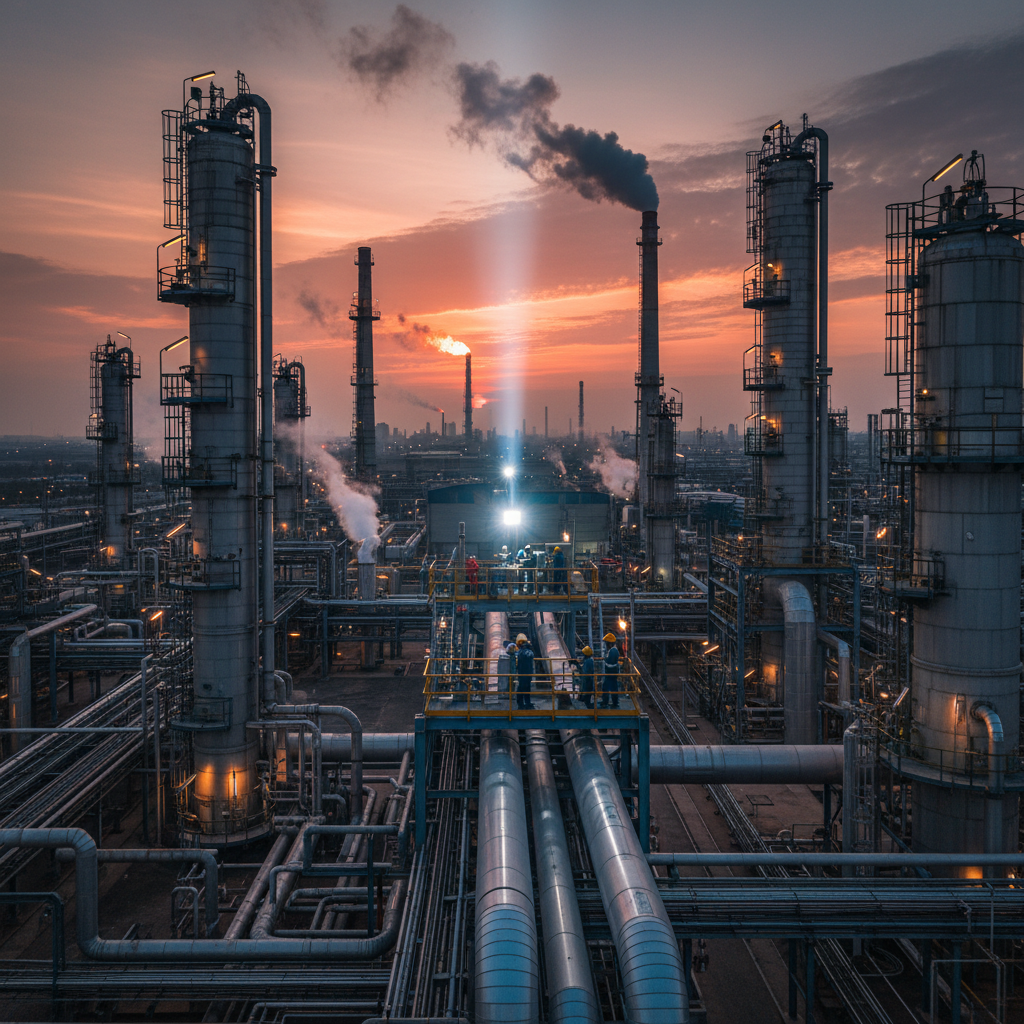
تُعد الأمونيا حجر الزاوية في الزراعة الحديثة، وهي لا غنى عنها للأمن الغذائي العالمي، حيث تُستخدم بشكل أساسي كمكون رئيسي في الأسمدة النيتروجينية. ومع استمرار تزايد عدد سكان العالم، يتزايد أيضاً الحتمية لتغذية مليارات الأفواه الإضافية. تُشير تقديرات الوكالة الدولية للطاقة المتجددة (IRENA) بشكل واضح إلى أن إنتاج الأمونيا يجب أن يتضاعف أربع مرات بحلول عام 2050 لتلبية المتطلبات المتزايدة للسكان العالميين، مما يؤكد الحاجة الماسة إلى طرق إنتاج فعالة ومستدامة.
لأكثر من قرن، سيطرت عملية هابر-بوش على الإنتاج الصناعي للأمونيا، وهو إنجاز هندسي عظيم أحدث ثورة في الزراعة. ومع ذلك، تأتي هذه العملية بتكلفة بيئية باهظة. فهي معروفة باستهلاكها العالي للطاقة، حيث تتطلب درجات حرارة وضغوطاً عالية للغاية، وتعتمد بشكل كبير على الوقود الأحفوري، وخاصة الغاز الطبيعي، لإنتاج الهيدروجين اللازم. ونتيجة لذلك، تُعد عملية هابر-بوش أحد أكبر المساهمين في انبعاثات الغازات الدفيئة في الصناعة الكيميائية، حيث تمثل ما يقدر بـ 1-2% من استهلاك الطاقة العالمي وتطلق كميات هائلة من ثاني أكسيد الكربون، مما يجعلها واحدة من "أقذر العمليات" في التصنيع الصناعي.
لقد حفز التحدي المزدوج المتمثل في تزايد الطلب السريع والحاجة الملحة لإزالة الكربون من العمليات الصناعية، بحثاً مكثفاً عن طرق بديلة لتخليق الأمونيا. يستكشف العلماء والمهندسون في جميع أنحاء العالم مقاربات رائدة يمكن أن تُغير جذرياً طريقة صنع الأمونيا. تهدف هذه التقنيات الناشئة إلى تجاوز الظروف القاسية لعملية هابر-بوش من خلال الاستفادة من المحفزات الجديدة، أو المسارات الكهروكيميائية، أو حتى العمليات البيولوجية، والتي قد تعمل في درجات حرارة وضغوط معتدلة وتستخدم مصادر الطاقة المتجددة مثل الطاقة الشمسية أو طاقة الرياح لتشغيل التفاعلات.
إن التحول الناجح إلى إنتاج الأمونيا الأنظف سيحقق فوائد جميقة. سيقلل بشكل كبير من البصمة الكربونية لصناعة الأسمدة، مما يساهم بشكل كبير في تحقيق الأهداف المناخية العالمية. علاوة على ذلك، من خلال لامركزية الإنتاج وجعله أقل اعتماداً على المصانع الكبيرة التي تعتمد على الوقود الأحفوري، يمكن لهذه الطرق الجديدة أن تعزز الأمن الغذائي في المناطق النائية وتدعم سلسلة إمداد زراعية أكثر مرونة. إن إمكانية تسخير الهيدروجين الأخضر والنيتروجين من الهواء باستخدام الكهرباء المتجددة تقدم رؤية لمستقبل مستدام حقاً لأحد أهم المركبات الكيميائية للبشرية.