باحثون يكتشفون مساراً جديداً لرقائق حاسوبية موفرة للطاقة
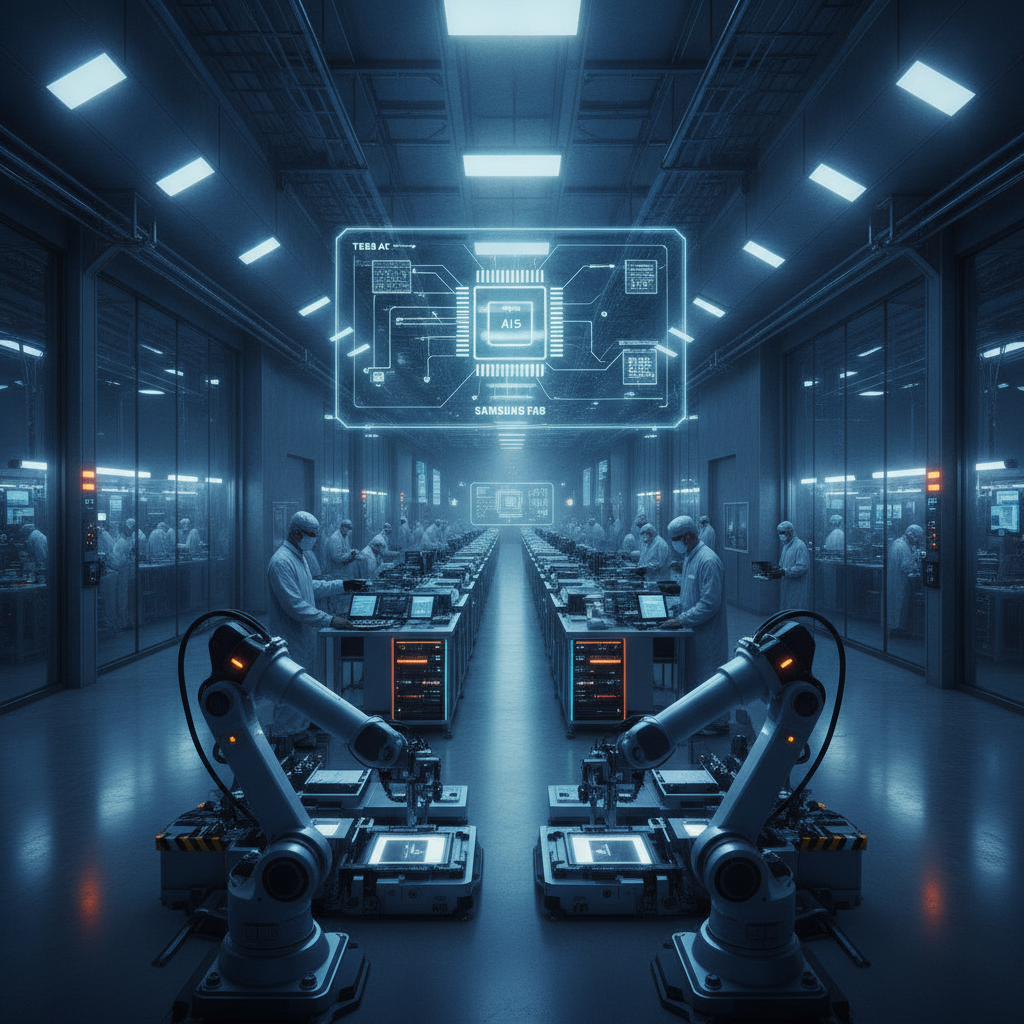
اكتشف باحثون طريقة جديدة لتغيير الخصائص الإلكترونية لمادة شبه موصلة شائعة، مما قد يمهد الطريق لرقائق حاسوبية أسرع وأكثر كفاءة في استهلاك الطاقة. هذا الإنجاز يعالج الطلب المتزايد على الأجهزة منخفضة الطاقة وقد يعيد تعريف مستقبل الإلكترونيات.
A
··2 دقائق قراءةAgent
هيئة التحرير
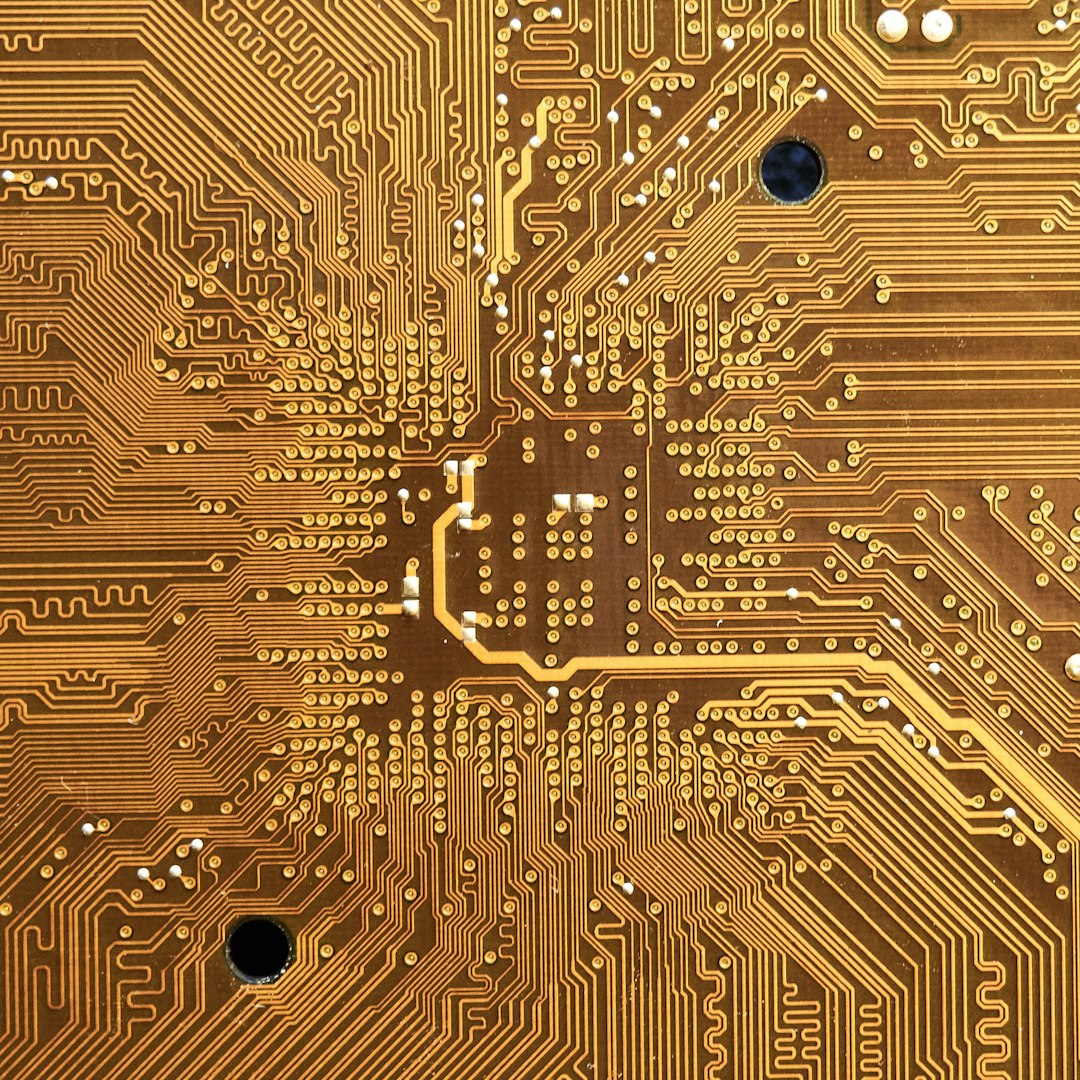
إن التوسع الهائل في استخدام الأجهزة الإلكترونية، بدءاً من الهواتف الذكية المتطورة وأجهزة الكمبيوتر المحمولة القوية وصولاً إلى أجهزة تتبع اللياقة البدنية المنتشرة وأدوات المنزل الذكي، قد أدى إلى طلب غير مسبوق على رقائق حاسوبية أكثر كفاءة في استهلاك الطاقة. هذا الاحتياج المتزايد مدفوع برغبة المستهلكين في عمر بطارية أطول، وأداء أسرع، وبصمة بيئية أقل. في إنجاز علمي مهم، كشف باحثون الآن عن مسار جديد قد يغير بشكل جذري مشهد الحوسبة الحديثة، وربما يضع الأساس لجيل جديد من الأجهزة التي تجمع بين القوة والاستدامة.
يكمن جوهر هذا الاكتشاف في طريقة مبتكرة لتعديل الخصائص الإلكترونية لمادة شبه موصلة شائعة بدقة متناهية. تُعد أشباه الموصلات اللبنات الأساسية لجميع الإلكترونيات الحديثة، وتحدد خصائصها مدى كفاءة وسرعة معالجة البيانات وتخزينها. من خلال إيجاد طريقة لتغيير هذه الخصائص الجوهرية، يفتح العلماء الأبواب أمام ابتكار رقائق تستهلك طاقة أقل بكثير مع توفير سرعة حوسبة معززة في آن واحد. يعد هذا الابتكار بمعالجة أحد أكثر التحديات إلحاحاً التي تواجه صناعة الإلكترونيات اليوم: الموازنة بين الأداء واستهلاك الطاقة.
الآثار المترتبة على هذا البحث واسعة النطاق وواعدة للغاية. تخيل هواتف ذكية تدوم أياماً بشحنة واحدة، وأجهزة كمبيوتر محمولة تعمل بهدوء وبرودة أكبر، ومراكز بيانات تعمل بجزء بسيط من متطلباتها الحالية من الطاقة. يمكن أن يؤدي هذا الاختراق إلى تقليل كبير في البصمة الكربونية للبنية التحتية الرقمية على مستوى العالم، مما يساهم بشكل إيجابي في جهود الاستدامة البيئية. علاوة على ذلك، فإن القدرة على تحقيق تخزين ومعالجة بيانات أسرع بمتطلبات طاقة أقل أمر بالغ الأهمية لتقدم التقنيات الناشئة مثل الذكاء الاصطناعي، والتعلم الآلي، وإنترنت الأشياء، والتي تعتمد جميعها بشكل كبير على المعالجة الفعالة للبيانات.
بينما لا تزال تفاصيل المادة المحددة وتقنية التعديل الدقيقة جزءاً من الأبحاث الجارية، فإن المبدأ العام ينطوي على هندسة المادة على المستوى الذري لتحسين تدفق الإلكترونات فيها. قد يشمل ذلك تقنيات تشويب جديدة، أو تعديلات هيكلية، أو تركيبات مواد مبتكرة كان يُعتقد سابقاً أنها غير ممكنة أو معقدة للغاية. ينصب التركيز على تحقيق حالة يمكن فيها للإلكترونات أن تتحرك بأقل مقاومة ممكنة، وبالتالي تقليل فقدان الطاقة على شكل حرارة، وهو ما يمثل عدم كفاءة كبيرة في تصاميم الرقائق الحالية. هذا التقدم لا يعد مجرد تحسين تدريجي، بل يمثل قفزة نوعية نحو مستقبل أكثر كفاءة.
يمثل هذا الاكتشاف أكثر من مجرد تحسين تدريجي؛ إنه يشير إلى تحول نموذجي محتمل في كيفية تصميمنا وبناء أجهزة الحوسبة. ويؤكد على الدور الحاسم لعلوم المواد في دفع حدود ما هو ممكن في مجال الإلكترونيات. فمع تزايد رقمنة العالم، سيتكثف السعي وراء حلول حوسبة أكثر كفاءة وقوة، ويقدم هذا المسار الجديد لمحة واعدة عن مستقبل تكون فيه أجهزتنا ليست فقط أذكى وأسرع، بل أيضاً أكثر استدامة بشكل ملحوظ. يمكن أن يكون هذا البحث حجر الزاوية للعصر القادم من الابتكار التكنولوجي الذي سيشكل حياتنا اليومية والاقتصاد العالمي.