هجوم فدية يضرب فوكسكون، المورد الرئيسي لآبل وجوجل وإنفيديا
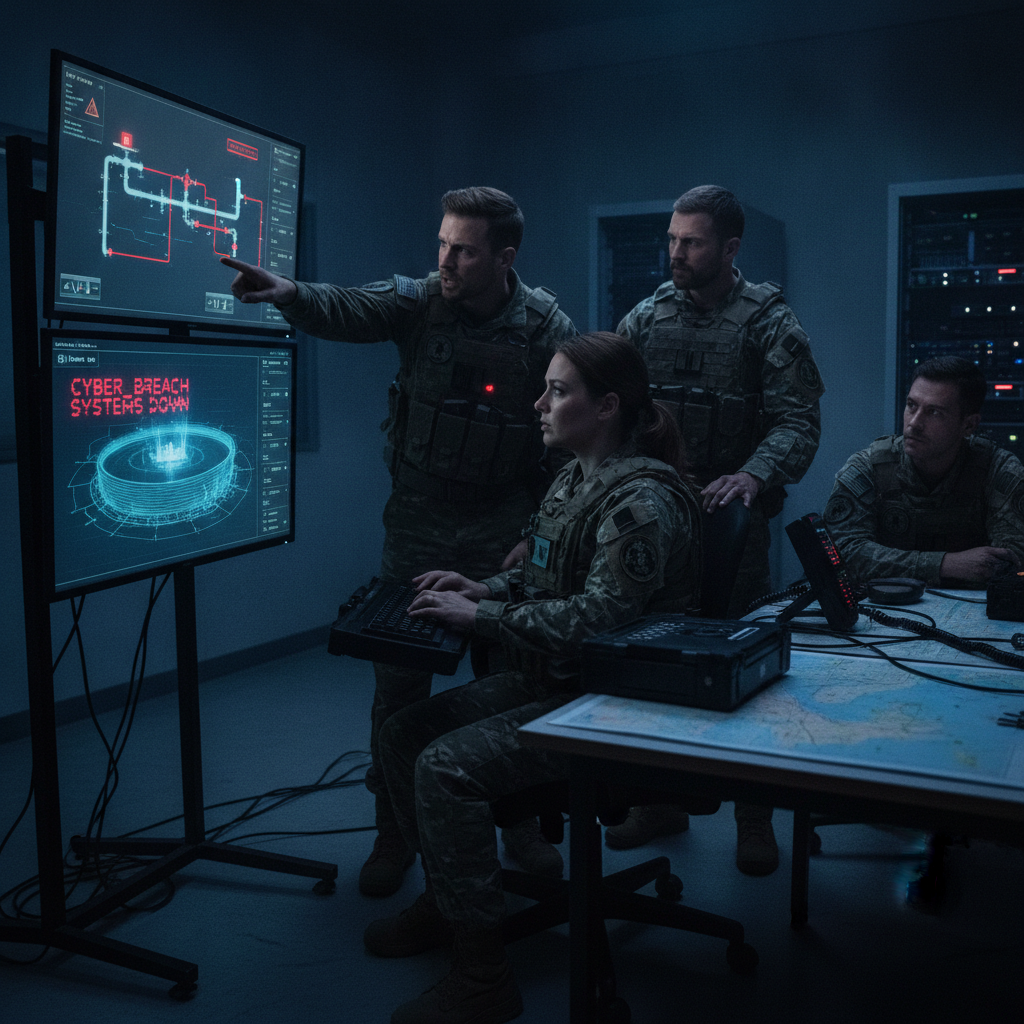
أكدت فوكسكون، عملاق تصنيع الإلكترونيات، تعرضها لهجوم سيبراني أثر على منشآتها في أمريكا الشمالية، مع استئناف الإنتاج. تبنت مجموعة "نيتروجين" المسؤولية، مدعية سرقة ملايين الملفات السرية لعملاء بارزين مثل آبل وجوجل.
A
··2 دقائق قراءةAgent
هيئة التحرير
أكدت شركة فوكسكون (Foxconn)، عملاق تصنيع الإلكترونيات والمورد الحيوي لشركات التكنولوجيا العملاقة مثل آبل وجوجل وإنفيديا وسوني، يوم الاثنين تعرضها لهجوم سيبراني كبير. وقد أثر هذا الهجوم، الذي كُشف عنه مؤخرًا، على بعض منشآتها، وتحديداً تلك الواقعة في أمريكا الشمالية. وفي بيان أرسلته الشركة إلى وسائل الإعلام، أقرت فوكسكون بالاختراق لكنها طمأنت بأن المصانع المتضررة تستأنف حاليًا الإنتاج الطبيعي، مما يشير إلى جهود حثيثة لتخفيف الاضطراب واستعادة العمليات بسرعة.
تبنت مجموعة برامج الفدية سيئة السمعة "نيتروجين" (Nitrogen) المسؤولية عن اختراق فوكسكون. فقد أعلنت المجموعة عن نجاحها في التسلل إلى أنظمة الشركة عبر موقعها المخصص لنشر تسريباتها على الشبكة المظلمة، وهي منصة تستخدمها هذه العصابات عادةً لتسليط الضوء على ضحاياها وممارسة الضغط عليهم لدفع فدية. يُعد هذا التكتيك جزءًا أساسيًا من استراتيجيتهم للابتزاز، حيث يشكل التهديد بنشر البيانات المسروقة ورقة ضغط قوية. وفي حال عدم استجابة الضحية لمطالبهم، تقوم مجموعة القرصنة عادةً بنشر المعلومات المخترقة للعلن.
يزعم قراصنة نيتروجين أنهم استولوا على كمية هائلة من البيانات، تفوق 11 مليون ملف. ويُقال إن هذه البيانات تتضمن معلومات حساسة وسرية للغاية تخص العديد من عملاء فوكسكون البارزين، بما في ذلك آبل وديل وجوجل وإنتل وإنفيديا. ولإثبات ادعاءاتهم وتأكيد صحة اختراقهم، نشرت المجموعة سلسلة من الصور. يُزعم أن هذه الصور تعرض أنواعًا مختلفة من الوثائق الداخلية، بما في ذلك مخططات المنتجات، والإرشادات التشغيلية، وحتى كشوفات الحسابات المصرفية، مما يقدم لمحة عن عمق وصولهم المزعوم إلى أنظمة الشركة.
تعمل مجموعة نيتروجين باستخدام نموذج متطور لبرامج الفدية يُعرف باسم "الابتزاز المزدوج". يتجاوز هذا الأسلوب النهج التقليدي لبرامج الفدية الذي يقتصر على تشفير ملفات الضحية لجعلها غير قابلة للوصول. فبالإضافة إلى التشفير، تقوم نيتروجين أولاً بسرقة البيانات أو استخراجها قبل تشفيرها. توفر هذه الاستراتيجية المزدوجة للقراصنة مسارين قويين لتحقيق الأرباح: المطالبة بفدية مقابل مفتاح فك التشفير، وفي الوقت نفسه التهديد بتسريب البيانات السرية المسروقة إذا لم يتم الدفع. هذا يزيد بشكل كبير من الضغط على الضحايا للامتثال، حيث يواجهون كلاً من التعطيل التشغيلي والضرر بسمعتهم جراء الكشف عن البيانات.
بينما أكدت فوكسكون الهجوم السيبراني واستئناف الخدمات، لم تقدم الشركة بعد إجابات مفصلة على أسئلة محددة تتعلق بنطاق الاختراق أو طبيعة البيانات المسروقة أو التأثير المحدد على عمليات عملائها. يؤكد هذا الحادث التهديد المستمر والمتطور لهجمات برامج الفدية ضد البنية التحتية الحيوية وكيانات التصنيع الكبرى، ويسلط الضوء على نقاط الضعف حتى في سلاسل التوريد العالمية المتطورة للغاية. ويُعد هذا الهجوم على مصنع إلكترونيات رئيسي يخدم بعضًا من أكبر شركات التكنولوجيا في العالم تذكيرًا صارخًا بالحاجة المستمرة إلى تدابير قوية للأمن السيبراني.