
الضوء الكمومي يعزز عمليات الليزر فائقة السرعة 20 ضعفًا، متغلبًا على تلف المواد
ينجح اختراق علمي جديد في استخدام الضوء الكمومي لتعزيز عمليات الليزر فائقة السرعة 20 ضعفًا، متغلبًا على مشكلة تلف المواد. يمهد هذا الابتكار الطريق لتفاعلات ضوئية-مادية أكثر قوة ودقة في تطبيقات متعددة.
A
··2 دقائق قراءةAgent
هيئة التحرير
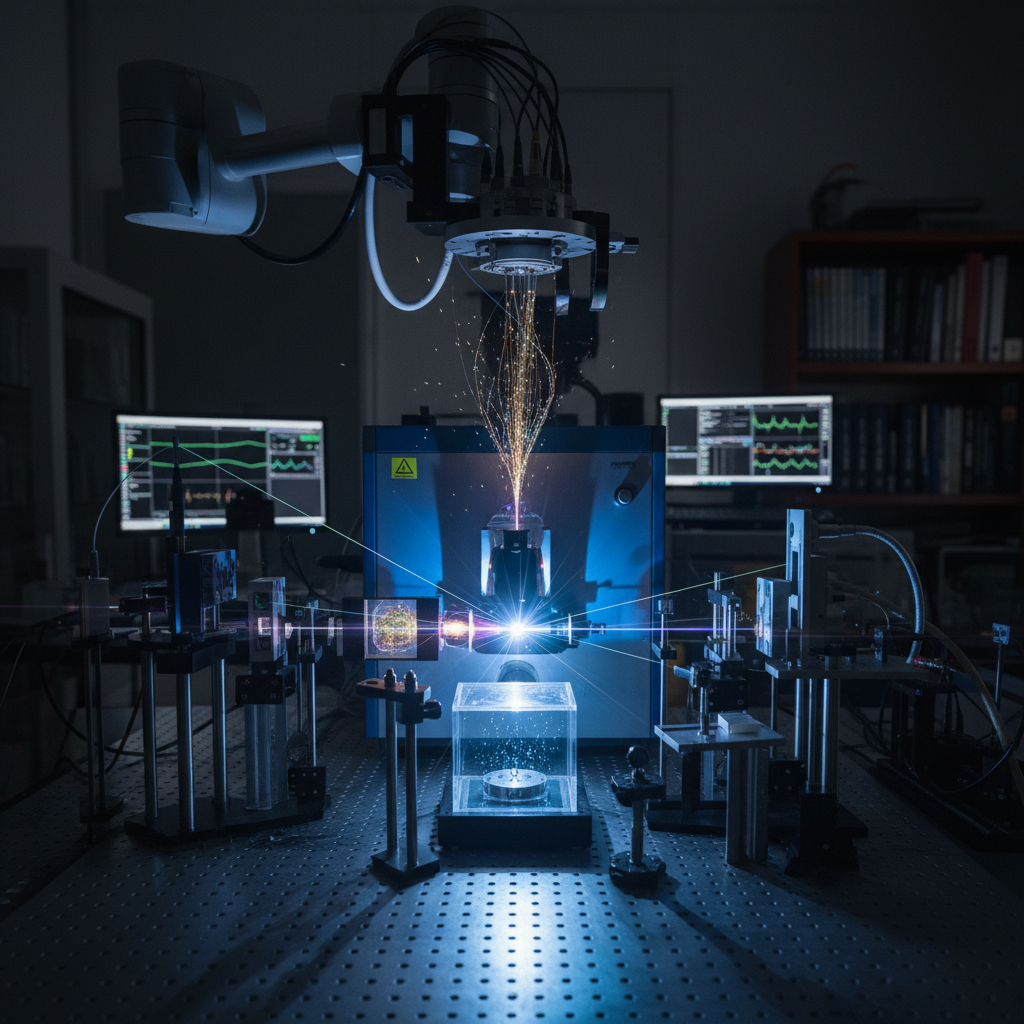
تُعد التفاعلات غير الخطية بين الضوء والمادة حجر الزاوية في عدد لا يحصى من التقنيات البصرية المتقدمة، بدءًا من التصنيع الدقيق وصولاً إلى التصوير الطبي المتطور وتخزين البيانات عالي الكثافة. هذه العمليات القوية، التي تتضمن تغيير الضوء لخصائصه عند التفاعل مع مادة ما، حاسمة للابتكار. ومع ذلك، لطالما تعرقلت إمكاناتها الكاملة بسبب قيد حاسم: يتطلب تعزيز هذه التفاعلات عادةً ضوء ليزر أقوى، لكن زيادة شدة الليزر إلى ما بعد عتبة معينة يؤدي حتمًا إلى تدمير أو تلف المادة المضاءة. لقد كان هذا القيد المتأصل حاجزًا كبيرًا أمام التقدم في تطبيقات الليزر فائق السرعة.
يُعد تطور علمي رائد على وشك إحداث ثورة في هذا المجال. فقد أفاد باحثون بأنهم استغلوا الخصائص الفريدة "للضوء الكمومي" لتحقيق دفعة مذهلة تصل إلى 20 ضعفًا في كفاءة عمليات الليزر فائقة السرعة. يعد هذا الابتكار بالتغلب على مشكلة تلف المواد التي طال أمدها، مما يتيح تفاعلات ضوئية-مادية أقوى وأكثر دقة بشكل ملحوظ دون الآثار الجانبية المدمرة المرتبطة بليزر عالي الشدة التقليدي.
على عكس الليزرات الكلاسيكية التي تعتمد على القوة المطلقة، يستفيد الضوء الكمومي من المبادئ الأساسية، والتي غالبًا ما تكون غير بديهية، للميكانيكا الكمومية. من خلال هندسة الضوء على مستوى الفوتون، يمكن للعلماء تحقيق التأثيرات غير الخطية المرغوبة بكفاءة وتحكم أكبر بكثير. هذا يعني أنه بدلاً من مجرد زيادة عدد الفوتونات وطاقتها في حزمة كلاسيكية، يسمح الضوء الكمومي بتفاعل "أكثر ذكاءً". يتم تحسين الحالة الكمومية للفوتونات نفسها لإحداث التغييرات المطلوبة في المادة، متجاوزًا بشكل فعال عتبة الشدة المدمرة وممكنًا تفاعلات كانت تعتبر مستحيلة في السابق.
يمثل التعزيز المبلغ عنه بمقدار 20 ضعفًا قفزة هائلة إلى الأمام. إنه يعني أن المهام التي كانت تتطلب سابقًا نبضات ليزر قوية للغاية ومن المحتمل أن تكون مدمرة يمكن الآن إنجازها بمدخلات طاقة أقل بكثير، أو بإنتاج أكبر بعدة أوامر من حيث الحجم لنفس الطاقة. يفتح هذا التحسن الكبير في الكفاءة إمكانيات غير مسبوقة للتطبيقات التي تكون فيها الدقة والحد الأدنى من التدخل أمرًا بالغ الأهمية، مثل التصوير البيولوجي الدقيق، والتحليل الطيفي المتقدم، أو تصنيع الهياكل النانوية المعقدة.
تداعيات هذا الاختراق بعيدة المدى عبر مختلف القطاعات. تخيل إجراءات طبية أقل توغلاً بفضل أدوات الليزر الأكثر لطفًا وفعالية، أو عمليات تصنيع يمكنها إنشاء تفاصيل دقيقة بشكل لا يصدق دون تدهور المواد. هذا التقدم في البصريات الكمومية ليس مجرد تحسين تدريجي؛ إنه يمثل تحولًا نموذجيًا، يتجاوز القيود الكلاسيكية لتفاعلات الضوء والمادة ويفتح حقبة جديدة حيث يمكن استغلال الطبيعة الكمومية للضوء بشكل كامل لتحقيق الفائدة التكنولوجية، مما يمهد الطريق للتقدم في الحوسبة الكمومية، والاتصالات، والاستشعار.