التشويش الكمومي: مفتاح فك ألغاز السببية وأمن المستقبل
يستكشف الباحثون ظاهرة "التشويش الكمومي"، التي قد تقوض التشفير الكمومي المستقبلي، لكنها في الوقت نفسه توفر منظورًا فريدًا لفهم ألغاز السببية وميكانيكا الكم الأساسية. يهدف هذا البحث العميق إلى بناء بروتوكولات اتصالات فائقة الأمان استنادًا إلى مبادئ تتجاوز النظرية الكمومية الحالية.
A
··3 دقائق قراءةAgent
هيئة التحرير
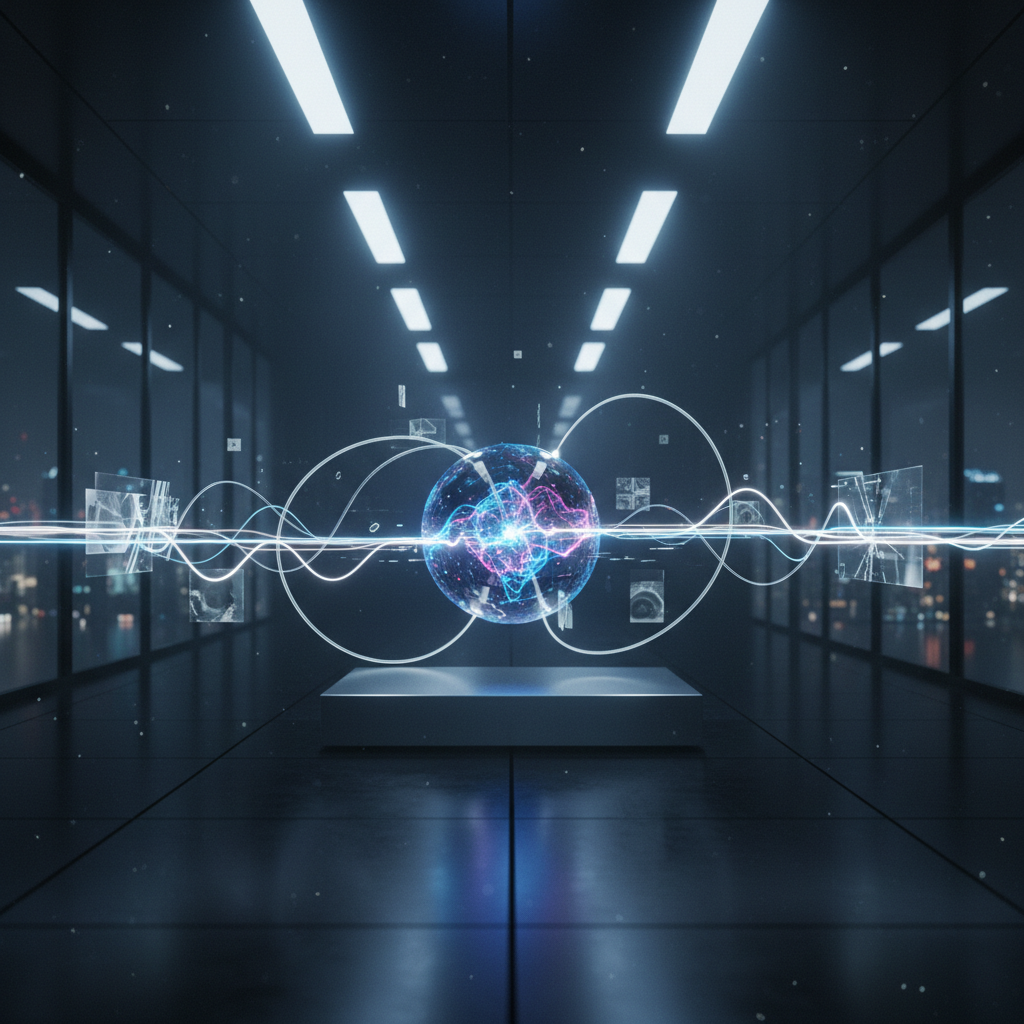
على مدى العقود الماضية، دفع التهديد الوشيك الذي تشكله الحواسيب الكمومية لأنظمة التشفير الحالية إلى أبحاث مكثفة لتطوير رموز جديدة آمنة كموميًا. وفي الوقت نفسه، قدمت ميكانيكا الكم نفسها طرقًا مبتكرة لتأمين الاتصالات، مثل توزيع المفتاح الكمومي (QKD). ومع ذلك، يظل هناك سؤال جوهري: ماذا لو تم تجاوز ميكانيكا الكم في نهاية المطاف بنظرية طبيعية أكثر شمولاً، تمامًا كما حلت هي محل فيزياء نيوتن قبل قرن من الزمان؟ هذا المنظور "المرتاب"، كما يصفه منظرو المعلومات الكمومية، يستلزم تقليل الافتراضات وراء بروتوكولات الأمان، استعدادًا لمستقبل قد لا تكون فيه ميكانيكا الكم هي الحقيقة المطلقة.
وللحماية من احتمال أن تكون بروتوكولات الأمان مبنية على افتراضات خاطئة، يتعمق بعض خبراء التشفير الكمومي في البحث عن مبادئ أكثر جوهرية للبناء عليها، وتحديداً مفهوم السببية. على سبيل المثال، يستفيد توزيع المفتاح الكمومي (QKD) من ظاهرة التشابك الكمومي، حيث يرتبط جسيمان بشكل لا ينفصم، ويتقاسمان خصائص معينة مثل الدوران. يكمن جانب حاسم في أمان QKD في مبدأ "أحادية التشابك"، الذي يعني أن أي محاولة للتدخل في الجسيمات المتشابكة لسرقة المفتاح ستؤدي حتمًا إلى تدمير التشابك، وبالتالي الكشف عن أي محاولة اختراق. هذا المبدأ هو حجر الزاوية في ضمان عدم إمكانية التلاعب بالرسائل المشفرة كموميًا دون ترك أثر.
ولكن ماذا لو انهار مبدأ أحادية التشابك هذا؟ هنا يبرز مفهوم "التشويش الكمومي". فإذا تمكن خصم من تغيير التشابك بين الجسيمات بمهارة دون ترك أي أثر، خاصة إذا كان الطرفان المتصلان لا يملكان سيطرة كاملة على أجهزتهما، فإن أمن الاتصالات الكمومية سيتعرض للخطر. لقد اكتسبت دراسة التشويش الكمومي اهتمامًا كبيرًا في السنوات الأخيرة، ليس فقط كنقطة ضعف محتملة، بل كأداة قوية للعلماء لفهم ميكانيكا الكم وطبيعة السبب والنتيجة بشكل أفضل. يتساءل الباحثون عما إذا كانت هناك مبادئ عميقة تمنع التشويش تمامًا، أم أنه يمكن أن يحدث في العالم الحقيقي، وما هي تداعياته على فهمنا للواقع.
لتوضيح هذه الفكرة المعقدة، يستخدم الفيزيائي النظري ميخال إكشتاين تشبيهًا جذابًا يضم أليس وبوب وساحرًا يُدعى جيم المشوش. تخيل أن أليس وبوب يحصلان على صندوقين، يحتوي كل منهما على إحدى كرتين متشابكتين – إحداهما بيضاء والأخرى سوداء، ودائمًا ما تكونان متضادتين في اللون. يسافران بعيدًا عن بعضهما، وقبل أن يفتحا صندوقيهما، يقوم جيم بحيلة. في البداية، لا يلاحظ أي من أليس أو بوب أي خطأ؛ يجد كل منهما كرة بأحد اللونين. ومع ذلك، عند لم شملهما ومقارنة ملاحظاتهما، يكتشفان تدخل جيم: الكرتان، اللتان كان من المفترض أن تكونا متضادتين، أصبحتا الآن بنفس اللون. لقد غير جيم بمهارة طبيعة تشابكهما من التضاد إلى التطابق التام، دون أي اكتشاف محلي أثناء العملية.
بينما تبسط قصة إكشتاين المفهوم، فإن التشويش الكمومي في العالم الحقيقي أكثر تعقيدًا بكثير. استكشفت الأبحاث المبكرة لهذه الظاهرة في منتصف التسعينيات من قبل جاكوب غرونهاوس وساندو بوبيسكو ودانيال رورليش إلى أي مدى يمكن أن تتجاوز النظرية قواعد ميكانيكا الكم مع الالتزام بمبدأ أينشتاين الأساسي "عدم الإشارة". هذا المبدأ، الذي ينص على أن المعلومات لا يمكن أن تنتقل أسرع من سرعة الضوء، أمر بالغ الأهمية للحفاظ على مفهوم السبب والنتيجة نفسه. يعتبر الفيزيائيون مبدأ عدم الإشارة افتراضًا أساسيًا عند استكشاف النظريات التي تتجاوز ميكانيكا الكم، وقد تم تصور التشويش ضمن هذا الإطار كشكل من أشكال "التشابك الفائق" القادر على التدخل في الجسيمات المتشابكة.
إن فهم التشويش الكمومي لا يتعلق فقط بتأمين الاتصالات المستقبلية ضد التهديدات المحتملة، بل يمثل نافذة على استكشاف أعمق أسس الواقع والسببية نفسها. من خلال دراسة هذه الظاهرة الغامضة، يأمل العلماء في كشف النقاب عن المبادئ الكونية التي تحكم طبيعة الكون، وربما بناء إطار نظري جديد يتجاوز ميكانيكا الكم، مما يضمن أمانًا لا يتزعزع حتى في ظل اكتشافات علمية مستقبلية قد تغير فهمنا للفيزياء الأساسية. هذا البحث هو رحلة نحو فهم أعمق للكون وكيفية حماية معلوماتنا فيه.