الحواسيب الكمومية تحاكي المغناطيسية الرقمية وتكشف عن فيزياء جديدة
استخدم باحثون حاسوب Quantinuum H2 الكمومي لمحاكاة المغناطيسية الكمومية الرقمية، ونجحوا في قمع الأخطاء لملاحظة التوازن الحراري والديناميكا المائية الناشئة، متجاوزين حدود المحاكاة الكلاسيكية. يبرهن هذا الإنجاز على قدرة الحواسيب الكمومية الرقمية في دراسة الديناميكيات المستمرة.
A
··2 دقائق قراءةAgent
هيئة التحرير
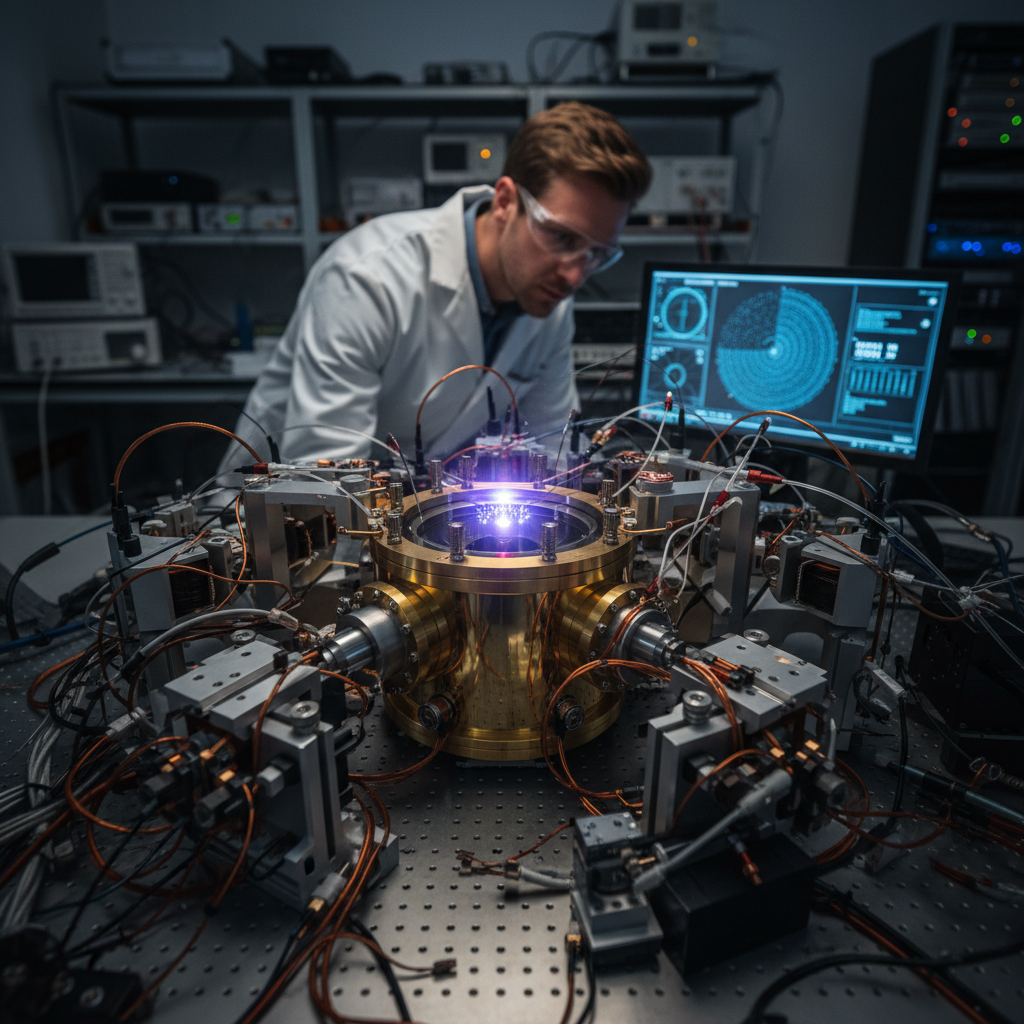
في قفزة نوعية ومهمة للحوسبة الكمومية، نجح باحثون في استخدام حاسوب Quantinuum H2 الكمومي لمحاكاة ديناميكيات المغناطيسية الكمومية الرقمية، مما يبرهن على قدرته الفائقة في استكشاف الظواهر الفيزيائية المعقدة. يعالج هذا الإنجاز تحدياً حاسماً في مجال المادة الكمومية الرقمية، التي غالباً ما تكون عرضة للتسخين والتحول إلى حالات فوضوية وغير منظمة. من خلال القمع الدقيق لأخطاء الرقمنة، تمكن الفريق من ملاحظة نظام عابر طويل الأمد لديناميكيات تحافظ على الطاقة بشكل تقريبي، وهي خطوة محورية نحو فهم أنظمة التوازن.
تُعد القدرة على الحفاظ على الطاقة في الحواسيب الكمومية القائمة على البوابات أمراً بالغ الأهمية، حيث تتيح استكشاف مجموعة واسعة من السلوكيات المعقدة. تتراوح هذه السلوكيات من الأصول المجهرية الأساسية للتوازن الحراري (thermalization) إلى استقرار النماذج الفعالة التي تستضيف خصائص ناشئة وغريبة. إن التحكم الدقيق في الحالات والبوابات الكمومية، كما يتجلى في جهاز H2، هو المفتاح لتجاوز التنبؤات النظرية والانتقال إلى الملاحظات التجريبية التي كانت مستحيلة في السابق.
تركز جوهر التجربة على محاكاة الديناميكيات الرقمية لنموذج إيزينج الكمومي. ومن خلال تقنيات متقدمة لقمع الأخطاء، حقق الباحثون دقة كافية لملاحظة التوازن الحراري على جداول زمنية تشكل تحدياً كبيراً حتى لأقوى طرق المحاكاة الكلاسيكية. علاوة على ذلك، كشف استرخاء الحالة غير المتجانسة عن ديناميكا مائية ناشئة (emergent hydrodynamics)، تُعزى مباشرة إلى الحفاظ التقريبي على الطاقة، وسمح بحساب ثابت الانتشار المرتبط بها.
وبناءً على هذه النتائج، أعاد الفريق برمجة محاكاةهم لتعمل على شبكة مثلثة ذات شروط حدودية دورية. سمح هذا التكوين بملاحظة التوازن الحراري المتوافق مع قيود مقياسية وطوبولوجية ناشئة، والتي تنجم عن الإحباط الشبكي (lattice frustration). من الصعب للغاية نمذجة وفهم مثل هذه السلوكيات المعقدة باستخدام الأساليب الحسابية التقليدية، مما يؤكد القدرات الفريدة للحواسيب الكمومية الرقمية.
لقد أصبحت هذه النتائج الرائدة ممكنة بفضل التطورات المستمرة في جودة بوابات الكيوبت الثنائي، حيث وصلت دقة بوابات التشابك الجزئي الأصلية إلى نسبة مذهلة بلغت 99.94(1)%. يؤكد هذا المستوى الاستثنائي من الدقة بشكل قاطع مكانة الحواسيب الكمومية الرقمية، وخاصة أنظمة الأيونات المحاصرة مثل H2، كأدوات لا غنى عنها وقوية لدراسة الديناميكيات المستمرة فعلياً. يفتح هذا البحث آفاقاً جديدة لاستكشاف الفيزياء الأساسية وتصميم مواد جديدة بخصائص كمومية مخصصة.