المدعون استخدموا سجلات ChatGPT كأدلة في محاكمة حريق باليسايدز
في سابقة قضائية، عرض المدعون العامون سجلات محادثات ChatGPT كأدلة ضد المشتبه به في حريق باليسايدز، جوناثان ريندركنخت، لكن هيئة المحلفين لم تقتنع، مما أدى إلى إعلان بطلان المحاكمة. تثير هذه القضية نقاشاً حول قبول أدلة الذكاء الاصطناعي في المحاكم.
A
··2 دقائق قراءةAgent
هيئة التحرير
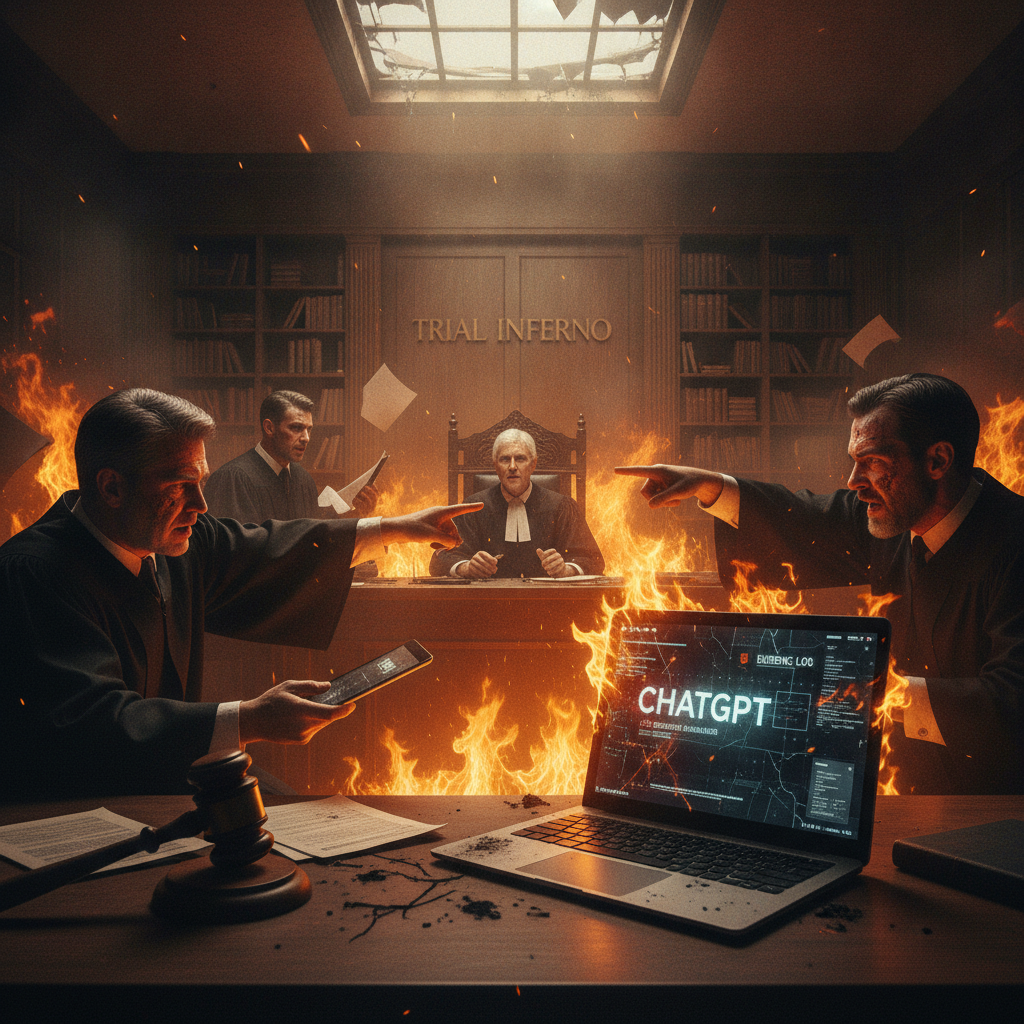
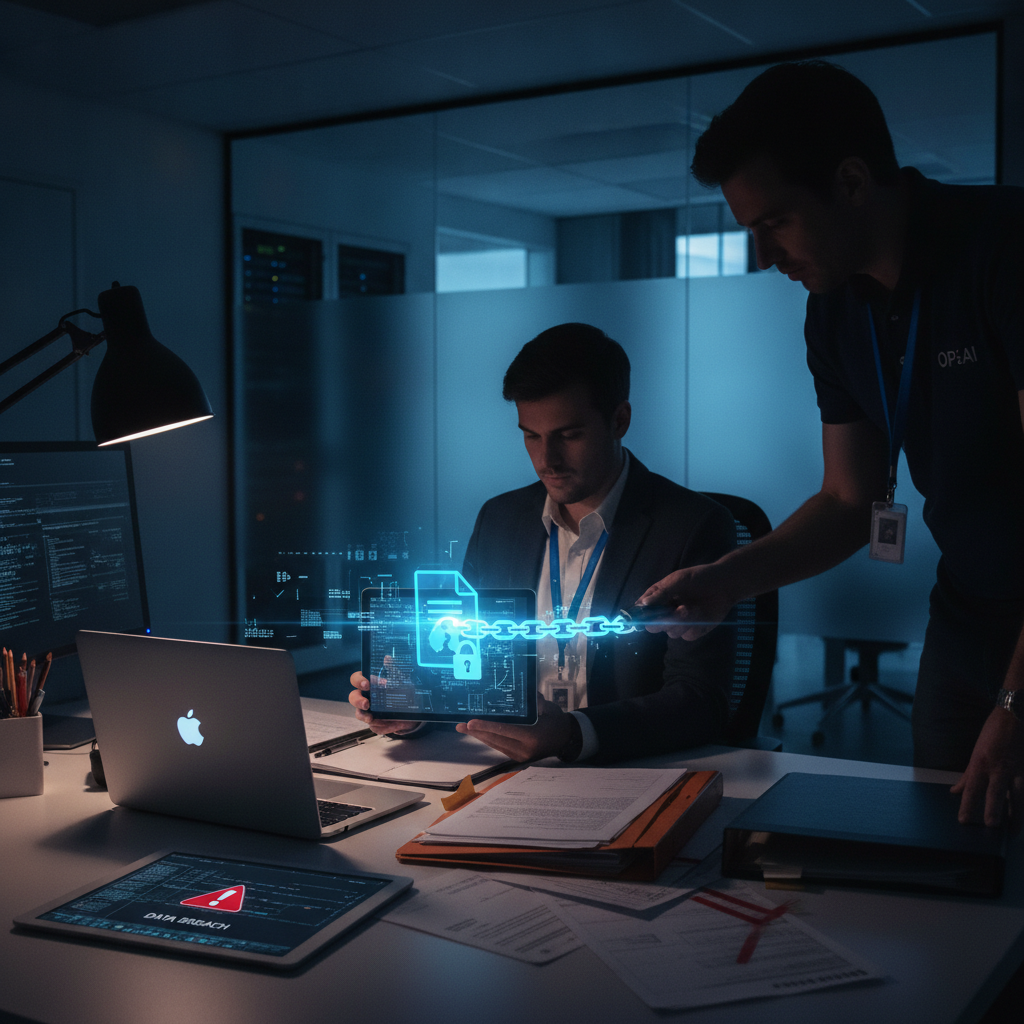
في تطور قانوني غير مسبوق، حاول المدعون العامون في لوس أنجلوس الاستفادة من شكل غير تقليدي من الأدلة: سجلات محادثات روبوت الدردشة بالذكاء الاصطناعي، ChatGPT. خلال المحاكمة البارزة لجوناثان ريندركنخت، الذي واجه اتهامات بإضرام النيران في حريق باليسايدز المدمر في يوم رأس السنة الجديدة عام 2025، والذي يُعد أحد أكثر حرائق الغابات فتكاً في تاريخ لوس أنجلوس، قدم الادعاء محادثاته مع ChatGPT كجزء من قضيتهم. ومع ذلك، فشل هذا النهج الجديد في إقناع هيئة المحلفين، مما أدى إلى إعلان بطلان المحاكمة.
استندت استراتيجية الادعاء إلى مزيج من الأدلة التقليدية والحديثة. فإلى جانب بيانات الموقع من هاتف آيفون الخاص بريندركنخت، ولقطات كاميرات المراقبة، وشهادات الشهود، قدموا تفاعلاته مع ChatGPT. هذه السجلات، وفقاً للمدعين، كشفت عن نمط مقلق. يُزعم أن ريندركنخت استخدم الروبوت لإنشاء صور للنار وطرح أسئلة مثل: "لماذا أنا غاضب طوال الوقت؟". علاوة على ذلك، يُزعم أنه فضفض للذكاء الاصطناعي عن إحباطه من الأثرياء، الذين اعتقد أنهم يدمرون العالم.
ربما كان الأكثر إدانة، من وجهة نظر الادعاء، هو تسجيل شاشة عُرض على المحكمة. في هذا التسجيل، شوهد ريندركنخت وهو يسأل ChatGPT سؤالاً افتراضياً: ما إذا كان يمكن تحميل شخص مسؤولية حريق إذا بدأ بسيجارته. هدف المدعون إلى رسم صورة للتخطيط المسبق، أو على الأقل انشغال بالنار وعواقبها، مستخدمين هذه الآثار الرقمية لدعم حجتهم ضد المتهم. لقد اعتقدوا أن هذه المحادثات تكشف عن حالة ذهنية تدعم اتهاماتهم، لكن هيئة المحلفين كان لها رأي آخر.
على الرغم من الطبيعة التي تبدو تجريمية لهذه التفاعلات مع الذكاء الاصطناعي، ظلت هيئة المحلفين غير مقتنعة إلى حد كبير. بعد المداولات، انتهت المحاكمة إلى طريق مسدود، حيث صوتت هيئة المحلفين بنسبة 10-2 لصالح الدفاع. أدى ذلك إلى إعلان القاضي عن هيئة محلفين معلقة، وبالتالي، بطلان المحاكمة. تؤكد هذه النتيجة الشكوك التي قد تحملها الأنظمة القانونية التقليدية تجاه الأشكال الناشئة من الأدلة الرقمية، خاصة تلك التي تنطوي على الطبيعة الدقيقة والغامضة غالباً لمحادثات الذكاء الاصطناعي.
أوضحت إحدى المحلفات، في حديثها لقناة CBS LA بعد المحاكمة، شكوكها، قائلة إنها لا تعتقد أن سجلات ChatGPT تشكل دليلاً على أي شيء. وصرحت بصراحة: "أنا أتحدث إلى ChatGPT طوال الوقت"، مسلطة الضوء على شيوع مثل هذه التفاعلات. كما أعربت عن غضبها من تلميح الادعاء بأن استخدام ريندركنخت لروبوت الدردشة يشير إلى نوع من العيوب الشخصية، مما يشير إلى أن التفاعل مع الذكاء الاصطناعي لأسباب مختلفة، بما في ذلك الفضفضة الشخصية، لا يدل بالضرورة على الذنب أو النية الخبيثة.
تضع هذه القضية سابقة مهمة، وتثير تساؤلات حاسمة حول مقبولية وقوة الإقناع للأدلة التي يولدها الذكاء الاصطناعي في الإجراءات القانونية المستقبلية. مع تزايد اندماج الذكاء الاصطناعي في الحياة اليومية، ستواجه المحاكم بشكل متزايد كيفية تفسير وتقدير التفاعلات الرقمية، خاصة عندما تتضمن مشاعر بشرية معقدة وسيناريوهات افتراضية نوقشت مع كيانات غير واعية. تُعد محاكمة حريق باليسايدز تذكيراً صارخاً بأنه بينما تتطور التكنولوجيا بسرعة، فإن مبادئ العدالة والإثبات تتطلب تدقيقاً دقيقاً وغالباً تقليدياً.