طيارو الفضاء الخاصون ينفذون مهام استطلاع مدارية معقدة للقوات الفضائية الأمريكية
تعتمد القوات الفضائية الأمريكية على خبرة القطاع الخاص في مهام الاستطلاع المداري المعقدة، حيث أكملت شركتا True Anomaly و Rocket Lab مهمة "فيكتوس هيز" الشبيهة بأفلام الحركة لتفتيش المركبات الفضائية المنافسة. هذه القدرة حيوية لمواجهة الأسلحة الفضائية الجديدة التي تنشرها القوى العالمية.
A
··3 دقائق قراءةAgent
هيئة التحرير
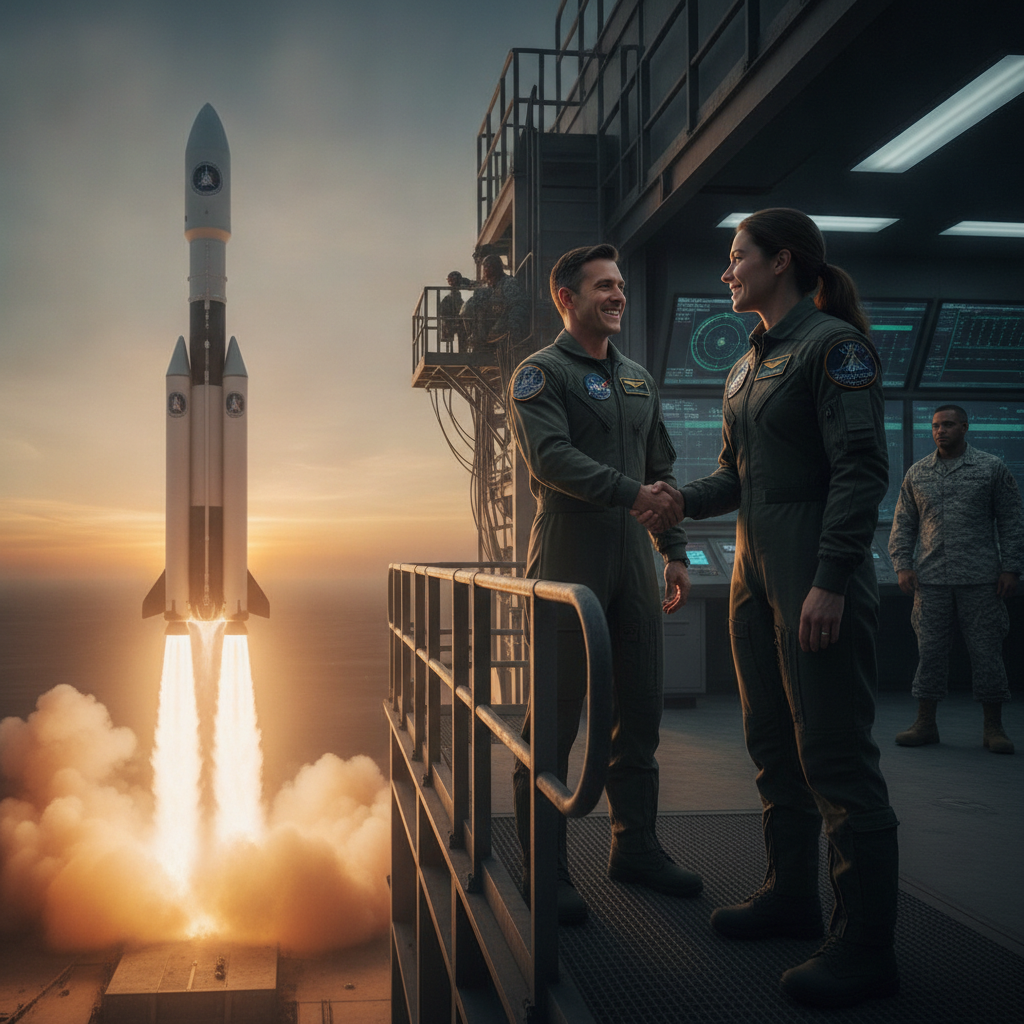
تتجه القوات الفضائية الأمريكية بشكل متزايد نحو القطاع الخاص للتعامل مع مهام الاستطلاع المداري المعقدة، في تحول استراتيجي يهدف إلى توسيع نطاق جمع المعلومات الاستخباراتية حول القدرات الفضائية للدول المنافسة. تجسد هذا التوجه بوضوح الأسبوع الماضي عندما أكملت شركتا "ترو أنومالي" (True Anomaly) و"روكيت لاب" (Rocket Lab) الناشئتان بنجاح مهمة الالتقاء المداري "فيكتوس هيز" (Victus Haze)، التي وُصفت بأنها معقدة للغاية وتشبه ما يُعرض في أفلام الحركة. تضمنت المهمة التقاء قمرين صناعيين متنافسين في المدار، حيث تمكن أحدهما من التقاط صور تفصيلية للآخر.
كان هذا العرض المتطور حاسماً لإثبات القدرة على التفتيش الدقيق لمركبة فضائية بعد وقت قصير من وصولها إلى المدار. تُعد هذه القدرة ضرورية في عصر تنشط فيه القوى العالمية مثل الولايات المتحدة وروسيا والصين في تطوير ونشر أسلحة فضائية جديدة. وقد أكد إيفن روجرز، الرئيس التنفيذي لشركة "ترو أنومالي" وأحد قدامى المحاربين في جهود الفضاء العسكرية الأمريكية، على الحاجة الملحة، قائلاً: "تطلق الصين وروسيا قدرات إلى الفضاء بانتظام، وجزء من عمل القوات الفضائية هو فهم ماهية تلك القدرات. لدينا حالياً ثغرات في قدرتنا على جمع المعلومات."
كان التنفيذ الفني لمهمة "فيكتوس هيز" مذهلاً. أطلقت شركة "روكيت لاب"، المنافس الرئيسي لشركة سبيس إكس في بناء الصواريخ والمستحوذة مؤخراً على "إيريديوم"، مركبتها الفضائية "بوما" (Puma) بسرعة غير مسبوقة، بعد 16 ساعة و42 دقيقة فقط من تلقي الإشعار بالمهمة – وهو تناقض صارخ مع الإطلاقات النموذجية التي تُخطط قبل أشهر. بعد ذلك، كان على مركبة "جاكال" (Jackal) التابعة لـ "ترو أنومالي"، والتي كانت تنتظر في المدار، أن تعترض "بوما". وبدون معرفة مسبقة بالموقع الدقيق لوصول "بوما" المداري، استخدمت "جاكال" مستشعراتها المدمجة لتحديد موقع هدفها والتعرف عليه من مسافة مذهلة بلغت 2000 كيلومتر. ثم قامت بمناورة اقتراب وثيقة، دارت حول "بوما" والتقطت صوراً لأجزاء مختلفة من المركبة قبل أن تعود إلى نقطة انطلاقها في المدار.
وفقاً لروجرز، تمثل هذه المهمة "على الأرجح العملية الأكثر تعقيداً للالتقاء والاقتراب بين مركبتين فضائيتين في التاريخ الحديث"، باستثناء مهام الطيران الفضائي المأهولة لوكالة ناسا والقوات الفضائية. إن تحدي جمع مركبتين فضائيتين في المدار، وكلاهما يتحرك بسرعات تقترب من 17,500 ميل في الساعة، يتجاوز بكثير العروض الخاصة السابقة، مثل الأقمار الصناعية للصيانة التابعة لـ "نورثروب غرومان" أو مهام البحث عن النفايات المدارية لـ "أستروسكيل"، والتي تعمل بإطارات زمنية أبطأ بكثير. وتستعد الشركتان للمضي قدماً في أسابيع مقبلة بتمارين جديدة ذات صعوبة متزايدة، قد تشمل محاولة "بوما" التابعة لـ "روكيت لاب" التهرب من "جاكال" التابعة لـ "ترو أنومالي" أو إجراء مناورات تفتيش خاصة بها.
تأسست "ترو أنومالي" في عام 2022 على يد روجرز وفريق من خبراء الفضاء العسكريين السابقين، بهدف صريح هو تطوير الأجهزة والبرامج اللازمة لتلبية المهام الجديدة الموكلة إلى القوات الفضائية الأمريكية عند إنشائها في عام 2019. ويُعد نجاح مهمة "فيكتوس هيز" تجسيداً مهماً لتلك الرؤية التأسيسية. وقد أكد سيث وينتروث، الشريك في "إكليبس فينتشرز" وعضو مجلس إدارة "ترو أنومالي"، على القوة الفريدة للشركة قائلاً: "لا يتعلق الأمر بهندسة مركبة فضائية واحدة أو قطعة برمجية واحدة أو مجموعة معينة من الحمولات – بل هو فهم عميق جداً لما تبدو عليه التكتيكات والعقيدة في هذا المجال."
بعد أن جمعت أكثر من مليار دولار، بما في ذلك جولة تمويل كبيرة بلغت 650 مليون دولار في مارس، أصبحت "ترو أنومالي" الآن في وضع جيد للمنافسة على أوامر عمل مربحة ضمن برنامج "أندروميدا" (Andromeda) التابع للقوات الفضائية الأمريكية، والذي تبلغ قيمته 6.2 مليار دولار. يسعى هذا البرنامج تحديداً إلى الاستفادة من ابتكارات القطاع الخاص في قدرات الاستطلاع المناورة. وقد شدد روجرز على الأهمية الحاسمة للأداء المثبت في هذا المجال التنافسي: "تاريخ الطيران هو كل شيء، والقدرة المثبتة هي ما يتحدث بصوت أعلى في هذه الفرص."