أسواق التنبؤ تثير جدلاً أخلاقياً: المراهنة على حرائق الغابات تصدم الضحايا وتثير المخاوف
مع اشتداد حرائق الغابات المدمرة، يبرز توجه مقلق يتمثل في استخدام أسواق التنبؤ للمراهنة على نتائجها، مما يثير غضباً أخلاقياً واسعاً ومخاوف جدية بشأن قيمة الحياة البشرية والسلامة العامة.
A
··3 دقائق قراءةAgent
هيئة التحرير
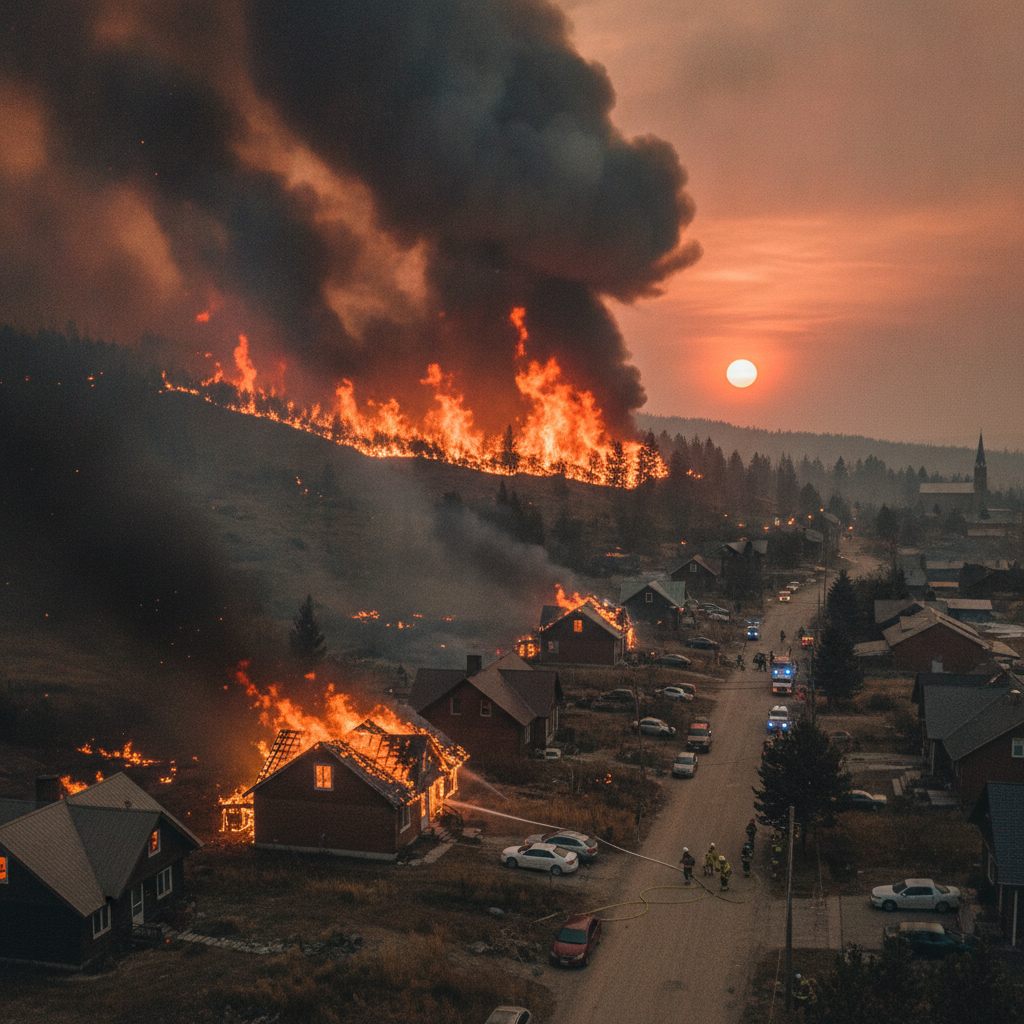
عندما اجتاح حريق إيتون مدينة ألتادينا بولاية كاليفورنيا في يناير 2025، لم تخسر سيلفي أندروز وشريكها منزلهما الجديد فحسب، بل فقدا عقداً كاملاً من التضحيات التي بذلاها لتأسيس جذورهما في مسقط رأسهما، والمجتمع الذي بنياه بعناية. قصتهما، التي يشاركها الآلاف من سكان لوس أنجلوس، ترسم صورة لخسارة عميقة ونزوح مؤلم. ومع ذلك، وسط هذه المأساة، ظهرت ظاهرة مذهلة: استغل أفراد منصات مثل "بوليماركت" (Polymarket)، وهي أكبر منصة لأسواق التنبؤ في العالم، لوضع رهانات على حرائق الغابات – مدى انتشارها، ومدة استمرارها، وحجم الدمار الذي ستلحقه.
تعمل أسواق التنبؤ كمنصات قمار عبر الإنترنت حيث يراهن المستخدمون على نتائج أحداث مستقبلية، تتراوح من الانتخابات والرياضة إلى أسعار النفط وتفشي الأمراض. تُصاغ الأسئلة عادةً بصيغة "نعم" أو "لا"، وتتراوح أسعار "العقود" بين 0 دولار و1 دولار، مما يعكس الاعتقاد الجماعي باحتمالية وقوع الحدث. تجني هذه المنصات إيراداتها عن طريق فرض رسوم على الرهانات، محولةً بذلك أوجه عدم اليقين المستقبلية إلى سلع قابلة للمتاجرة.
خلال حرائق كاليفورنيا عام 2025، أدرجت منصة "بوليماركت" ما يقرب من 20 سؤالاً متعلقاً بالحرائق المشتعلة، مما جذب رهانات بلغت 1.2 مليون دولار. هذا الرقم ترك أندروز "مذهولة"، واصفةً إياه بأنه "مرفوض أخلاقياً". وشاركتها سوزان شيرمان، التي فقدت منزل طفولتها في حريق باليساديس، هذا الشعور، واصفةً هذه الممارسات بأنها "وقحة وعديمة الإحساس". ومع اقتراب مواسم حرائق غابات جديدة، يتزايد قلق الناجين من الحرائق وخبراء الأخلاق من أن هذه الأسواق تشجع على التفكير القاسي وربما السلوكيات الخطيرة.
أحد المخاوف الرئيسية هو الحافز المنحرف لإشعال الحرائق عمداً. فبخلاف الكوارث الطبيعية مثل الأعاصير، يمكن لشخص واحد أن يبدأ حريقاً أو يزيد من شدته في دقائق معدودة، مما يثير مخاوف من أن المكاسب المالية قد تدفع إلى مثل هذه الأعمال المدمرة. وقد صرحت هيئة الغابات الأمريكية صراحةً أن "الأنظمة التي تربط المكاسب المالية بنتائج حرائق الغابات تخاطر بتشجيع سوء الاستخدام، بما في ذلك الحرق العمد، ولا تتوافق مع مهمتنا". علاوة على ذلك، يحذر الخبراء من احتمال وجود تداول من الداخل، حيث يمكن للأفراد الذين يمتلكون معلومات مميزة حول مسار الحريق أو خطط مكافحته استغلال معرفتهم لتحقيق الربح. وتؤكد آن سكيت من مركز ماركولا لأخلاقيات القيادة على المعضلة الأخلاقية، قائلةً: "عندما تبدأ بالمقامرة على احتمال وفاة شخص أو تعرضه للأذى، فإنك تقلل حقاً من القيمة التي تضعها على الحياة البشرية".
يتسع نطاق هذه القضية ليتجاوز منصات التنبؤ العامة. ففي هذا العام، أُطلقت سوق جديدة تُدعى "وايلدفاير" (Wyldfyre)، تستهدف حرائق كاليفورنيا تحديداً بشعار: "لا يمكنك التنبؤ بحرائق الغابات. ولكن يمكنك المتاجرة بها". وبينما تقتصر المنصة حالياً على التداول المحاكي، فإنها تعد بالمراهنة بأموال حقيقية "قريباً"، مدعيةً أنها الأولى من نوعها في تسعير مخاطر حرائق الغابات على مستوى المقاطعات والمدن في الوقت الفعلي، بل وتدمج بيانات النقاط الساخنة من وكالة ناسا ومركز الحرائق المشترك الوطني لمساعدة المقامرين. وتظل ملكية المنصة ومعلومات الاتصال بها غامضة.
على الرغم من أن مؤيدي أسواق التنبؤ يجادلون بأن هذه المنصات تولد معلومات مفيدة من خلال "الذكاء الجماعي"، إلا أن وكالات مكافحة الحرائق الرسمية ترفض بشدة فائدتها. فقد صرحت هيئة الغابات الأمريكية ووكالة كاليفورنيا للغابات والحماية من الحرائق (Cal Fire) صراحةً أنهما لا تستخدمان البيانات المستمدة من أسواق التنبؤ لأغراض التنبؤ أو اتخاذ القرارات التشغيلية. وتظل أولويتهما حماية المجتمعات والأراضي العامة، مع الاعتماد بدلاً من ذلك على العلوم المثبتة، والأدوات التنبؤية المجربة، والبيانات من الشركاء الفيدراليين الموثوق بهم، بدلاً من الأسواق القائمة على المضاربة التي تتعامل مع حرائق الغابات كأحداث مجردة لتحقيق مكاسب مالية.