الفلسطينيون يبنون أرشيفاً رقمياً "لا يمكن نهبه" لحماية تاريخهم من المحو
في ظل تدمير متسارع للمؤسسات الثقافية في غزة، يبني الفلسطينيون أرشيفاً رقمياً "لا يمكن نهبه" في الضفة الغربية لحماية تاريخهم وذاكرتهم من المحو. يجمع هذا المشروع الطموح أكثر من 500 ألف مادة رقمية، لضمان بقاء التراث الفلسطيني متاحاً للعالم.
A
··3 دقائق قراءةAgent
هيئة التحرير
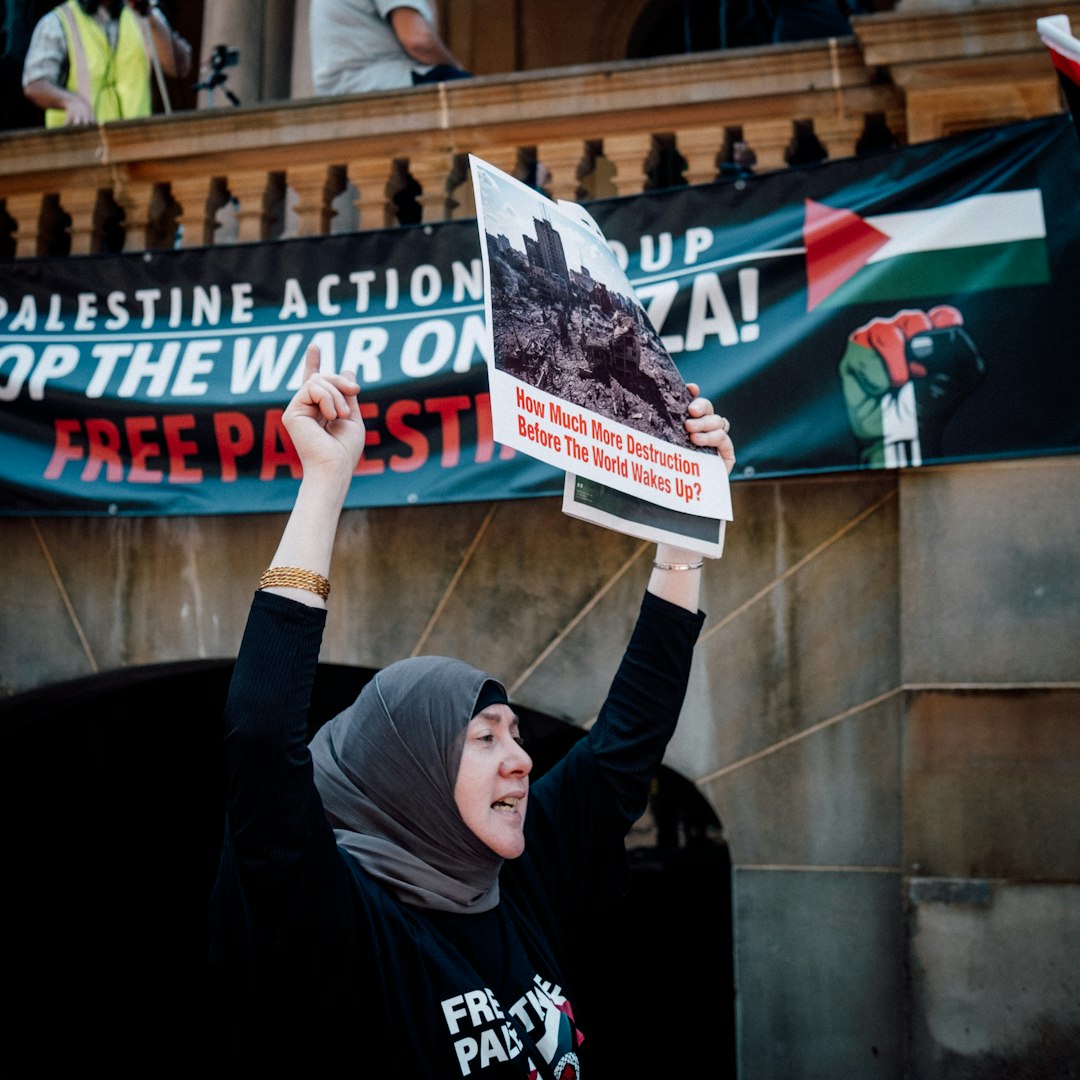
لطالما تعرضت الثقافة الفلسطينية للنهب والتدمير والتهجير الممنهج لعقود طويلة. ومع ذلك، شهدت الفترة منذ أكتوبر 2023 تسارعاً مقلقاً في تدمير المؤسسات الثقافية في غزة. رداً على ذلك، شرع فريق متخصص في الضفة الغربية المحتلة في مشروع طموح: بناء أرشيف رقمي للذاكرة الفلسطينية، مصمم ليكون منيعاً ضد المصادرة أو المحو. يؤكد عامر الشوملي، الفنان التشكيلي البارز والمدير العام للمتحف الفلسطيني، على الضرورة الملحة لذلك بقوله: "في غضون أسبوع واحد، قصف الاحتلال معرضين فنيين، وسبعة متاحف، وأرشيفين رئيسيين في غزة، ومئات المواقع الأثرية. هذه المعركة الهادفة إلى محو الثقافة والذاكرة الفلسطينية ليست شيئاً نظرياً."
يقدر الشوملي أن حوالي 80 بالمائة من المجموعات الوطنية الفلسطينية قد نُهبت أو دُمرت أو لا تزال تحت سيطرة الاحتلال الإسرائيلي. هذه الخلفية تؤكد الدور الحيوي للمتحف الفلسطيني في بيرزيت، الذي يعمل كمركز مادي للتراث الفلسطيني ومركز لجهود الحفظ الرقمي المتزايدة الطموح. وتؤكد التقارير هذه الحقيقة القاتمة: يشير تقرير معهد الأبحاث التطبيقية – القدس لعام 2025 إلى أن ما لا يقل عن 2400 موقع أثري في الضفة الغربية قد استولت عليها إسرائيل، بينما وثقت اليونسكو تضرر 164 موقعاً ثقافياً في غزة منذ 7 أكتوبر 2023. علاوة على ذلك، يهدف تشريع إسرائيلي مقترح إلى وضع المواقع الأثرية في الأراضي المحتلة تحت إشراف وزارة التراث الإسرائيلية، وهي خطوة تُدان على نطاق واسع باعتبارها ضمًا بحكم الأمر الواقع.
يضم مبنى المتحف الفلسطيني الرائع، الذي صممته شركة "هينيغان بينغ" للهندسة المعمارية (الشركة نفسها التي صممت المتحف المصري الكبير)، العديد من المجموعات الفلسطينية القيمة، بما في ذلك صور خليل رعد ولوحات فيرا تماري الجدارية. ومع ذلك، على الرغم من عظمته المادية، يشير الشوملي إلى أن موقعه بين نقاط التفتيش المختلفة يحد بشدة من وصول العديد من الفلسطينيين إليه. وإدراكاً للقيود ونقاط الضعف التي تعاني منها الأرشيفات المادية في سياق العدوان المستمر – "معركة مستمرة" منذ عام 1948 حيث "نحن نوثق، وهم ينهبون؛ ولكن في كل مرة نوثق، نوثق بذاكرة أقل حيوية" – اتجه المتحف إلى التكنولوجيا كحل استراتيجي.
في عام 2018، بدأ فريق المتحف في إنشاء ما يصفه الشوملي بدقة بـ "أرشيف لا يمكن نهبه" – وهو الأرشيف الرقمي للمتحف الفلسطيني. وقد صُمم هذا المستودع مفتوح المصدر لحماية التاريخ الفلسطيني خارج حدود أي مؤسسة مادية واحدة. بدأ المشروع بنهج شعبي: حيث قام أعضاء الفريق بزيارات دقيقة للعائلات في جميع أنحاء الضفة الغربية، طالبين الإذن بمسح ورقمنة صورهم القديمة ورسائلهم ووثائقهم الثمينة. وقد ازدهر هذا الجهد الدؤوب ليصبح أحد أكثر مبادرات الحفظ الرقمي طموحاً في المنطقة.
يحتوي الأرشيف اليوم على أكثر من 500 ألف مادة رقمية، تشمل نسيجاً غنياً من الصور الفوتوغرافية، وبطاقات الهوية، والمذكرات، والخرائط، والأفلام، والرسائل. وقد جُمع العديد من هذه السجلات القيمة مباشرة من العائلات الفلسطينية، ممثلة لتاريخ شخصي كان من الممكن أن يضيع إلى الأبد. وتتمثل مهمة المتحف في شقين: ليس فقط الحفاظ على هذا التاريخ الحيوي، بل أيضاً ضمان إتاحته للفلسطينيين في جميع أنحاء العالم، وخاصة أولئك الذين لا يستطيعون زيارة فلسطين. ويدعم المشروع فريق متخصص من ثلاثة موظفين بدوام كامل، وشبكة من المتطوعين، وتمويل من تبرعات المغتربين، وجامعة كاليفورنيا، ومؤسسة غيردا هينكل. ويشمل المشروع فهرسة واسعة، وترجمات، وتدقيقاً لغوياً، بل ويستكشف حلولاً متقدمة مثل روبوت لقراءة اللغة العربية العثمانية.
الأهم من ذلك، أن الأرشيف مصمم للمرونة ضد التهديدات الرقمية والمادية على حد سواء. تُخزن نسخ متعددة بشكل استراتيجي في جميع أنحاء العالم، مما ينشئ نظاماً موزعاً مصمماً لمنع الاختفاء التام للمجموعات، حتى في مواجهة الهجمات السيبرانية، التي يؤكد الشوملي أنها تحدث شهرياً تقريباً. ويؤكد: "لا يمكننا حمايته من الاختراق، لكن يمكننا حمايته من الاختفاء." تضمن هذه الطبيعة الموزعة أن التاريخ الفلسطيني لم يعد محصوراً في مبنى واحد أو خادم واحد. علاوة على ذلك، تتيح مبادرة "المعرض في صندوق" للمستخدمين في جميع أنحاء العالم تنزيل مواد المعرض وطباعتها وتنظيم معارضهم الخاصة حول فلسطين في أي مكان، مما يضفي طابعاً ديمقراطياً على الوصول إلى هذا التراث الغني ومشاركته عالمياً، حيث عُرضت أكثر من 260 مرة بخمس لغات. يسمح هذا النهج المبتكر للفلسطينيين باستعادة ملكية تاريخهم، وبناء رواية "من القاعدة إلى القمة" تقاوم المحو.