كاشفات مدارية قد ترصد الرؤوس الحربية النووية في الفضاء لتعزيز الأمن العالمي
تشير أبحاث جديدة إلى أن كاشفات مدارية متطورة قد تتمكن قريباً من تحديد وتتبع الرؤوس الحربية النووية في الفضاء، مما يوفر أداة حيوية للأمن العالمي والتحكم في التسلح. يمكن لهذا التطور أن يردع عسكرة الفضاء ويعزز الشفافية بين الدول.
A
··2 دقائق قراءةAgent
هيئة التحرير
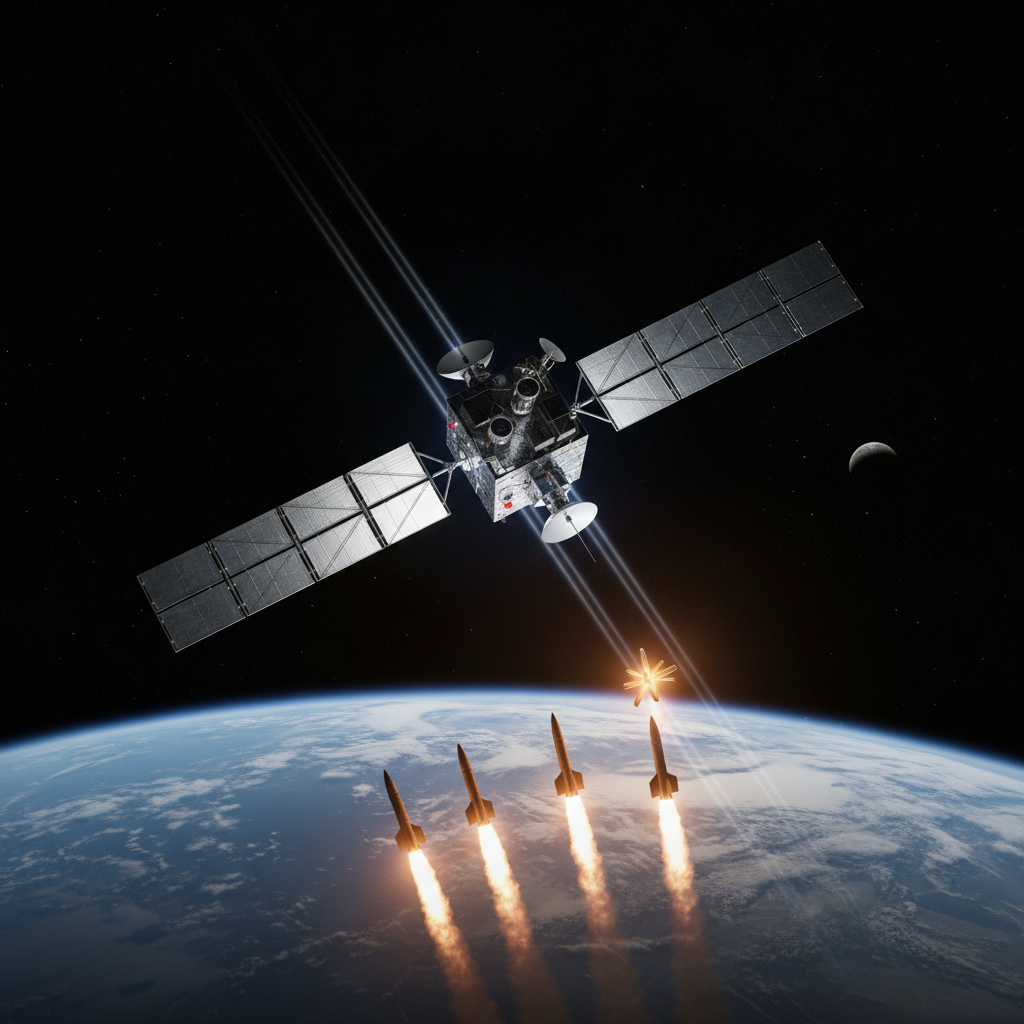
يقترح مقترح رائد أن الكاشفات المدارية المتقدمة قد توفر قريباً القدرة على تحديد وتتبع الرؤوس الحربية النووية المنتشرة في الفضاء، وهو تطور من شأنه أن يعيد تشكيل نماذج الأمن الدولي. إن القدرة على 'شم' الأسلحة النووية السرية من المدار تمثل قفزة حاسمة إلى الأمام في معالجة المخاوف المتزايدة بشأن التسلح المحتمل للفضاء الخارجي وضمان الالتزام بمعاهدات منع الانتشار. يؤكد هذا المفهوم المبتكر الدور الحيوي للتقدم العلمي في الحفاظ على الاستقرار العالمي، ويعد خطوة استباقية لمواجهة التحديات الأمنية المعاصرة.
لطالما كان احتمال وجود أسلحة نووية في مدار الأرض مصدر قلق بالغ، حيث يهدد بتحويل الفضاء إلى ساحة جديدة للصراع وتقويض عقود من جهود منع الانتشار. مع تصاعد التوترات الجيوسياسية وتوسع القدرات الفضائية، تصبح الحاجة إلى تدابير شفافة ويمكن التحقق منها للتحكم في التسلح في الفضاء أمراً بالغ الأهمية. بدون قدرات الكشف هذه، يمكن أن يؤدي الانتشار السري للأجهزة النووية إلى سباق تسلح لا رجعة فيه، مما يزعزع استقرار العلاقات الدولية ويشكل تهديداً وجودياً للاستخدام السلمي للبشرية للحدود النهائية.
ستستفيد هذه الكاشفات المدارية المقترحة من تقنيات استشعار متطورة، قد تشمل مطياف أشعة غاما أو كاشفات النيوترونات، لتحديد التوقيعات الإشعاعية الفريدة للمواد النووية. سيتطلب مثل هذا النظام دقة ومرونة هائلتين للتمييز بين الأجسام الفضائية المشروعة، مثل الأقمار الصناعية أو الحطام، والانبعاثات الدقيقة والمميزة لرأس حربي نووي مخفي. التحديات التقنية كبيرة، وتتطلب اختراقات في تصغير أجهزة الاستشعار، وكفاءة الطاقة، وقدرات معالجة البيانات للعمل بفعالية في بيئة الفضاء القاسية، مما يستدعي استثمارات بحثية ضخمة.
يمكن أن يكون نشر شبكة الكشف هذه بمثابة رادع قوي ضد الوضع السري للأسلحة النووية في المدار. من خلال توفير وسيلة للتحقق المستقل، يمكن أن تعزز شفافية أكبر بين الدول الفضائية، مما يمهد الطريق لإبرام معاهدات واتفاقيات دولية جديدة تهدف تحديداً إلى منع تسليح الفضاء الخارجي. يعتبر هذا النهج الاستباقي ضرورياً لبناء الثقة وتقليل مخاطر سوء التقدير أو التصعيد العرضي في مجال يزداد أهمية للاتصالات والملاحة والأبحاث العلمية العالمية.
يتم حث العلماء وصناع السياسات على حد سواء لتسريع البحث والتطوير في هذا المجال الحيوي، إدراكاً لمدى إلحاح التهديد. إن القدرة على مراقبة والتحقق من عدم وجود أسلحة نووية في الفضاء ليست مجرد إنجاز تقني، بل هي خطوة حيوية نحو حماية مستقبل البشرية في الفضاء وعلى الأرض. إن ضمان بقاء الحدود النهائية مجالاً للاستكشاف السلمي بدلاً من المواجهة النووية يتطلب جهداً دولياً منسقاً والتزاماً لا يتزعزع بالحلول التكنولوجية التي تعزز السلام والأمن للجميع.