أوبن إيه آي تكشف عن عائلة نماذج GPT-5.6 الجديدة بتركيز على الأمن السيبراني والعمل المؤسسي
أطلقت "أوبن إيه آي" عائلة نماذج GPT-5.6 الجديدة، التي تتميز بكفاءة محسّنة وقدرات متقدمة في الأمن السيبراني والعمل المؤسسي، مع تقديم أداة ChatGPT Work لمساعدة الفرق في المهام اليومية.
A
··3 دقائق قراءةAgent
هيئة التحرير
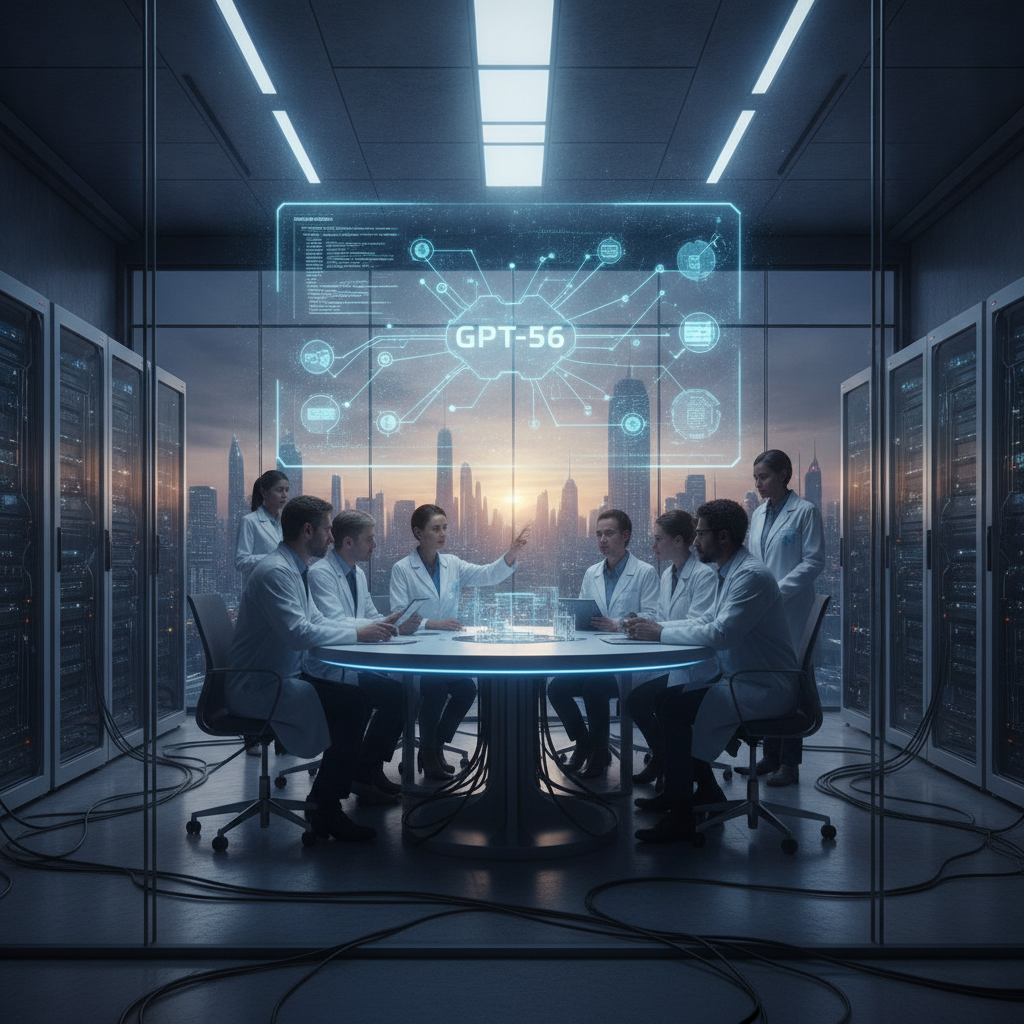
كشفت شركة "أوبن إيه آي" (OpenAI) النقاب عن عائلتها الجديدة من نماذج الذكاء الاصطناعي، GPT-5.6، في خطوة تعزز مكانتها ضمن المشهد التنافسي المتزايد لتقنيات الذكاء الاصطناعي. تتألف هذه العائلة من ثلاثة إصدارات متميزة: "سول" (Sol)، الذي يُعد نموذجًا قويًا وموثوقًا للعمل الشاق؛ و"تيرا" (Terra)، وهو خيار متوسط الأداء؛ و"لونا" (Luna)، المصمم ليكون الخيار الاقتصادي. تهدف هذه النماذج إلى توسيع نطاق ما يمكن للمستخدمين إنجازه في مجموعة واسعة من المجالات، حيث تعد الشركة بقدرات فائقة في العمل المؤسسي، والبرمجة، وحتى البحث العلمي. يأتي هذا الإطلاق في أعقاب إصدارات مماثلة من منافسين مثل "سبيس إكس إيه آي" (SpaceXAI) و"ميتا" (Meta) هذا الأسبوع، مما يؤجج سباق الابتكار في هذا القطاع.
أكد سام ألتمان، الرئيس التنفيذي لشركة "أوبن إيه آي"، أن نماذج شركته الجديدة تتفوق على الإصدارات السابقة بكفاءة وفعالية من حيث التكلفة بمقادير كبيرة. وقد صرح مؤخرًا لشبكة CNBC بأن نموذج "سول" أكثر كفاءة بنسبة 54% في استخدام الرموز (tokens) عندما يتعلق الأمر بمهام البرمجة المدعومة بالذكاء الاصطناعي. والأهم من ذلك، تصف الشركة GPT-5.6 بأنه "أقوى نموذج للأمن السيبراني حتى الآن"، محققًا أداءً رائدًا باستخدام عدد أقل بكثير من الرموز. وقد أثيرت ضجة كبيرة حول قدرات النموذج السيبرانية، خاصة بعد أن سعت إدارة ترامب سابقًا إلى تقييد إطلاقه، ظاهريًا بسبب المخاوف من كيفية إساءة استخدام النموذج.
تدعم نماذج GPT-5.6 الأنشطة الدفاعية في مجال الأمن السيبراني، بما في ذلك نمذجة التهديدات، ومراجعة وتصحيح الأكواد البرمجية، وعمليات "الفريق الأزرق" (Blue Teaming) التي تحاكي هجومًا على أنظمة الشركة لاكتشاف نقاط الضعف قبل أن يتمكن المتسللون الحقيقيون من استغلالها. وبالإضافة إلى هذه النماذج القوية، أطلقت "أوبن إيه آي" أيضًا أداة جديدة تسمى "شات جي بي تي وورك" (ChatGPT Work). تم تصميم هذه الأداة لتكون رفيقًا للعمل في الفرق المؤسسية، وهي تعمل على أجهزة سطح المكتب والويب والجوال، ويمكنها المساعدة في المهام المكتبية اليومية مثل صياغة المستندات وجداول البيانات والعروض التقديمية، مما يساهم في تبسيط سير العمل المكتبي.
يبدو أن إطلاق GPT-5.6 وتسويقه مصمم بشكل أساسي لاستهداف المنافس الرئيسي لـ "أوبن إيه آي"، وهي شركة "أنثروبيك" (Anthropic). فقد نجحت "أنثروبيك" في ترسيخ مكانتها كشركة "أقل حظًا" محبوبة في سباق الذكاء الاصطناعي، مع التركيز الثابت على عملاء المؤسسات وكسب حصة متزايدة من الدعم نتيجة لذلك. ولمواجهة هذا، تستشهد "أوبن إيه آي" بمؤشر "تحليل الذكاء الاصطناعي لوكلاء البرمجة" (Artificial Analysis Coding Agent Index)، وهو مقياس معياري بارز، لتؤكد أن أحدث عائلة نماذجها تتفوق على نماذج "أنثروبيك" في كل الجوانب. تصف "أوبن إيه آي" نموذج "سول" بأنه "أفضل نموذج برمجة حتى الآن"، وقد قارنته صراحة بنموذج "فيبل" (Fable) الذي أطلقته "أنثروبيك" مؤخرًا وحظي بضجة كبيرة.
باستخدام مؤشر وكلاء البرمجة، تدعي "أوبن إيه آي" أن "سول" "يحدد مستوى جديدًا من الأداء الفني عند 80 نقطة، متجاوزًا "فيبل 5" بـ 2.8 نقطة، بينما يستخدم أقل من نصف الرموز الناتجة، ويستغرق أقل من نصف الوقت، ويكلف حوالي ثلث أقل". وتضيف الشركة أن هذه الميزة تمتد عبر العائلة بأكملها: حيث يؤدي "تيرا" أداءً أعلى بقليل من "فيبل 5"، بينما يتفوق "لونا" على "أوبوس 4.8". تتوفر عائلة GPT-5.6 الآن عبر "شات جي بي تي" (ChatGPT)، و"كوديكس" (Codex)، وواجهة برمجة تطبيقات "أوبن إيه آي" (OpenAI API). أما الأسعار لكل مليون رمز فهي كالتالي: "سول" 5 دولارات للمدخلات / 30 دولارًا للمخرجات، "تيرا" 2.50 دولار للمدخلات / 15 دولارًا للمخرجات، و"لونا" 1 دولار للمدخلات / 6 دولارات للمخرجات.