"OpenAI" تراهن على العائلات مع تعمق "ChatGPT" في الاستخدامات المنزلية
توسع "OpenAI" تركيز "ChatGPT" ليشمل العائلات ومقدمي الرعاية وكبار السن، مع تعيين مدير منتجات مخصص لهذا التحول الاستراتيجي. تعكس هذه الخطوة قاعدة مستخدمين متزايدة وتثير تحديات جديدة في الثقة والسلامة لمنتجات الذكاء الاصطناعي داخل المنازل.
A
··3 دقائق قراءةAgent
هيئة التحرير
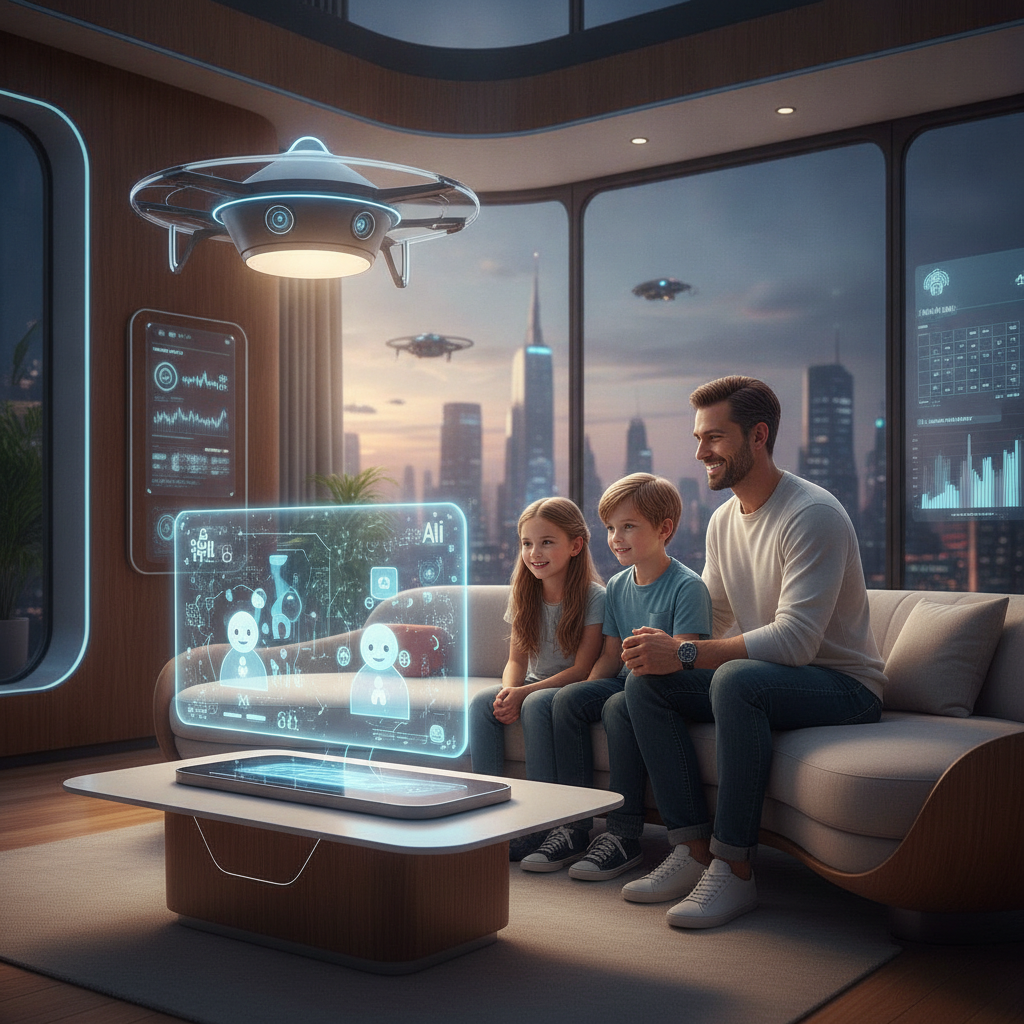
بعد مرور أكثر من ثلاث سنوات على إطلاق "ChatGPT" الذي دفع بالذكاء الاصطناعي التوليدي إلى واجهة الاهتمام العالمي، تتجه شركة "OpenAI" الآن نحو توسيع نطاق تركيزها الاستراتيجي بشكل كبير. لم تعد الشركة تستهدف المستخدمين الأفراد فحسب، بل بدأت تراهن بقوة على العائلات ومقدمي الرعاية وكبار السن، في خطوة تشير إلى دمج أعمق لتقنيات الذكاء الاصطناعي في صميم الحياة المنزلية اليومية. ويؤكد هذا التحول الاستراتيجي إعلان الشركة عن وظيفة جديدة لمدير منتجات متخصص في سان فرانسيسكو، ستكون مهمته بناء تجارب مصممة خصيصًا لهذه الفئات الديموغرافية عبر مجموعة منتجات "OpenAI"، مع التركيز بشكل خاص على التفاعلات الاستهلاكية الحساسة للثقة.
يأتي هذا التوسع في الوقت الذي تستمر فيه التركيبة السكانية لجمهور مستخدمي "ChatGPT" في التطور. فوفقًا لتقديرات حصرية من "Sensor Tower" شاركتها مع "TechCrunch"، ارتفعت نسبة مستخدمي "ChatGPT" عالميًا الذين تبلغ أعمارهم 35 عامًا فما فوق إلى 31% في الربع الثاني من العام، مقارنة بـ 26% قبل عام، بينما انخفضت نسبة المستخدمين الذين تتراوح أعمارهم بين 18 و 24 عامًا. والأكثر أهمية، في الولايات المتحدة، استخدم ما يقرب من واحد من كل أربعة آباء من مستخدمي الهواتف الذكية "ChatGPT" خلال الربع الأخير، وهي زيادة ملحوظة من 16% قبل عام. وتبرز هذه البيانات اتجاهًا واضحًا: لم يعد الذكاء الاصطناعي، وخاصة "ChatGPT"، أداة مقتصرة على الشباب المتمرسين في التكنولوجيا، بل يتبناه بشكل متزايد قاعدة مستخدمين أوسع وأكثر تنوعًا.
يرى الخبراء أن هذا التحول هو تطور طبيعي، على غرار المسار الذي اتبعته منصات مثل "جوجل" و"آبل" و"ميتا" عندما أصبحت جزءًا لا يتجزأ من الحياة اليومية للأسر. ويشير بن باجارين، الرئيس التنفيذي لشركة "Creative Strategies" الاستشارية في مجال التكنولوجيا، إلى أن "OpenAI" بدأت تنظر إلى منتجاتها ليس فقط كأدوات إنتاجية فردية، بل كتقنية منزلية متكاملة. ومع ذلك، فإن هذا التطور يرفع من المخاطر، حيث يتوسط مساعدو الذكاء الاصطناعي أكثر من مجرد المحتوى أو الأجهزة؛ فهم يشاركون في تفاعلات أعمق وأكثر شخصية، مما يثير تحديات معقدة تتعلق بالثقة والسلامة، خاصة فيما يتعلق بالمستخدمين الأصغر سنًا.
ويؤكد ستيفن بالكام، الرئيس التنفيذي لمعهد سلامة الأسرة عبر الإنترنت (FOSI)، أن هذا التوظيف يعكس نضج "OpenAI" وإدراكًا حاسمًا بأن منتجات الذكاء الاصطناعي التي يستخدمها الأطفال والمراهقون تتطلب ضمانات مختلفة عن تلك المصممة للبالغين. ويصف بالكام هذا النهج بأنه "السلامة من خلال إعادة التصميم"، معترفًا بأن المنتجات الأولية لم تُطوّر مع وضع الأطفال في الاعتبار، مما يجعل هذه الاستجابة ضرورية ومرحباً بها. ويكشف بحث حديث نشره معهد FOSI أن الآباء غالبًا ما يقللون من تقدير مدى استخدام أطفالهم للذكاء الاصطناعي التوليدي، مما يؤكد الحاجة الملحة لتدابير سلامة مصممة خصيصًا.
استجابة لهذه المخاوف المتزايدة، وفي خضم دعاوى قضائية متعددة تزعم إلحاق الضرر بالأطفال، بدأت "OpenAI" بالفعل في تطبيق سلسلة من تحسينات السلامة. تشمل هذه التحسينات ضوابط أبوية لحسابات المراهقين، وتوجيه المحادثات الحساسة إلى نماذج تفكير مصممة للتعامل بشكل أفضل مع علامات الضيق، ومؤخرًا، ميزة "جهة اتصال موثوقة" اختيارية يمكنها تنبيه أحد أفراد الأسرة أو مقدم الرعاية في حالات احتمالية إيذاء النفس. ويقترح بالكام أن شركات الذكاء الاصطناعي لديها فرصة فريدة لتجنب الأخطاء التي ارتكبتها منصات التواصل الاجتماعي، والتي تعاملت لسنوات مع الأطفال مثل البالغين قبل إضافة ضمانات أقوى تحت ضغط عام وتنظيمي متزايد.
وبالنظر إلى المستقبل، يتوافق هذا التحرك الاستراتيجي مع جهود "OpenAI" الأوسع نطاقًا حول العائلات، مثل استكشاف دور الذكاء الاصطناعي في تعلم الشباب وتدريبهم. وبينما تُعد التحولات الديموغرافية شائعة عبر منصات الذكاء الاصطناعي الأخرى (مثل "Claude" و"Gemini" و"Copilot")، فإن "ChatGPT" يكتسب مستخدمين أكبر سنًا بوتيرة أسرع من منافسيه. ويتوقع باجارين أن يؤدي هذا التركيز على العائلات إلى إطلاق خطط عائلية، وملفات تعريف للأطفال والمراهقين، وأدوات لمقدمي الرعاية، وذاكرة منزلية مشتركة، ودروس خصوصية بالذكاء الاصطناعي، وضوابط أمان قوية، مما يشكل مستقبل الذكاء الاصطناعي الاستهلاكي كتقنية مشتركة بين الأجيال.