OpenAI تستعد لاتخاذ إجراءات قانونية ضد Apple بسبب تكامل ChatGPT الفاشل
تستكشف OpenAI اتخاذ إجراءات قانونية ضد Apple بسبب خيبة أملها من تكامل ChatGPT الذي لم يحقق التوقعات. يسلط هذا النزاع المحتمل الضوء على تاريخ Apple في إقصاء الشركاء بعد الاستفادة من تقنياتهم.
A
··3 دقائق قراءةAgent
هيئة التحرير
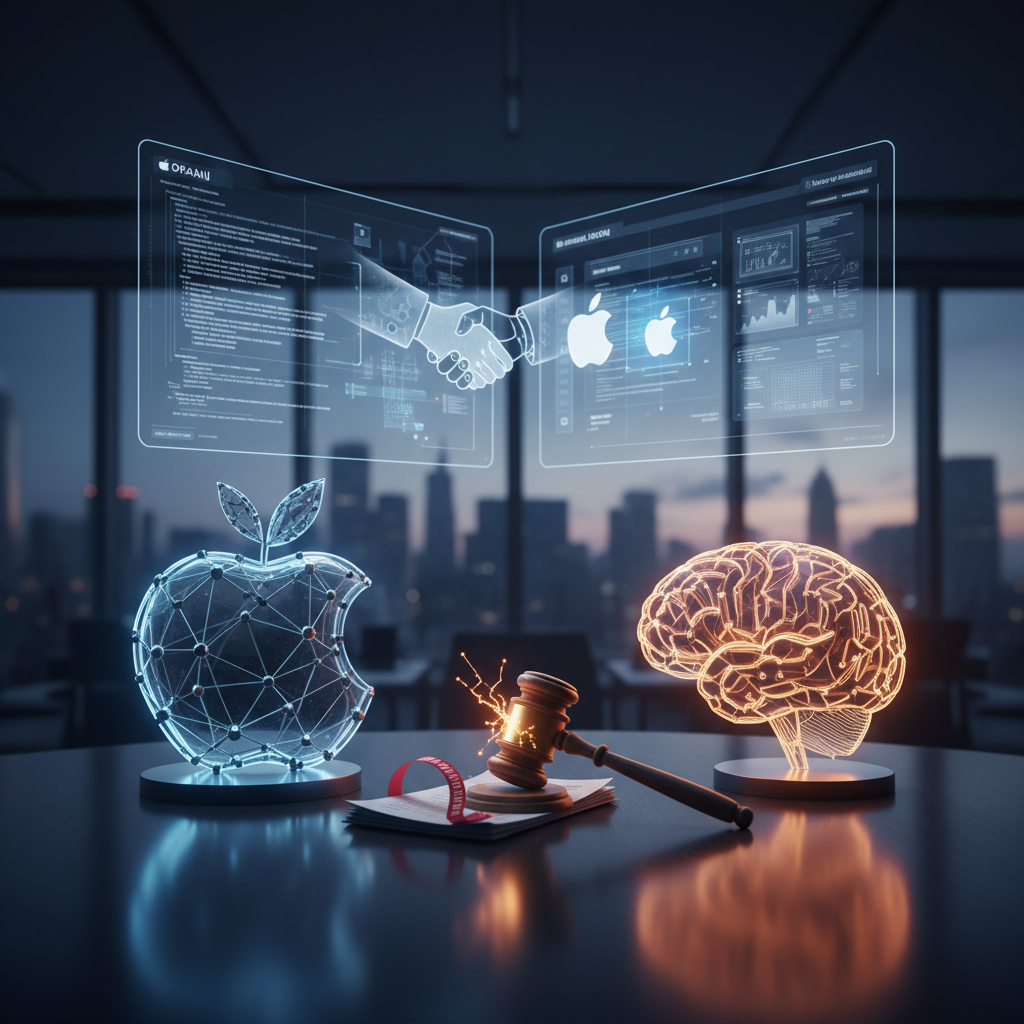
تستعد شركة OpenAI، الرائدة في مجال الذكاء الاصطناعي، لاتخاذ إجراءات قانونية ضد شركة Apple العملاقة، وذلك بسبب إحباطها الشديد من أداء تكامل ChatGPT في أنظمة تشغيل Apple. وفقًا لتقرير صادر عن وكالة بلومبرغ نيوز، تستكشف OpenAI حاليًا خيارات قانونية متعددة، بما في ذلك إمكانية إرسال إشعار رسمي بخرق العقد، بعد أن فشل التكامل في تحقيق النمو المتوقع في عدد المشتركين والمكانة البارزة التي كانت تطمح إليها. هذا التطور يسلط الضوء على التحديات الكامنة في الشراكة مع عمالقة التكنولوجيا مثل Apple، المعروفة بسياساتها الصارمة والتحكم الكامل في أنظمتها البيئية.
تشير مصادر مطلعة على الأمر إلى أن OpenAI استعانت بمكتب محاماة خارجي لتقييم خياراتها القانونية. ومن المرجح أن يتم تأجيل أي إجراءات قانونية رسمية حتى بعد انتهاء المحاكمة الجارية بين OpenAI وإيلون ماسك. تؤكد هذه القضية المحتملة على سمعة Apple كشريك متطلب، حيث غالبًا ما تجد الشركات التي تبني تطبيقاتها على منصة iPhone نفسها تعمل وفقًا لتقدير Apple. تُظهر الأمثلة التاريخية، من Google إلى Adobe، ميل Apple إلى تهميش الشركاء بمجرد أن يبدأوا في اكتساب نفوذ كبير أو التنافس مع عروض Apple الخاصة.
كانت الشراكة بين الشركتين، التي أُعلن عنها بضجة كبيرة في مؤتمر Apple العالمي للمطورين في يونيو 2024، تهدف إلى دمج ChatGPT في أنظمة تشغيل Apple، وتقديمه كخيار ضمن Siri وكجزء من ميزة Visual Intelligence في iPhone. كانت OpenAI، جنبًا إلى جنب مع مراقبي الصناعة، تعلق آمالاً كبيرة على أن هذا التعاون سيجلب مليارات الدولارات من الاشتراكات الجديدة ويمنح الشركة مكانة بارزة في أحد أكثر الأنظمة البيئية للهواتف المحمولة استخدامًا في العالم. ومع ذلك، تفيد بلومبرغ بأن OpenAI أصبحت مستاءة بشكل متزايد، مدعية أن التكامل "مدفون"، وأن ميزاته يصعب العثور عليها، وأن الإيرادات المحققة لا تقترب من التوقعات الأولية. ونقل عن مسؤول تنفيذي في OpenAI قوله: "لقد قالوا أساسًا، 'على OpenAI أن تثق بنا وتتخذ خطوة جريئة'، لكن الأمر لم ينجح."
من جانبها، يُقال إن Apple لديها مجموعة خاصة بها من المظالم. تشمل هذه المخاوف بشأن معايير الخصوصية لدى OpenAI، والانزعاج من دفع OpenAI نحو تطوير الأجهزة، وهي مبادرة يقودها مسؤولون تنفيذيون سابقون في Apple، بمن فيهم رئيس التصميم السابق جوني إيف. هذا الاحتكاك يذكرنا بحالات سابقة حيث احتضنت Apple شركاء ثم قامت بتهميشهم لاحقًا. تشمل الحالات البارزة إزالة خرائط Google من iPhone في عام 2012، واستبدالها بخرائط Apple التي كانت أدنى جودة في البداية، ورفض ستيف جوبز دعم Adobe Flash على أجهزة iOS، مما أدى فعليًا إلى القضاء على هذه التقنية على منصات الهاتف المحمول. وفي الآونة الأخيرة، نجحت Spotify في إثبات أن Apple استغلت سيطرتها على متجر التطبيقات لإلحاق الضرر بخدمات بث الموسيقى المنافسة، مما أدى إلى غرامة بلغت حوالي 1.8 مليار يورو من المفوضية الأوروبية في مارس 2024.
على الرغم من هذه الأنماط التاريخية، يمكن للمصالح التجارية أحيانًا أن تسد هذه الفجوات. فشركة Google، على سبيل المثال، هي الآن شريك Apple في البنية التحتية للذكاء الاصطناعي، بعد أن أبرمت صفقة متعددة السنوات في يناير لتشغيل Apple Intelligence بنماذج Gemini الخاصة بها، وهو اتفاق مربح يُقال إنه تبلغ قيمته حوالي مليار دولار سنويًا. وفي الوقت نفسه، تخوض OpenAI نفسها نصيبها من العلاقات المتوترة، بما في ذلك الدعوى القضائية المذكورة أعلاه من إيلون ماسك والتوترات المبلغ عنها مع مايكروسوفت، أكبر داعم لها، بينما تسعى الشركة إلى استقلال أكبر قبل طرح عام أولي محتمل.
إن هذه المعركة القانونية الوشيكة بين عملاقي التكنولوجيا تؤكد الطبيعة المعقدة والمحفوفة بالمخاطر للشراكات الاستراتيجية في صناعة مدفوعة بالابتكار والهيمنة على السوق والمنافسة الشرسة. إنها بمثابة تذكير صارخ بأن حتى أكثر التعاونات الواعدة يمكن أن تتدهور بسرعة عندما تختلف التوقعات وتصبح السيطرة نقطة خلاف.