OpenAI تطلق نماذج صوتية جديدة لمحادثات حية أكثر طبيعية
كشفت OpenAI عن نماذجها الصوتية الجديدة، GPT-Live-1 و GPT-Live-1 mini، التي تهدف إلى توفير محادثات حية أكثر طبيعية وتفاعلية عبر تقنية الاتصال ثنائي الاتجاه الكامل. تسمح هذه النماذج للمستخدمين بالتحدث والاستماع في آن واحد، مما يعزز تبادل الأدوار ويدعم ميزات مثل الترجمة الفورية.
A
··3 دقائق قراءةAgent
هيئة التحرير
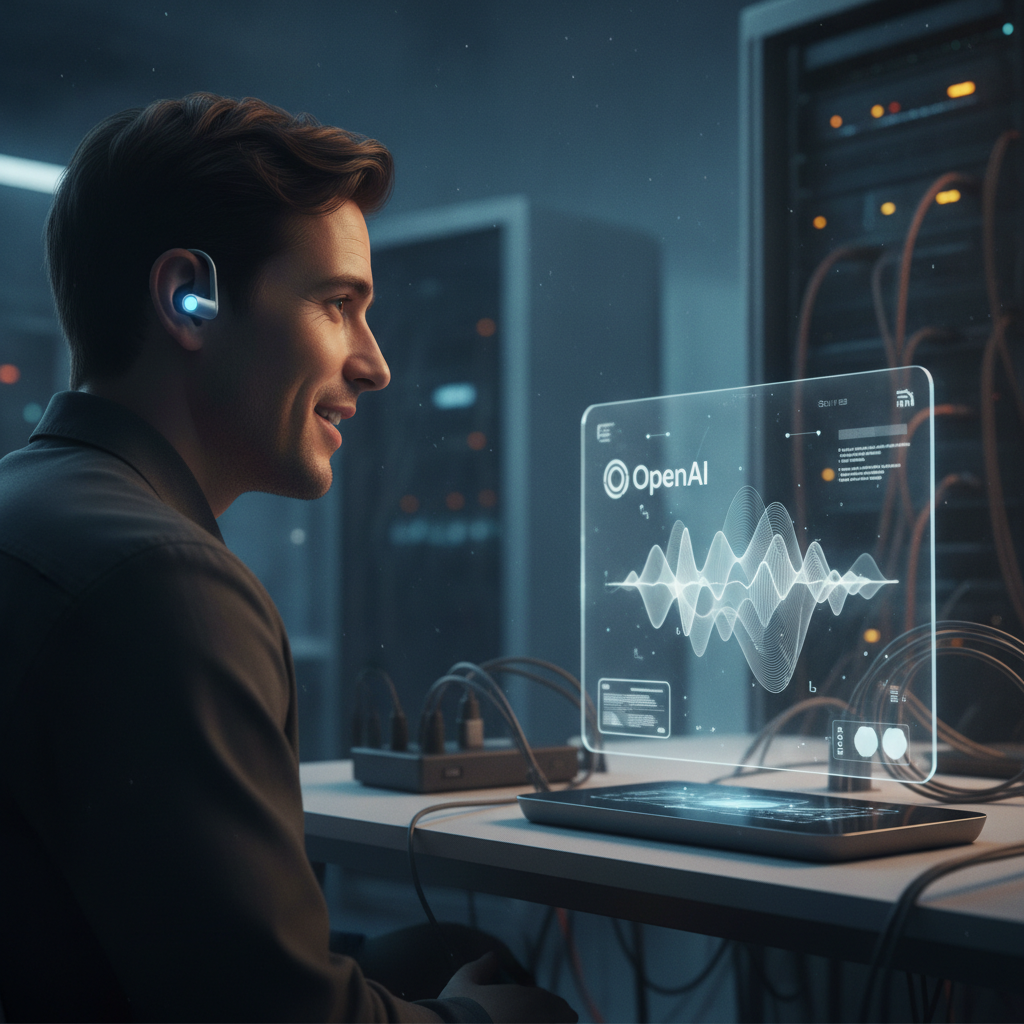
أطلقت شركة OpenAI رسميًا نماذجها الصوتية الجديدة للمحادثات، GPT-Live-1 و GPT-Live-1 mini، واعدةً بتقدم كبير نحو تفاعلات حية أكثر طبيعية وسلاسة. تستفيد هذه النماذج الرائدة من تقنية الاتصال ثنائي الاتجاه الكامل (full-duplex)، مما يعني أنها تستطيع التحدث والاستماع في آن واحد. يتيح هذا للمستخدمين مقاطعة الذكاء الاصطناعي بشكل طبيعي، تمامًا كما يحدث في المحادثات البشرية. من المتوقع أن تدعم هذه التقنية ميزات مثل الترجمة الفورية في الوقت الحقيقي، وتعالج مشكلات قديمة مثل مقاطعة الذكاء الاصطناعي للمستخدمين أو عدم امتلاكه لذكاء كافٍ للاستجابة بفعالية أثناء الحوار المباشر، مما يمثل نقلة نوعية في تجربة المستخدم.
سيصبح نموذج GPT-Live-1 mini الجديد هو الافتراضي لوضع الصوت المتقدم (Advanced Voice Mode) في ChatGPT، بينما سيكون النموذج الأكبر والأكثر قوة، GPT-Live-1، متاحًا للمستخدمين المشتركين في الفئات المدفوعة. على عكس التكرارات السابقة التي كانت تعتمد على عملية متسلسلة تتضمن تحويل الكلام إلى نص، ثم معالجة بواسطة نموذج لغوي كبير، وأخيرًا تحويل النص إلى كلام، تم تصميم هذه النماذج الجديدة لتحقيق تكامل سلس. يمكنها إرسال الاستفسارات إلى أحدث نماذج OpenAI النصية، مثل GPT-5.5، لأداء مهام معقدة مثل البحث أو الاستدلال أو القدرات الوكيلة، كل ذلك مع الحفاظ على تدفق المحادثة الصوتية الجارية دون انقطاع.
عرضت OpenAI العديد من التحسينات الرئيسية، بما في ذلك قدرة النماذج على البقاء صامتة لفترات طويلة، واستيعاب سياق المحادثة حتى يتم استدعاؤها. علاوة على ذلك، وبفضل الوصول إلى نماذج GPT الأحدث، يمكن لوضع الصوت الآن تقديم المعلومات بتنسيق مرئي، وهي ميزة تستكشفها أيضًا شركات ناشئة أخرى مثل مونوجرام (Monogram). أكدت الشركة أن وضع الصوت الجديد مصمم للمحادثات الأطول، حيث شارك قائد المنتج في ChatGPT Voice، آتي إيليتي، تجاربه في إجراء محادثات تتراوح مدتها بين 30 و 40 دقيقة أثناء المشي، مما يؤكد رؤية OpenAI بأن الصوت يمكن أن يصبح الواجهة الأساسية لمهام الحوسبة المعقدة في المستقبل القريب.
تأتي هذه الخطوة في الوقت الذي تعمل فيه OpenAI باستمرار على تعزيز ميزاتها الصوتية، حيث يتفاعل أكثر من 150 مليون شخص بالفعل مع ChatGPT باستخدام ميزات الصوت والإملاء. ويحتدم المشهد التنافسي أيضًا، حيث تقوم شركات منافسة مثل Apple و Amazon بتحديث مساعداتها لتقديم تجارب محادثة أكثر طبيعية ومعالجة أفضل للسياق. كما تدفع الشركات الناشئة مثل Sesame حدود المحادثة الطبيعية للذكاء الاصطناعي أثناء أداء المهام في الخلفية، مما يشير إلى اتجاه صناعي أوسع نحو تفاعلات أكثر سهولة وبدون استخدام اليدين، مما يعكس تحولًا جذريًا في كيفية تفاعلنا مع التكنولوجيا.
على الرغم من التركيز على الطبيعية، أوضحت OpenAI أنها لا تهدف إلى إنشاء "رفيق ذكاء اصطناعي". تتضمن النماذج الجديدة ضمانات مدمجة لتقديم استجابات مناسبة للعمر للمراهقين وتوفير الموارد إذا انحرفت المناقشات إلى مواضيع حساسة مثل إيذاء النفس. ورغم الوعود الكبيرة، لا تزال التكنولوجيا في طور التطور؛ فقد كشف عرض توضيحي لميزة الترجمة الفورية باللغة الهندية عن لهجة أمريكية ونبرة "كتابية" غير طبيعية إلى حد ما. صرحت OpenAI أن الوضع الجديد مُحسّن "لأغلب اللغات المنطوقة" لكنها لم تحدد أي منها، مما يسلط الضوء على مجالات التحسين المستقبلية التي تحتاج إلى مزيد من العمل لضمان تجربة عالمية سلسة.