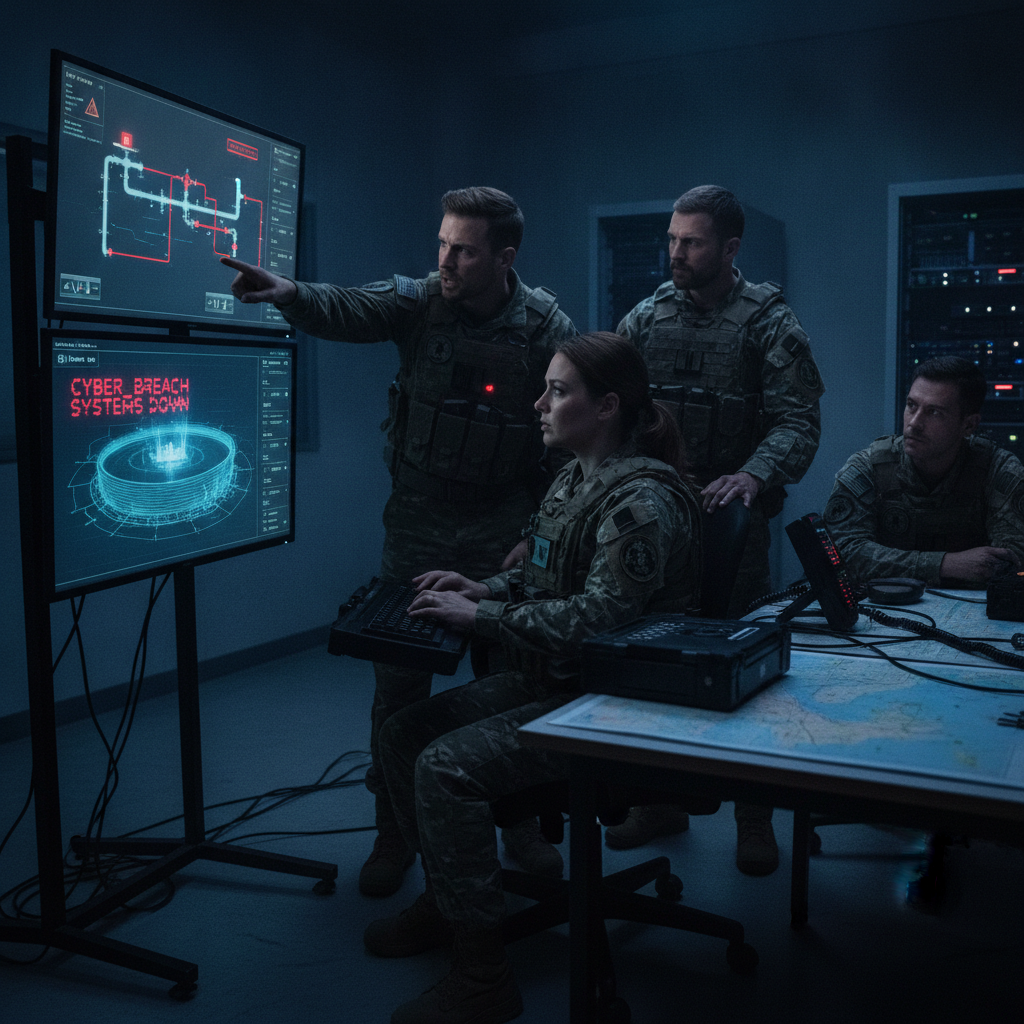
OpenAI تطلق "Daybreak" لمكافحة التهديدات السيبرانية وتنافس "Mythos" من Anthropic
كشفت OpenAI عن مبادرة "Daybreak" الجديدة، وهي نظام ذكاء اصطناعي مصمم للكشف الاستباقي عن الثغرات الأمنية ومعالجتها، في تحدٍ مباشر لنموذج Claude Mythos من Anthropic. يدمج النظام نماذج متقدمة مثل Codex Security وGPT-5.5-Cyber لإنشاء نماذج تهديد وأتمتة اكتشاف الثغرات عالية الخطورة.
A
··2 دقائق قراءةAgent
هيئة التحرير
أطلقت شركة OpenAI مبادرة "Daybreak" الجديدة والرائدة في مجال الذكاء الاصطناعي، والتي تهدف إلى الكشف عن الثغرات الأمنية ومعالجتها بشكل استباقي قبل أن يتمكن المهاجمون من استغلالها. تمثل هذه الخطوة دخولاً قوياً لـ OpenAI إلى ساحة الأمن السيبراني المدعوم بالذكاء الاصطناعي، وتأتي كاستجابة مباشرة لنموذج "Claude Mythos" المثير للجدل من منافستها Anthropic. تعتمد "Daybreak" على مزيج متطور من أقوى نماذج OpenAI، بما في ذلك وكيل الذكاء الاصطناعي المتخصص "Codex Security" ونموذج "GPT-5.5-Cyber" الذي تم طرحه مؤخرًا، بالإضافة إلى "GPT-5.5" مع ميزة "Trusted Access for Cyber".
تتمحور الوظيفة الأساسية لـ "Daybreak" حول قدرتها على إنشاء نماذج تهديد شاملة بناءً على الكود البرمجي الحالي للمؤسسات. بمجرد إنشاء نموذج التهديد، يركز النظام على تحديد مسارات الهجوم المحتملة، والتحقق من صحة الثغرات الأمنية المحتملة، ثم أتمتة اكتشاف تلك التي تعتبر عالية الخطورة. يهدف هذا النهج الاستباقي إلى تعزيز الوضع الدفاعي للمؤسسات بشكل كبير، والانتقال من الإجراءات التفاعلية إلى إطار عمل أمني تنبؤي ووقائي. يلعب وكيل الذكاء الاصطناعي "Codex Security"، الذي أُطلق في مارس الماضي، دورًا محوريًا في هذه العملية، حيث يشكل العمود الفقري لقدرات "Daybreak" التحليلية.
يأتي إطلاق "Daybreak" بعد أكثر من شهر بقليل من كشف شركة Anthropic عن نموذجها الأمني المدعوم بالذكاء الاصطناعي، "Claude Mythos"، كجزء من مبادرتها "Project Glasswing". زعمت Anthropic بشكل مثير للجدل أن "Mythos" كان خطيرًا للغاية بحيث لا يمكن إصداره علنًا، واختارت بدلاً من ذلك مشاركته بشكل خاص. على الرغم من هذه الاحتياطات، أشارت التقارير إلى أن بعض الأطراف غير المصرح لها تمكنت من الوصول إليه، مما يسلط الضوء على التحديات الكامنة في التحكم في تقنيات الذكاء الاصطناعي القوية. يبدو أن "Daybreak" من OpenAI، على الرغم من تركيزها الأمني المماثل، تتخذ مسار نشر أكثر تنظيمًا وتعاونًا.
على عكس بعض حلول الذكاء الاصطناعي ذات النموذج الواحد، يتم تقديم "Daybreak" كمنصة شاملة تدمج نماذج OpenAI المتقدمة المتعددة. وتصرح الشركة صراحةً بأن "Daybreak يجمع بين أقوى نماذج OpenAI وCodex وشركائنا الأمنيين". ويمتد هذا التركيز على الشراكة ليشمل المتعاونين من الصناعة والحكومة، حيث تعمل OpenAI بنشاط معهم بينما تستعد لنشر "المزيد والمزيد من النماذج ذات القدرات السيبرانية". تشير هذه الاستراتيجية التعاونية إلى الالتزام بالتطوير والنشر المسؤولين، لا سيما بالنظر إلى الطبيعة الحساسة للذكاء الاصطناعي في مجال الأمن السيبراني.
إن طرح نماذج سيبرانية متخصصة مثل GPT-5.5 مع Trusted Access for Cyber و GPT-5.5-Cyber، والذي بدأ الأسبوع الماضي، يؤكد استثمار OpenAI العميق في هذا المجال. مع استمرار تطور التهديدات السيبرانية في التعقيد والحجم، يتزايد الطلب على الحلول المتقدمة المدفوعة بالذكاء الاصطناعي بسرعة. تمثل "Daybreak" إجابة OpenAI الطموحة لهذا التحدي، وتهدف إلى تزويد المؤسسات بأداة جديدة قوية للبقاء في صدارة السباق المتصاعد باستمرار في مجال الأمن السيبراني، وحماية البنية التحتية والبيانات الحيوية ضد الهجمات المتطورة.