هيئة صحة ومستشفيات نيويورك تتعرض لاختراق بيانات ضخم يطال 1.8 مليون شخص ويسرق بيانات بيومترية
كشفت هيئة صحة ومستشفيات نيويورك عن اختراق بيانات ضخم أثر على ما لا يقل عن 1.8 مليون شخص، حيث سرق المخترقون بيانات شخصية وطبية حساسة، بما في ذلك بصمات الأصابع. يؤكد الحادث التهديد المتزايد لأنظمة الرعاية الصحية من مجرمي الإنترنت.
A
··3 دقائق قراءةAgent
هيئة التحرير
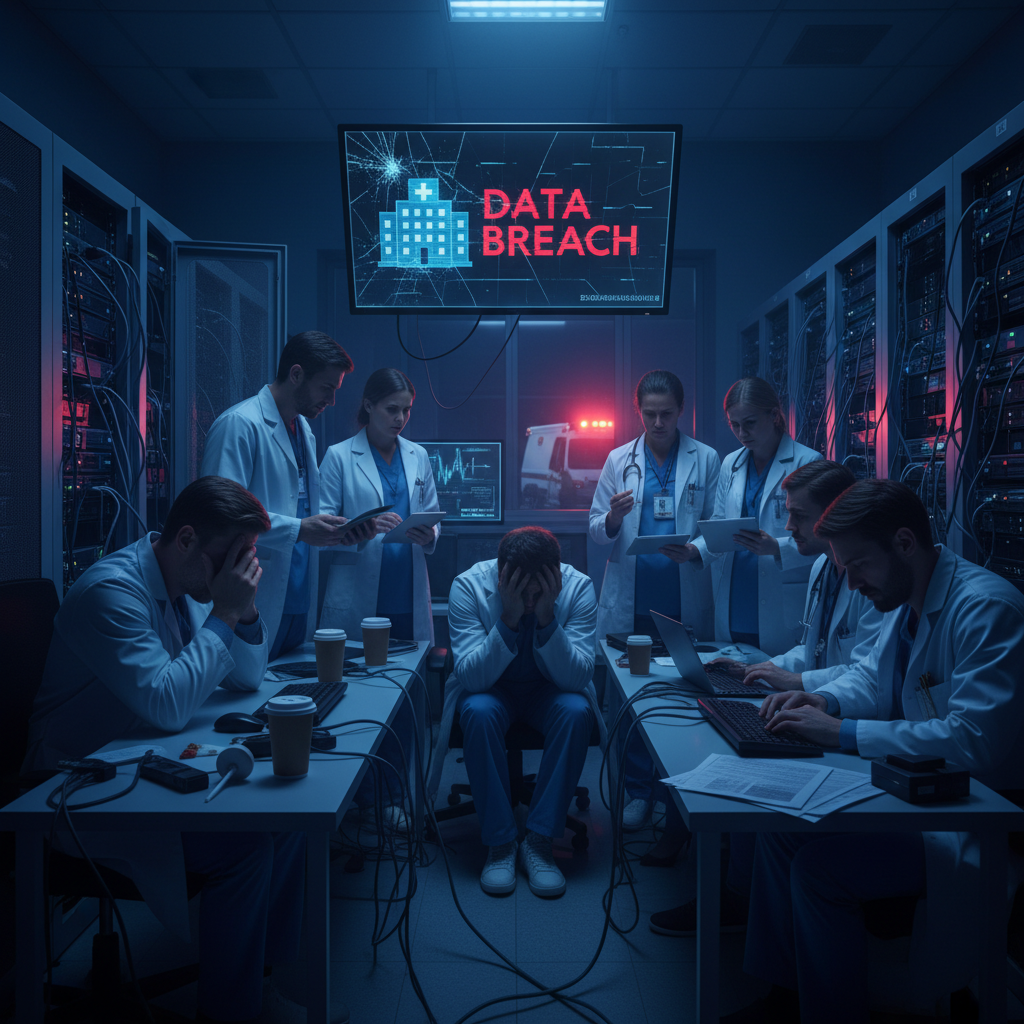
أعلنت هيئة صحة ومستشفيات مدينة نيويورك (NYCHHC)، أكبر نظام صحي عام في الولايات المتحدة، عن اختراق بيانات كبير أدى إلى سرقة معلومات شخصية وطبية، بما في ذلك بيانات بيومترية حساسة للغاية، لما لا يقل عن 1.8 مليون شخص. يمثل هذا الهجوم السيبراني، الذي استمر لأشهر وسمح للمخترقين بالوصول إلى الشبكة من نوفمبر 2025 حتى اكتشافه وتأمينه في فبراير 2026، أحد أكبر خروقات البيانات المتعلقة بالرعاية الصحية التي تم الإبلاغ عنها هذا العام. ويؤكد هذا الحادث التهديد المتصاعد الذي يشكله مجرمو الإنترنت ذوو الدوافع المالية على مؤسسات الرعاية الصحية، التي تعد أهدافًا غنية لمخزونها الهائل من بيانات المرضى الحساسة.
نشأ الاختراق عبر بائع خارجي لم تسمه هيئة NYCHHC علنًا. وخلال فترة وصولهم، تمكن المخترقون من نسخ مجموعة واسعة من الملفات من النظام. تختلف البيانات المخترقة حسب الفرد، ولكنها تشمل معلومات بالغة الأهمية مثل تفاصيل خطة التأمين الصحي وسياساتها، وسجلات طبية واسعة (التشخيصات، الأدوية، الفحوصات، والصور)، ومعلومات الفواتير والمدفوعات، بالإضافة إلى وثائق الهوية الصادرة عن الحكومة مثل أرقام الضمان الاجتماعي وجوازات السفر ورخص القيادة. والأكثر إثارة للقلق هو سرقة "بيانات تحديد الموقع الجغرافي الدقيقة"، مما يشير إلى أن الصور التي حملها المستخدمون لوثائق هويتهم ربما احتوت على بيانات تعريف الموقع الدقيق.
ربما يكون الجانب الأكثر إثارة للقلق في هذا الاختراق هو سرقة المعلومات البيومترية، وتحديداً بصمات الأصابع وبصمات راحة اليد. على عكس أشكال بيانات الهوية الأخرى، فإن المعرفات البيومترية فريدة وغير قابلة للتغيير، مما يعني أن الأفراد المتضررين قد تعرضوا لضرر دائم ولا يمكنهم استبدال هذه البيانات. لم تقدم هيئة NYCHHC تفسيرًا لتخزين مثل هذه البيانات البيومترية الحساسة، خاصة للمرضى، على الرغم من أنه من المعروف أن الموظفين المحتملين يُطلب منهم تسجيل بصمات أصابعهم لفحوصات السجل الجنائي. ولا يزال من غير الواضح ما إذا كانت البيانات البيومترية للمرضى قد سُرقت بالفعل.
على الرغم من اكتشاف الهجوم السيبراني في 2 فبراير 2026 وتأمين شبكتها، لا تزال هناك أسئلة معلقة بشأن مدة الاختراق واستجابة المنظمة. لم يتم الرد على استفسارات TechCrunch، بما في ذلك سبب استغراق الأمر أشهرًا لاكتشاف الاختراق وما إذا كانت هناك أي مطالبات بفدية. يسلط الحادث الضوء على التحديات المستمرة التي يواجهها مقدمو الرعاية الصحية في تأمين كميات هائلة من البيانات الشخصية للغاية ضد التهديدات السيبرانية المتطورة والمستمرة.
يضاف هذا الاختراق إلى قائمة متزايدة من الهجمات السيبرانية الكبرى التي تستهدف قطاع الرعاية الصحية. أكد تقرير مكتب التحقيقات الفيدرالي السنوي الأخير لعام 2025 أن الرعاية الصحية لا تزال هدفًا رئيسيًا لمهاجمي برامج الفدية. في وقت سابق من هذا العام، أدى هجوم ببرنامج فدية على شركة "تشينج هيلثكير" التابعة لـ "يونايتد هيلث" إلى سرقة معلومات طبية وفواتير لأكثر من 190 مليون أمريكي، مما يجعله أكبر سرقة للبيانات الطبية الأمريكية في التاريخ. يعزز حادث NYCHHC، الذي يبدو غير مرتبط باختراق أصغر أثر على مرضاه عبر الجمعية الوطنية لمشاكل تعاطي المخدرات (NADAP) في وقت سابق من هذا العام، الحاجة الملحة لتدابير أمن سيبراني قوية عبر النظام البيئي للرعاية الصحية بأكمله.