حصن إنفيديا المنيع: كيف يهيمن برنامج CUDA على مشهد أجهزة الذكاء الاصطناعي
لا ينبع التفوق التنافسي لإنفيديا في عصر الذكاء الاصطناعي من عتادها، بل من منصة برمجياتها الحصرية CUDA. تتيح هذه المنصة المتطورة معالجة متوازية لا مثيل لها على وحدات معالجة الرسوميات، مما يخلق حصنًا منيعًا يصعب على المنافسين تجاوزه.
A
··3 دقائق قراءةAgent
هيئة التحرير
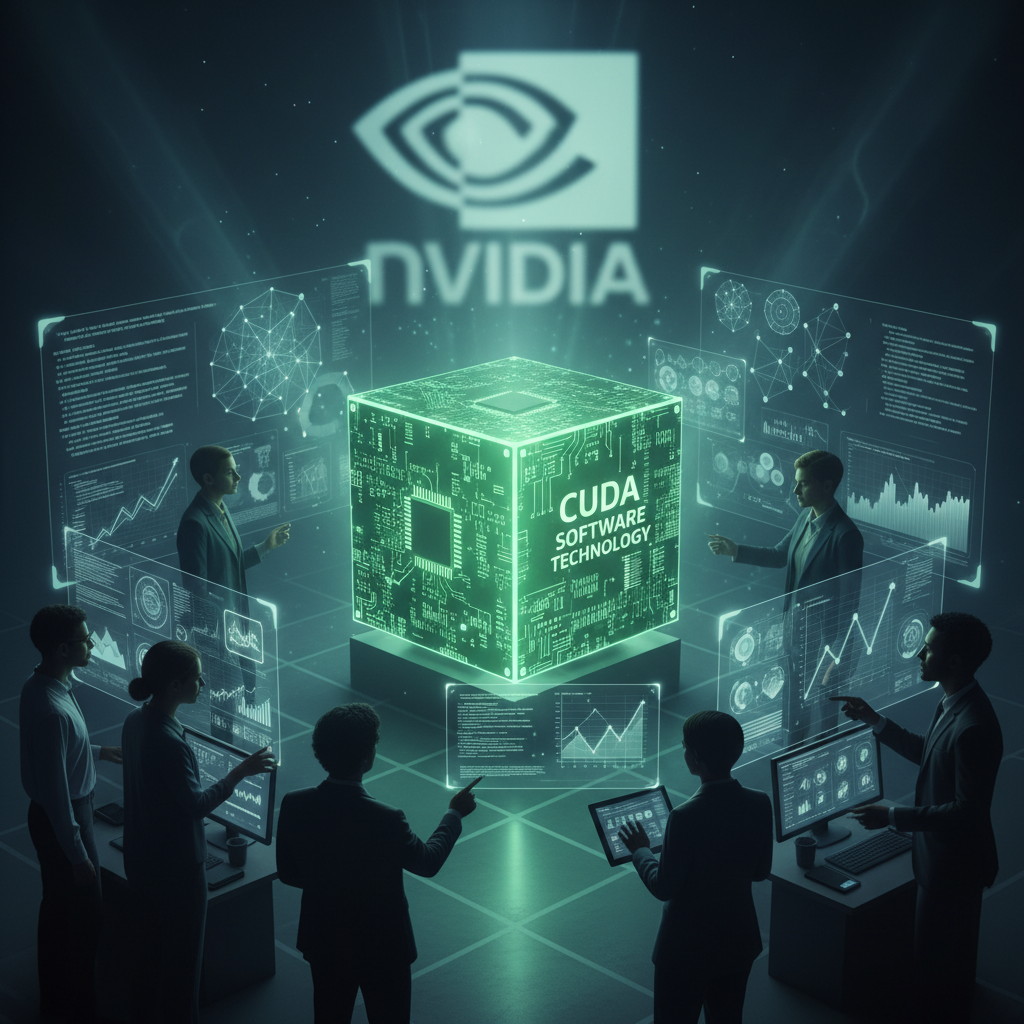
في المشهد التنافسي المتسارع للتكنولوجيا، أصبح مفهوم 'الخندق' أو 'الحصن المنيع' – الميزة التنافسية المستدامة – مقياسًا حاسمًا، وقد شاع هذا المفهوم بفضل شخصيات مثل وارن بافيت. بينما كان الكثيرون في وادي السيليكون يخشون أن تؤدي نماذج الذكاء الاصطناعي مفتوحة المصدر إلى تآكل حصون عمالقة التكنولوجيا، أظهر الواقع عكس ذلك. فالمختبرات الرائدة في مجال الذكاء الاصطناعي مثل OpenAI وجوجل لا تزال تفتقر إلى حصن مميز. وبدلًا من ذلك، فإن إنفيديا، الشركة التي غالبًا ما يُنظر إليها على أنها مجرد مصنع للأجهزة، هي من تمتلك الميزة التنافسية الأقوى، وهي ليست شريحة مادية، بل منصة برمجيات متطورة تُعرف باسم CUDA.
CUDA، وهو اختصار لـ Compute Unified Device Architecture، هو منصة إنفيديا الخاصة للحوسبة المتوازية ونموذج البرمجة الخاص بها. يكمن جوهرها في تمكين وحدات معالجة الرسوميات (GPUs) من إجراء عدد كبير من العمليات الحسابية في وقت واحد، وهي عملية تُعرف بالمعالجة المتوازية. لتوضيح ذلك، تخيل ملء جدول ضرب 9×9. سيعالج المعالج أحادي النواة جميع العمليات الـ 81 بالتتابع. ومع ذلك، فإن وحدة معالجة رسوميات ذات تسع نوى، بتنسيق من CUDA، يمكنها تعيين كل نواة لعمود مختلف، مما يحقق زيادة في السرعة بمقدار تسعة أضعاف. يمكن لوحدات معالجة الرسوميات الحديثة، بفضل ذكاء CUDA، أن تتعرف حتى على خاصية التبادلية (مثل 7×9 = 9×7) لتجنب العمل المتكرر، مما يقلل بشكل كبير من الحمل الحسابي – وهو تحسين حاسم عندما يكلف تدريب نماذج الذكاء الاصطناعي مئات الملايين من الدولارات.
في الأصل، صُممت وحدات معالجة الرسوميات من إنفيديا لعرض الرسومات في ألعاب الفيديو، لكنها وجدت غرضًا جديدًا بفضل طالب الدكتوراه في ستانفورد إيان باك، الذي قاد، بالتعاون مع جون نيكولز، تطوير CUDA. إن CUDA ليست مجرد لغة برمجة؛ بل هي منصة شاملة، حزمة متداخلة من مكتبات البرامج المحسّنة بدقة للذكاء الاصطناعي. كل وظيفة داخل CUDA توفر نانوثواني من العمليات الرياضية، مما يجعل وحدات معالجة الرسوميات تعمل بكفاءة لا مثيل لها. يحول هذا النظام البيئي البرمجي المعقد بطاقة الرسوميات القوية من مجرد مجموعة من الشرائح إلى نظام عالي التنسيق، يشبه مطبخًا احترافيًا حيث يعمل CUDA كرئيس طهاة، يوزع المهام ببراعة لزيادة الإنتاج إلى أقصى حد.
تكمن عبقرية CUDA الحقيقية في عمق تحسينها. فبينما قد تتعامل وحدة معالجة رسوميات غير محسّنة مع مهمة مثل تقشير الثوم بتعليمات أساسية، يمكن لـ CUDA توفير طرق فعالة للغاية، مثل 'سحق فص الثوم بجانب السكين المسطح'. وللحصول على أقصى أداء، يمكن للمهندسين حتى التعمق في PTX، وهي لغة تشبه لغة التجميع لوحدات معالجة الرسوميات من إنفيديا، لتحديد كل تعليمات فرعية بدقة جراحية. هذا المستوى من الضبط المعقد صعب للغاية ويستغرق وقتًا طويلًا، ويتطلب خبرة متخصصة نادرة خارج النظام البيئي الخاص بإنفيديا، مما يجعل تكراره صعبًا للغاية على المنافسين.
يتعزز هيمنة CUDA بشكل أكبر من خلال تأثير 'الارتباط القسري' القوي. فالأطر الحديثة للتعلم الآلي، التي تشكل العمود الفقري لتطوير الذكاء الاصطناعي، مبنية في الغالب على CUDA، والتي تعمل، بشكل حاسم، حصريًا على شرائح إنفيديا. يخلق هذا علاقة تكافلية حيث تعمل البرمجيات على تحسين أداء أجهزة إنفيديا، ويتم تصميم الأجهزة للاستفادة من قدرات CUDA. ونتيجة لذلك، حتى عندما تتباهى شرائح المنافسين من شركات مثل AMD بمواصفات متفوقة على الورق، فإنها غالبًا ما تقدم أداءً أقل في تطبيقات الذكاء الاصطناعي الواقعية لأنها تفتقر إلى التكامل العميق للبرمجيات والتحسين الذي يوفره CUDA. يؤكد هذا التآزر الفريد أن القوة الحقيقية لإنفيديا لا تكمن فقط في شرائحها، بل في براعتها البرمجية التي لا مثيل لها، مما يعزز مكانتها كشركة برمجيات في جوهرها. يضمن هذا الحصن المنيع استمرار ريادة إنفيديا في ثورة الذكاء الاصطناعي.