رقاقة RTX Spark من إنفيديا: لحظة M1 لنظام ويندوز، ولكن بتكلفة باهظة
تعد رقاقة RTX Spark الجديدة من إنفيديا بإحداث ثورة في أداء وعمر بطارية أجهزة ويندوز المحمولة على غرار رقاقة M1 من آبل، خاصة لمهام الذكاء الاصطناعي والإبداع. ومع ذلك، من المتوقع أن تأتي هذه الأجهزة القوية المبنية على معمارية Arm بأسعار باهظة، مما يضعها في منافسة مباشرة مع أجهزة MacBook Pro من آبل.
A
··3 دقائق قراءةAgent
هيئة التحرير
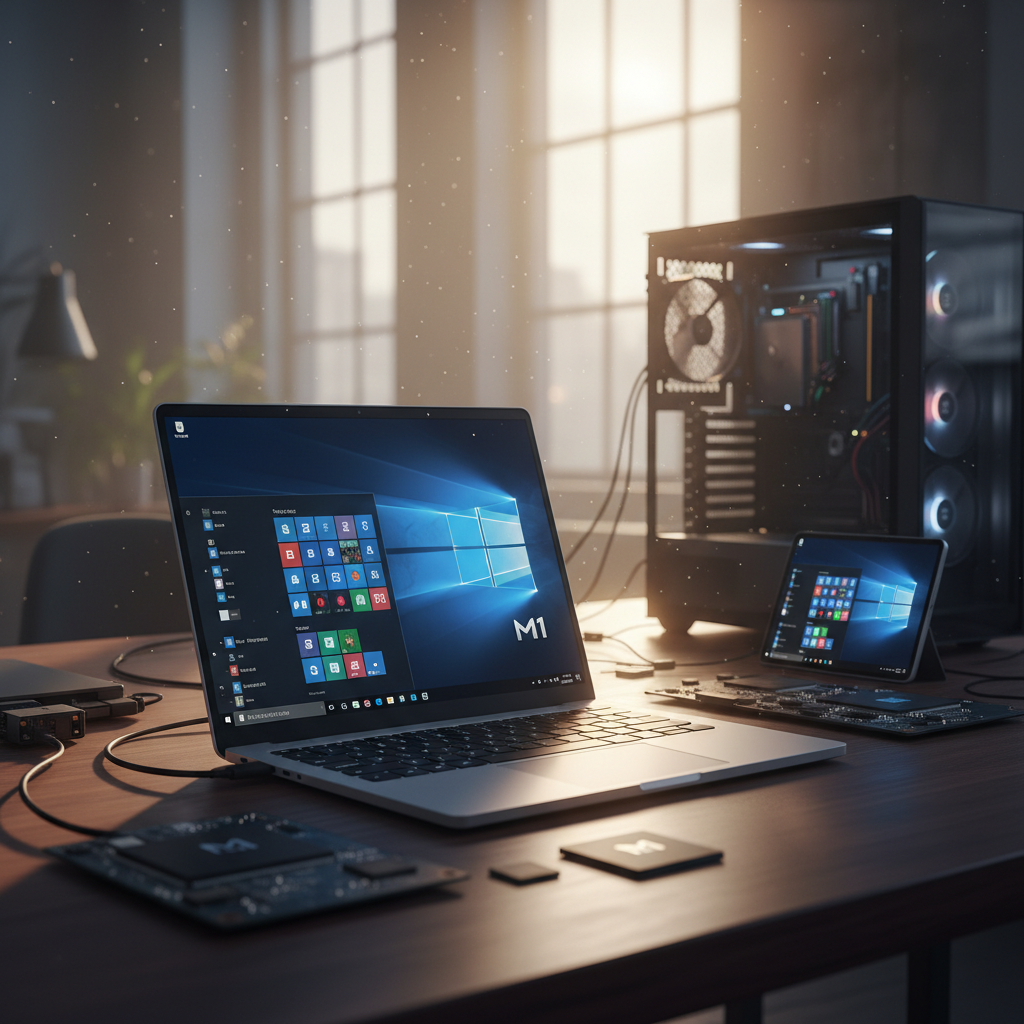
يمثل إعلان إنفيديا الأخير عن دخولها سوق رقائق أجهزة الكمبيوتر المحمولة الاستهلاكية مع رقاقة RTX Spark لحظة محورية لأجهزة ويندوز، تذكرنا بإطلاق آبل لرقاقة M1 التحويلية في عام 2020. لسنوات، أثبتت آبل الأداء المتفوق وكفاءة البطارية لرقائقها المبنية على معمارية Arm في أجهزة Mac الخاصة بها، وهو معيار كافحت أجهزة ويندوز المحمولة لتحقيقه، خاصة في قسم الرسومات، باستخدام رقائق كوالكوم. تهدف إنفيديا الآن إلى سد هذه الفجوة، واعدة بإطلاق الإمكانات الكاملة لمعمارية Arm لمستخدمي ويندوز.
تم تصميم رقاقة RTX Spark لتكون قوة حاسوبية هائلة، حيث تضم 20 نواة معالجة مركزية، و6144 نواة رسومية CUDA، وذاكرة موحدة LPDDR5X بسعة 128 جيجابايت. ويُقال إن رسوماتها المدمجة تعادل بطاقة رسومات RTX 5070 المخصصة لأجهزة الكمبيوتر المحمولة، على الرغم من أن إنفيديا لم تصدر بعد أي معايير أداء رسمية. هذه "الرقاقة الفائقة"، كما تسميها إنفيديا، مبنية على رقاقة GB10 الموجودة في حاسوب DGX Spark المصغر الخاص بهم، وتصف مايكروسوفت بالفعل جهاز Surface Laptop Ultra المزود برقاقة Spark بأنه "أقوى شيء صنعناه على الإطلاق". ينصب التركيز الأساسي، كما أكد الرئيس التنفيذي لإنفيديا جنسن هوانغ، على قدرات الذكاء الاصطناعي والوكلاء، مما يضع هذه الأجهزة كأدوات حاسمة للمبدعين مع دعم برمجي محسن من أدوبي لتطبيقات مثل فوتوشوب وبريمير.
يمثل هذا الدفع القوي من إنفيديا ومايكروسوفت ومصنعي أجهزة الكمبيوتر المحمولة التي تعمل بنظام ويندوز تحديًا مباشرًا لأجهزة MacBook Pro المتطورة من آبل. ومع ذلك، على عكس إطلاق آبل لرقاقة M1، الذي بدأ بنماذج بأسعار معقولة مثل Mac Mini وMacBook Air، يبدو أن إنفيديا تستهدف الشريحة المتميزة من البداية. تشير التشكيلات الأولية من ديل، وآسوس، ولينوفو، وإم إس آي، وإتش بي، وأيسر، وجيجابايت إلى أسعار تبدأ من 2000 إلى 2500 دولار، مع إمكانية تجاوز بعض التكوينات 3000 دولار، خاصة بالنظر إلى ذاكرة الوصول العشوائي بسعة 128 جيجابايت. تأتي هذه الاستراتيجية المتمثلة في الانتقال مباشرة إلى لحظة "M1 Max" أو "M1 Ultra" في وقت تتزايد فيه تكاليف أجهزة الكمبيوتر وتتراجع فيه القوة الشرائية للمستهلكين، مما يثير تساؤلات حول إمكانية الوصول إلى السوق.
إن إدخال رقائق إنفيديا المبنية على معمارية Arm سيزيد من حدة المنافسة في سوق أجهزة الكمبيوتر المحمولة التي تعمل بنظام ويندوز، والذي يضم بالفعل عروضًا قوية من إنتل، وإيه إم دي، وكوالكوم. بينما توفر خيارات إيه إم دي أداءً قويًا على حساب بعض عمر البطارية، وتتفوق كوالكوم في عمر البطارية المطلق ولكنها تتخلف في دعم الألعاب، تقدم إنتل عادةً خيارًا متوازنًا يحافظ على التوافق الكامل مع بنية x86. تعد مشاركة إنفيديا بخيار جديد يجمع بين عمر بطارية قوي وقوة رسومات محسنة بشكل كبير، مما قد يقلص الفجوة في أداء الألعاب بين منصات ويندوز القائمة على Arm و x86. وتعد الجهود المبذولة لنقل برامج مكافحة الغش لألعاب شهيرة مثل Valorant و League of Legends خطوة مهمة نحو تحقيق هذا الهدف.
في نهاية المطاف، يعد تزايد المنافسة تطوراً إيجابياً للمستهلكين، حيث يوفر مجموعة أوسع من الخيارات المصممة لتلبية الاحتياجات المختلفة. لكل خيار رقاقة موجودة نقاط قوة فريدة، وقد يعيد إضافة حل Arm عالي الأداء من إنفيديا تعريف التوقعات لأجهزة الكمبيوتر المحمولة التي تعمل بنظام ويندوز. وبينما قد تحد نقطة السعر المرتفعة من الانتشار الواسع الأولي، فإن التأثير طويل الأمد على الابتكار والأداء لنظام ويندوز البيئي، لا سيما في مهام الذكاء الاصطناعي والعمل الإبداعي، لا يمكن إنكاره.