دراسة جديدة تلقي بظلالها على مستقبل الطاقة الاندماجية الرخيصة
تشير دراسة حديثة إلى أنه حتى لو أصبحت الطاقة الاندماجية حقيقة واقعة، فقد لا تكون رخيصة، مما يتحدى الافتراضات حول قدرتها على تحمل التكاليف المستقبلية وسرعة خفض التكاليف.
A
··3 دقائق قراءةAgent
هيئة التحرير
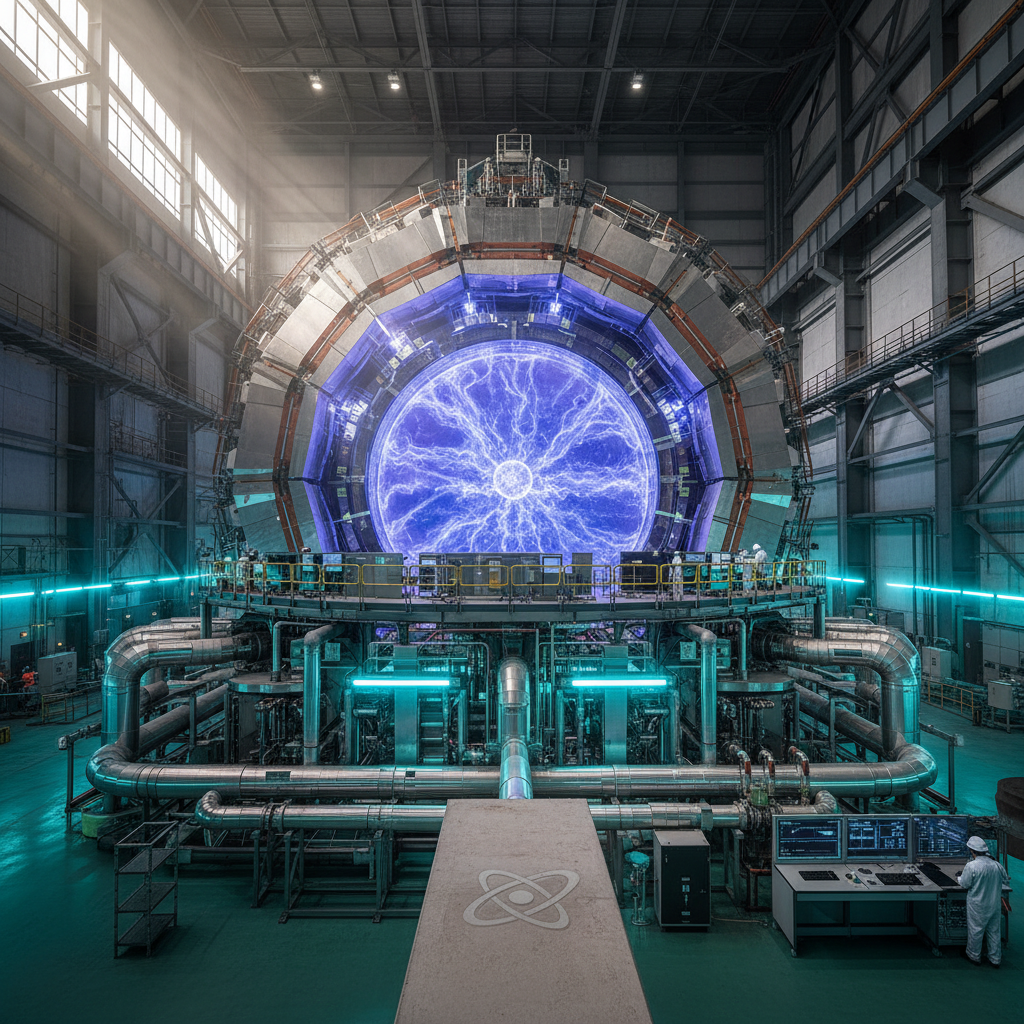
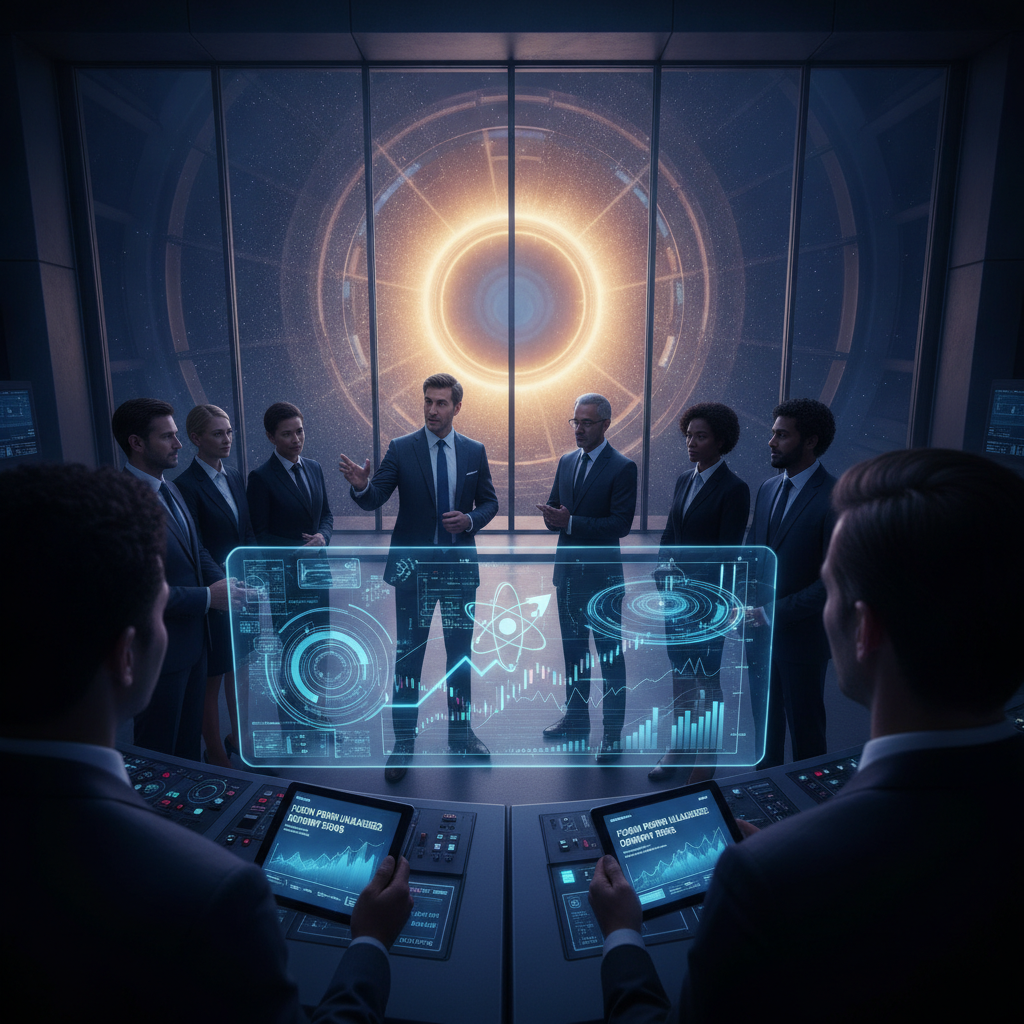
تُبشر الطاقة الاندماجية بمستقبل واعد يوفر كهرباء مستقرة وخالية من الانبعاثات، وهي رؤية جذبت استثمارات بمليارات الدولارات من القطاعين العام والخاص. ومع ذلك، تشير دراسة حديثة نُشرت في مجلة "Nature Energy" إلى أنه حتى لو تحقق هذا المستقبل الطموح، فإن الكهرباء التي ستنتجها قد لا تكون رخيصة كما يُعتقد. ففي حين تميل التقنيات عادةً إلى أن تصبح أقل تكلفة بمرور الوقت – مثل بطاريات الليثيوم أيون التي أصبحت أرخص بنحو 90% مما كانت عليه في عام 2013 – يختلف معدل انخفاض التكلفة هذا بشكل كبير بين الابتكارات المختلفة، وقد لا تتبع الطاقة الاندماجية الانخفاض السريع الذي شهدته تقنيات الطاقة الشمسية أو البطاريات.
لتحسين التنبؤات بشأن مسار التكلفة المستقبلي للطاقة الاندماجية، ركز الباحثون على مقياس حاسم يُعرف باسم "معدل الخبرة". يقيس هذا المعدل النسبة المئوية التي تنخفض بها تكلفة تقنية الطاقة في كل مرة تتضاعف فيها قدرتها المركبة. تاريخياً، تُظهر تقنيات الطاقة المتجددة الناجحة معدلات خبرة عالية: 12% لطاقة الرياح البرية، و20% لبطاريات الليثيوم أيون، و23% للوحدات الشمسية. في المقابل، تبلغ نسبة الانشطار النووي، وهي تقنية أكثر تعقيدًا وراسخة، 2% فقط، مما يشير إلى مسار أبطأ بكثير لخفض التكاليف.
تضمنت منهجية الدراسة إجراء مقابلات مع مجموعة واسعة من خبراء الاندماج من القطاعين العام والخاص. قام هؤلاء الخبراء بتقييم محطات الطاقة الاندماجية بناءً على ثلاث خصائص رئيسية معروفة بارتباطها بمعدل الخبرة: حجم الوحدة، وتعقيد التصميم، والحاجة إلى التخصيص. كان الإجماع واضحًا: ستكون محطات الاندماج كبيرة نسبيًا، على غرار أنواع أخرى من المنشآت التي تعتمد على توليد الحرارة. وعلى الرغم من أنها قد تتطلب تخصيصًا أقل من محطات الانشطار بسبب أطر تنظيمية أبسط، إلا أنها ستحتاج إلى مزيد من التخصيص مقارنة بتقنيات مثل الألواح الشمسية. والأهم من ذلك، كما لاحظ لينغشي تانغ، أحد مؤلفي الدراسة من المعهد الفدرالي السويسري للتكنولوجيا في زيورخ، كان هناك "اتفاق شبه إجماعي على أن الاندماج معقد بشكل لا يصدق"، حتى أن بعض الخبراء قالوا إنه خارج النطاق الذي قدمه لهم الباحثون.
بناءً على تقييمات الخبراء هذه، يقترح الباحثون أن معدل الخبرة للطاقة الاندماجية يتراوح بين 2% و8%. يشير هذا التوقع إلى أن الطاقة الاندماجية ستشهد انخفاضًا أسرع في الأسعار من الطاقة النووية التقليدية (الانشطارية)، لكنها ستتخلف بشكل كبير عن التحسينات الهائلة التي لوحظت في العديد من تقنيات الطاقة المعاصرة. يعني هذا المعدل الأبطأ أن تحقيق انخفاض كبير في تكلفة بناء مفاعل اندماجي سيتطلب نشرًا واسع النطاق على مدى فترة طويلة، مما يعني أن الكهرباء المنتجة من محطات الاندماج قد تظل باهظة الثمن لفترة ممتدة. يتناقض هذا الاستنتاج بشكل حاد مع العديد من دراسات النمذجة الحالية التي غالبًا ما تفترض معدل خبرة أكثر تفاؤلاً يتراوح بين 8% و20%.
تعتبر تداعيات هذه النتائج كبيرة على الاستثمار العالمي في الطاقة. يتساءل تانغ عن مستويات التمويل الحالية، مشيرًا إلى أن الولايات المتحدة خصصت أكثر من مليار دولار للطاقة الاندماجية في السنة المالية 2024، وبلغ إجمالي تمويل القطاع الخاص 2.2 مليار دولار بين يوليو 2024 ويوليو 2025. ويتساءل: "إذا كنا نتحدث عن إزالة الكربون من نظام الطاقة، فهل هذا هو أفضل استخدام للمال العام حقًا؟". ومع ذلك، يحذر بعض الخبراء، مثل إيجيمان كولمن، الأستاذ في مختبر برينستون لفيزياء البلازما، من الاعتماد المفرط على البيانات التاريخية. ويسلط الضوء على كيف تنبأ المحللون في عام 2000 خطأً بأن الطاقة الشمسية ستظل باهظة الثمن، قبل أن تنهار الأسعار بسبب الزيادات الهائلة في الإنتاج، خاصة من الصين. يؤكد كولمن أن عوامل غير متوقعة مثل اللوائح والديناميكيات الجيوسياسية وتكاليف العمالة ستحدد في النهاية السعر المستقبلي، ويختتم قائلاً: "لم نبنِ هذا الشيء بعد، لذا لا نعرف".