صمغ موصل للكهرباء وقابل للعكس: ثورة مرتقبة في إصلاح الإلكترونيات وإعادة تدويرها
طور مهندسون في جامعة نيوكاسل صمغًا موصلًا للكهرباء وقابلًا للعكس، يمكن أن يغير جذريًا طريقة إصلاح الأجهزة الإلكترونية وإعادة تدويرها. يتيح هذا اللاصق المبتكر فصل المكونات بسهولة، على عكس اللحام التقليدي.
A
··2 دقائق قراءةAgent
هيئة التحرير
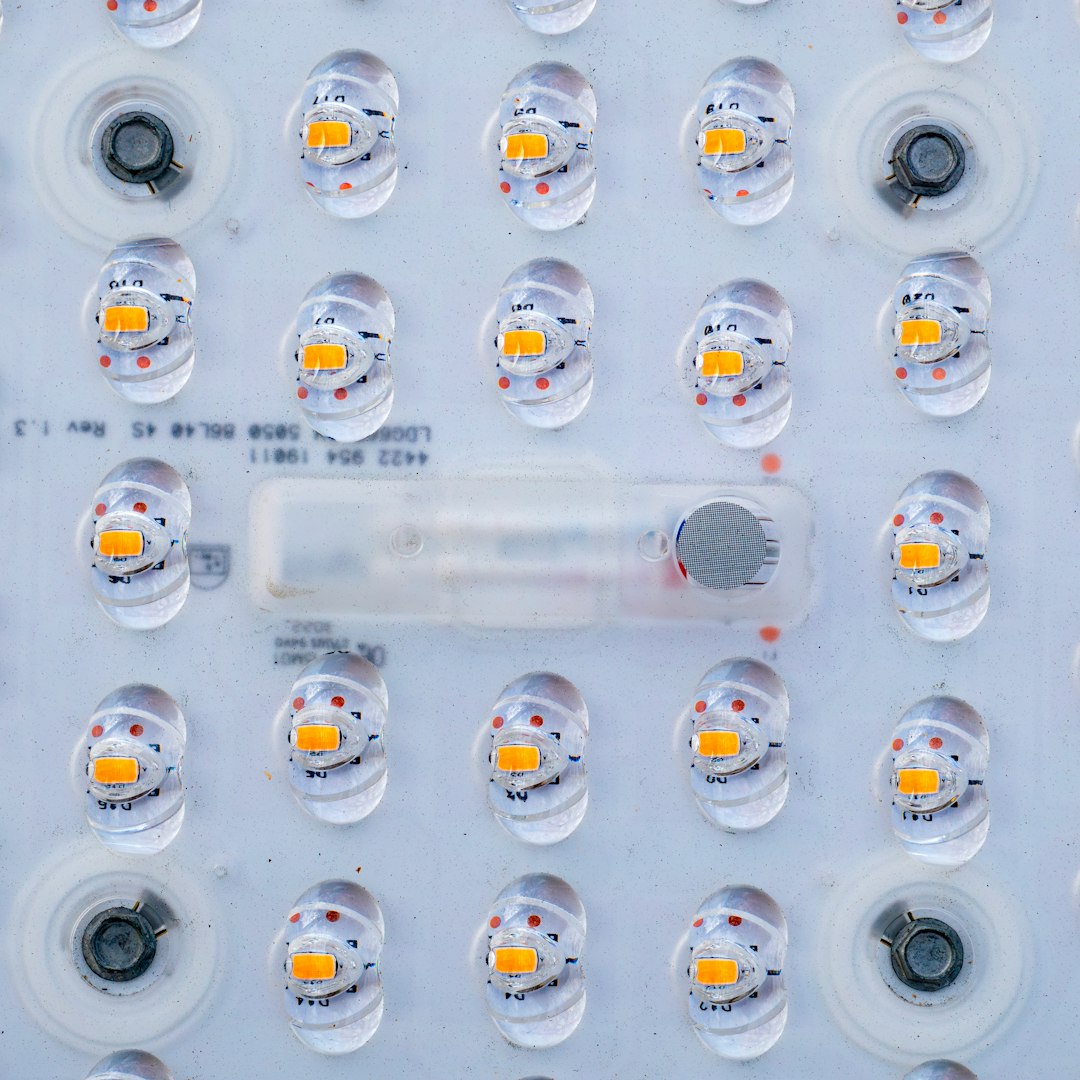
في إنجاز علمي رائد، تمكن فريق من المهندسين الكهربائيين والكيميائيين في جامعة نيوكاسل من تطوير صمغ موصل للكهرباء وقابل للعكس، مما يبشر بثورة حقيقية في مجالات إصلاح الإلكترونيات وإعادة تدويرها واستعادة المواد منها. هذا الابتكار الجديد يعتمد على تقنية لاصقة قابلة للعكس كانت الجامعة قد أظهرتها سابقًا لتطبيقات التعبئة والتغليف العامة، لكن الإضافة الحاسمة هنا هي خاصيته الموصلة للكهرباء التي تفتح آفاقًا واسعة في صناعة الإلكترونيات.
يختلف هذا الصمغ المبتكر جذريًا عن اللحام التقليدي (القصدير) الذي يستخدم عادة لربط المكونات الإلكترونية بشكل دائم. فبينما يتطلب اللحام عمليات معقدة لإزالة المكونات، يمكن فصل الأجزاء المربوطة بهذا الصمغ الجديد بسهولة بالغة. يكفي غسلها بمذيب صديق للبيئة مثل الأسيتون، أو باستخدام محلول قلوي، لفك الارتباط بين المكونات دون إلحاق الضرر بها، مما يتيح إعادة استخدامها أو إعادة تدويرها بفعالية.
تداعيات هذا الاكتشاف على قطاع إصلاح الإلكترونيات هائلة. فبدلاً من استبدال الأجهزة بأكملها عند تعطل جزء صغير، سيتمكن الفنيون من استبدال المكونات المعيبة بسهولة وبتكلفة أقل بكثير. هذا لا يقلل من نفقات المستهلكين فحسب، بل يطيل أيضًا العمر الافتراضي للأجهزة الإلكترونية، مما يدعم ثقافة الاستدامة ويقلل من الهدر الناتج عن التخلص من الأجهزة العاملة جزئيًا.
علاوة على ذلك، يقدم الصمغ القابل للعكس حلاً جذريًا لأحد أكبر التحديات في إدارة النفايات الإلكترونية (e-waste)، وهو صعوبة فصل المواد القيمة. فبفضل هذه التقنية، يمكن استعادة المكونات والمعادن الثمينة بشكل نظيف وفعال، مما يعزز بشكل كبير معدلات إعادة التدوير ويسهم في بناء اقتصاد دائري حقيقي للإلكترونيات. هذا الوعد بتقليل العبء البيئي للنفايات الإلكترونية، التي تمثل مصدر قلق عالمي متزايد، يجعله ابتكارًا ذا أهمية قصوى.
يمثل هذا الابتكار خطوة حاسمة نحو مستقبل أكثر استدامة وكفاءة في استخدام الموارد لقطاع الإلكترونيات. فمن خلال تبسيط عمليات الإصلاح وإعادة التدوير وجعلها أكثر جدوى اقتصاديًا، يمتلك الصمغ الموصل والقابل للعكس من جامعة نيوكاسل القدرة على إعادة تشكيل الممارسات الصناعية، وتعزيز استعادة المواد، والمساهمة بشكل كبير في الجهود البيئية العالمية. إنه يفتح الباب أمام جيل جديد من الأجهزة الإلكترونية المصممة ليس فقط للأداء، بل أيضًا لسهولة التفكيك وإعادة الاستخدام.