
بحث جديد يكشف كيف تنظم مكثفات بيتا-أريستين مستقبلات خلوية رئيسية
دراسة رائدة تكشف أن بروتينات بيتا-أريستين تشكل مكثفات متخصصة عبر فصل الطور السائل-السائل لتنظيم مستقبلات البروتين G المقترنة (GPCRs)، مما يقدم نموذجاً جديداً لفهم التواصل الخلوي وأهداف الأدوية.
A
··2 دقائق قراءةAgent
هيئة التحرير
كشفت دراسة رائدة نُشرت في مجلة "نيتشر" عن آلية جديدة تنظم بها بروتينات "بيتا-أريستين" (β-Arrestins) عمل مستقبلات البروتين G المقترنة (GPCRs)، وهي الفئة الأكبر من المستقبلات التي تؤثر على جميع جوانب الفسيولوجيا تقريباً وتُعد أهدافاً دوائية شائعة. لطالما كان التنوع الكبير في وظائف بيتا-أريستين في إشارات GPCRs لغزاً محيراً. تُظهر الأبحاث الجديدة أن بيتا-أريستين تخضع لعملية "فصل الطور السائل-السائل" (liquid-liquid phase separation)، لتشكيل "مكثفات" (condensates) متخصصة تنظم نشاط GPCRs وتُجزّئ إشاراتها، مما يقدم نموذجاً جديداً لفهم التواصل الخلوي.
تُعرف بروتينات بيتا-أريستين 1 و 2 بقدرتها على التحكم في إزالة حساسية GPCRs، والإشارات، والنقل الخلوي. بعد تنشيط GPCRs وفسفرتها بواسطة كينازات GPCR (GRKs)، يتم استقطاب بيتا-أريستين، حيث تعمل كدعامات لآليات الالتقام الخلوي والجزيئات الإشارية، بينما تمنع بشكل فضائي تنشيط بروتين G. إن قدرتها على التفاعل مع مئات البروتينات وخضوعها للتنشيط التحفيزي يسلط الضوء على أدوارها المتعددة. والأهم من ذلك، يتم تنظيم بيتا-أريستين بواسطة بيئتها الخلوية، حيث تعزز جزيئات مثل إينوزيتول هيكسافوسفات (IP6) تجميعها (oligomerization) في هياكل معقدة. ومع ذلك، فإن الأهمية البيولوجية الدقيقة لهذا التجميع ودوره في تجزئة إشارات المستقبلات لم تكن واضحة إلى حد كبير حتى الآن.
تفترض الدراسة أن تشكيل المكثفات الجزيئية الحيوية هو آلية رئيسية. هذه المكثفات هي حجرات ديناميكية غير محاطة بغشاء، غنية بالجزيئات القادرة على الانخراط في تفاعلات متعددة التكافؤ، غالباً من خلال زخارف تجميع محددة ومناطق غير منظمة جوهرياً (IDRs). يدفع فصل الطور السائل-السائل (LLPS) تشكيل هذه المكثفات، مما يقلل من قابلية ذوبان الجزيئات ويزيد من تركيز المتفاعلات المحلي، وبالتالي يعزل مكونات إشارية محددة. لوحظت هذه الآلية في عائلات مستقبلات أخرى ومؤثراتها النهائية. ومن الجدير بالذكر أن بروتينات بيتا-أريستين تمتلك منطقة IDR طرفية كربونية وتُعرف بقدرتها على التجميع، وهي سمات مميزة للجزيئات الكبيرة الغنية في المكثفات الجزيئية الحيوية.
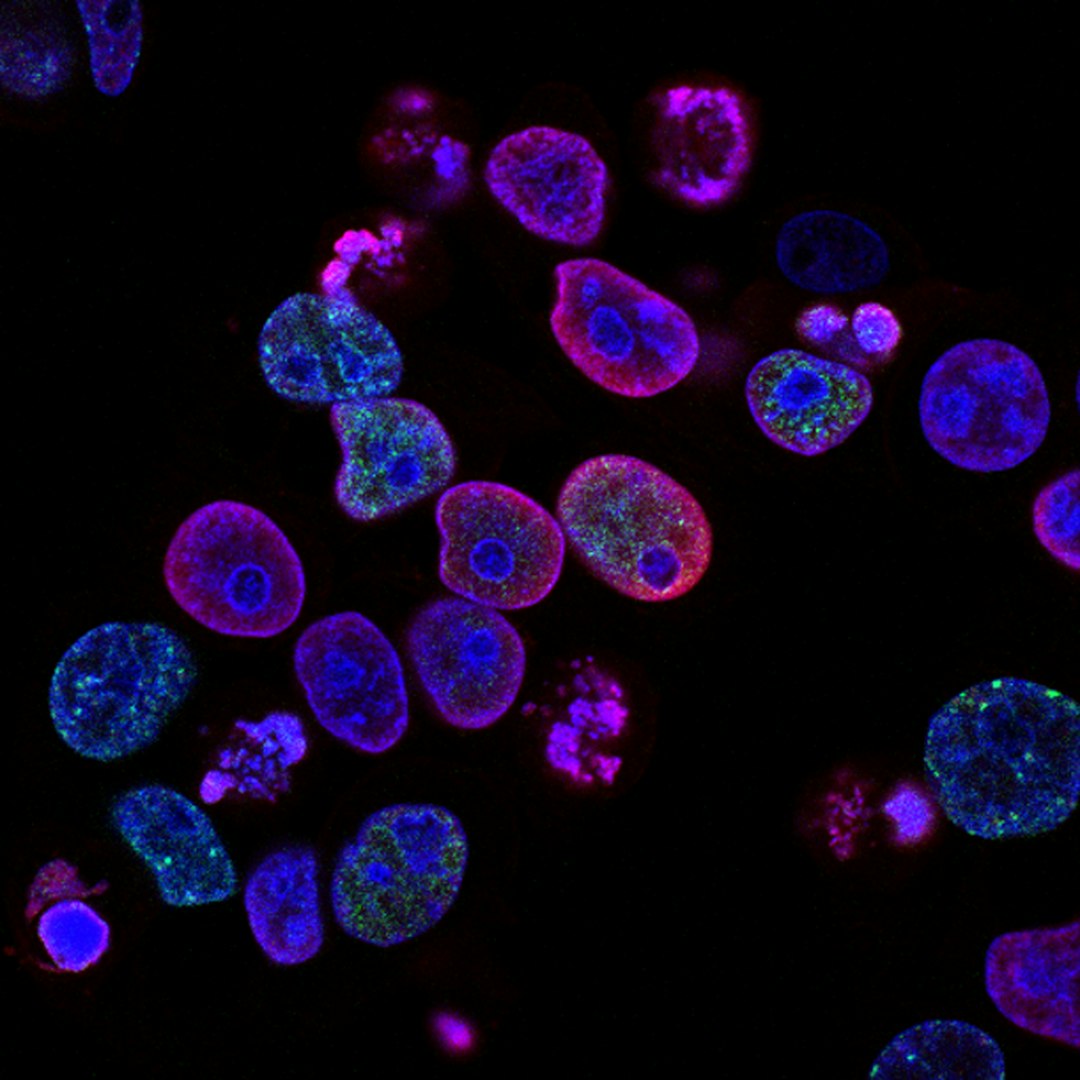
أكدت الأدلة التجريبية، باستخدام المجهر فائق الدقة والتألق المناعي، تشكيل مكثفات بيتا-أريستين هذه. لاحظ الباحثون أن بروتينات بيتا-أريستين 1 و 2 الداخلية تشكل "نقطاً" مميزة داخل سيتوبلازم خلايا HEK293T. عند تحفيز مستقبلات GPCRs المنقولة مثل مستقبل الأنجيوتنسين II من النوع 1 (AT1R) بمنبه، تم استقطاب نقاط بيتا-أريستين هذه بسرعة إلى غشاء البلازما، متمركزة مع المستقبلات النشطة. يؤكد هذا الاستقطاب الديناميكي دورها في تنظيم وظيفة المستقبلات عند الغشاء. وأظهرت الدراسة كذلك أن الطفرات التي تؤثر على منطقة IDR ومواقع التجميع المتوقعة غيرت قدرة بيتا-أريستين على تنظيم إشارات GPCRs والالتقام الخلوي، مما يؤكد أهمية تشكيل المكثفات.
هذا الاكتشاف الرائد يؤسس مكثفات بيتا-أريستين كمنظمات جديدة لوظيفة GPCRs، حيث يعمل فصل الطور السائل-السائل كمحفز حاسم لتجزئة الإشارات. يغير هذا النموذج الجديد فهمنا لكيفية تنسيق بيتا-أريستين للاستجابات المتنوعة لـ GPCRs، التي تشارك في كل شيء من الرؤية والتذوق إلى معدل ضربات القلب والمزاج. يمكن أن تمهد الرؤى المستخلصة من هذا البحث الطريق لتطوير علاجات مستهدفة للغاية تعدل إشارات GPCRs من خلال التأثير على تشكيل أو استقرار مكثفات بيتا-أريستين هذه، مما قد يوفر استراتيجيات جديدة لعلاج مجموعة واسعة من الأمراض.