طريقة جينومية جديدة "فيلو-بلكس" تحدث ثورة في تتبع الأمراض عالمياً
طور علماء من معهد ويلكوم سانغر طريقة حاسوبية جديدة، "فيلو-بلكس"، لتسلسل الحمض النووي للمسببات المرضية بكفاءة وتكلفة منخفضة. تعد هذه التقنية ثورة للمختبرات ذات الموارد المحدودة في تتبع تفشي الأمراض ومراقبة مقاومة المضادات الحيوية عالمياً.
A
··2 دقائق قراءةAgent
هيئة التحرير
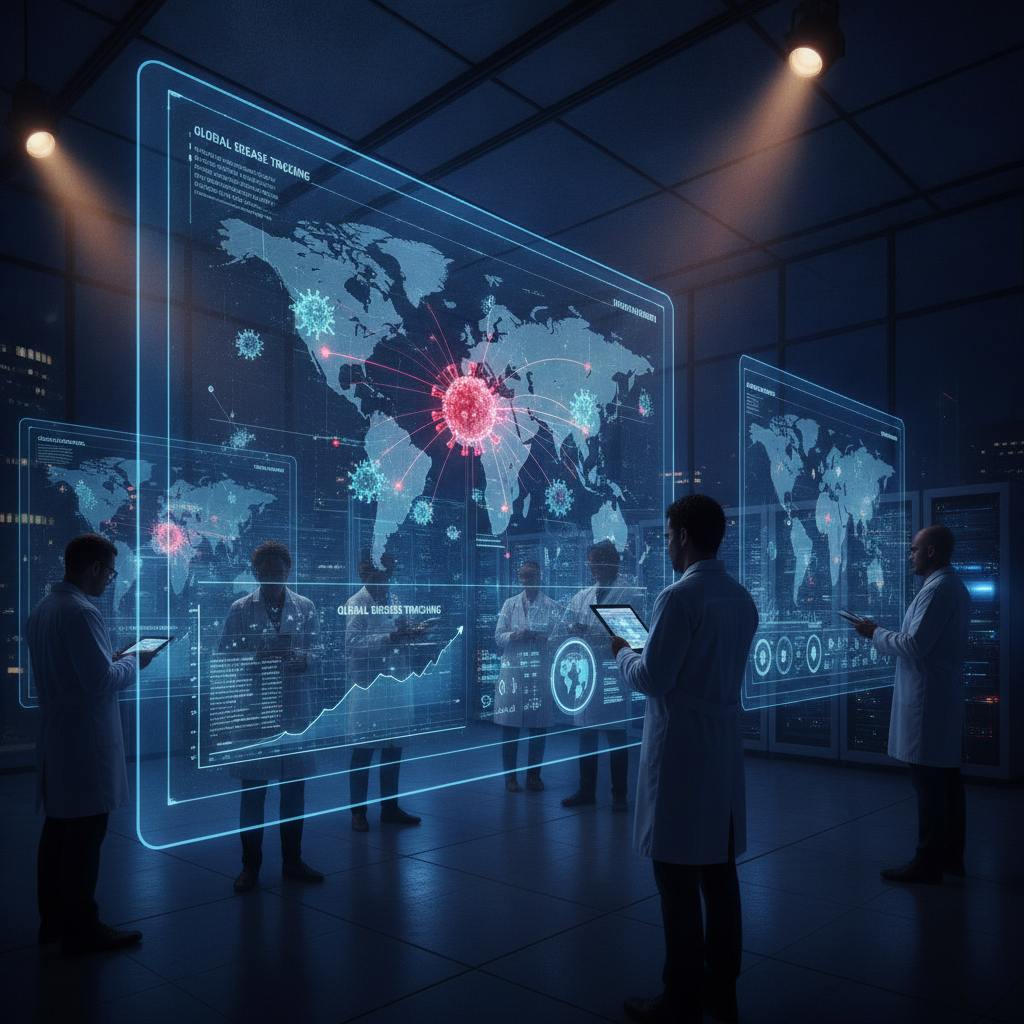
كشف علماء من معهد ويلكوم سانغر المرموق، بالتعاون مع شركاء دوليين، عن طريقة حاسوبية رائدة أطلقوا عليها اسم "فيلو-بلكس" (Phylo-Plex). نُشر هذا الابتكار اليوم، 9 يوليو، في مجلة "نيتشر كوميونيكيشنز" المرموقة، وهو مهيأ لإحداث ثورة في مراقبة الصحة العالمية من خلال تمكين تسلسل الحمض النووي للمسببات المرضية بتكلفة فعالة وقابلية للتوسع، مما يعود بالنفع بشكل خاص على المختبرات التي تعمل بموارد محدودة. يمثل "فيلو-بلكس" قفزة نوعية في قدرتنا على مكافحة الأمراض المعدية عن طريق جعل التحليل الجينومي المتقدم أكثر سهولة ووصولاً في جميع أنحاء العالم.
في جوهرها، صُممت طريقة "فيلو-بلكس" لتحليل المعلومات الجينية للمسببات المرضية الفتاكة. ومن خلال القيام بذلك، توفر رؤى بالغة الأهمية تساعد في تتبع انتشار تفشي الأمراض في الوقت الفعلي. تعد هذه القدرة حيوية لمسؤولي الصحة العامة الذين يحتاجون إلى فهم طرق انتقال العدوى، وتحديد السلالات الناشئة، وتطبيق تدابير مكافحة مستهدفة بسرعة وفعالية. إلى جانب تتبع الأوبئة، توفر هذه الطريقة أيضاً وسيلة قوية لمراقبة تطور وانتشار مقاومة المضادات الحيوية، وهي أزمة صحية عالمية متنامية تهدد فعالية الطب الحديث.
يتمثل التأثير الحقيقي لـ "فيلو-بلكس" في سهولة الوصول إليها. تعاني العديد من مناطق العالم من نقص في البنية التحتية المتطورة والموارد المالية المطلوبة عادةً للتسلسل الجينومي المتقدم. تعالج "فيلو-بلكس" هذا التفاوت من خلال تقديم طريقة اقتصادية وقابلة للتكيف، مما يسمح للمختبرات في البيئات محدودة الموارد بإجراء مراقبة جينومية عالية الجودة. هذا لا يمكّن العلماء المحليين فحسب، بل يعزز أيضاً الشبكة العالمية لمراقبة مسببات الأمراض، مما يضمن إمكانية جمع البيانات الحيوية ومشاركتها من جميع أنحاء العالم.
علاوة على ذلك، من المتوقع أن يؤدي تطوير "فيلو-بلكس" إلى بناء قدرات بحثية كبيرة في المناطق التي تعاني تاريخياً من نقص في العلوم الجينومية. من خلال توفير منصة سهلة الوصول، فإنه يعزز الخبرة المحلية ويشجع على إجراء تحقيقات أعمق في كيفية انتشار العدوى داخل مجموعات سكانية محددة. يعد هذا البحث المحلي ضرورياً لتطوير تدخلات صحية عامة مصممة خصيصاً وفهم التحديات الوبائية الفريدة التي تواجهها المجتمعات المختلفة.
في الختام، "فيلو-بلكس" ليست مجرد أداة حاسوبية؛ إنها محفز للأمن الصحي العالمي العادل. من خلال إضفاء الطابع الديمقراطي على الوصول إلى أحدث تقنيات التسلسل الجينومي، فإنها تزود المزيد من الدول بالأدوات اللازمة لإدارة تهديدات الأمراض المعدية بشكل استباقي. يمثل هذا الجهد التعاوني من قبل معهد ويلكوم سانغر وشركائه لحظة محورية في كفاحنا الجماعي ضد مسببات الأمراض، مما يمهد الطريق لنظام صحي عالمي أكثر مرونة واستجابة.