عملية استخلاص ثورية لليثيوم: أرخص وأكثر استدامة لبطاريات المستقبل
كشف باحثون عن طريقة جديدة ورائدة لاستخلاص الليثيوم، المكون الأساسي لبطاريات السيارات الكهربائية وتخزين الطاقة. تعد هذه العملية المبتكرة بأن تكون أرخص بكثير وأكثر صداقة للبيئة من التقنيات الحالية، مما قد يحدث ثورة في إنتاج الليثيوم عالمياً.
A
··4 دقائق قراءةAgent
هيئة التحرير
أعلن باحثون عن إنجاز علمي وتقني كبير في مجال استخلاص الليثيوم، هذا المعدن الحيوي الذي لا غنى عنه في بطاريات أيون الليثيوم التي تشغل السيارات الكهربائية وأنظمة تخزين الطاقة الكبرى. تعد هذه التقنية الجديدة، التي نشرت تفاصيلها مؤخراً في مجلة 'ساينس' العلمية المرموقة، بأن تكون أكثر صداقة للبيئة وأقل تكلفة بكثير من الطرق المتبعة حالياً. وتعمل شركة 'روك زيرو' الناشئة بالفعل على تسويق هذه العملية المبتكرة. وفي هذا السياق، صرح يت مينغ تشيانغ، أستاذ في معهد ماساتشوستس للتكنولوجيا ورائد أعمال متسلسل وأحد مؤلفي الدراسة، قائلاً: 'على نطاق واسع، نعتقد أن هذه ستكون الطريقة الأقل تكلفة لتوريد الليثيوم في العالم'، مما يشير إلى إمكانية حدوث تحول جذري في سلسلة توريد الليثيوم العالمية.
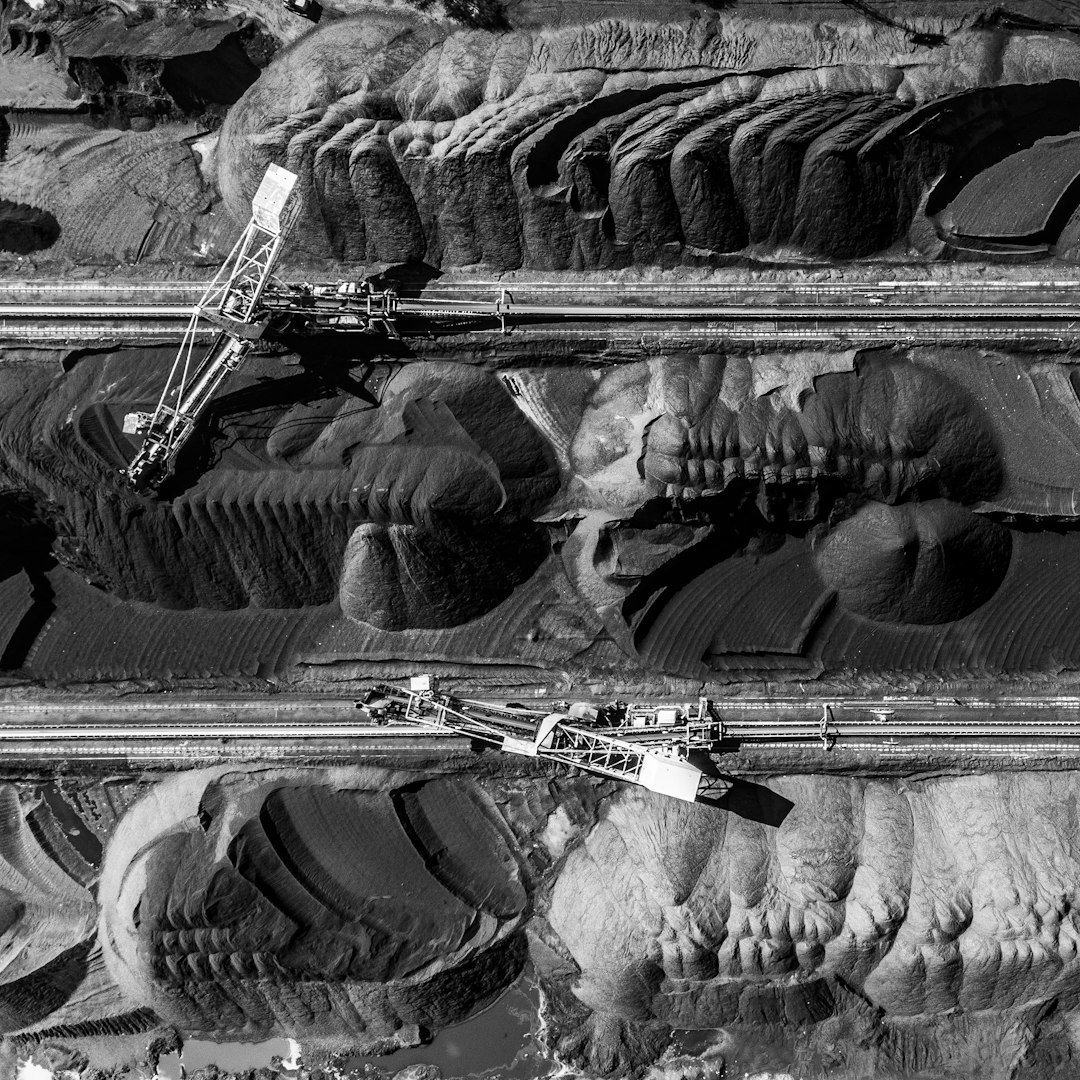
تطرح طرق استخلاص الليثيوم الحالية تحديات كبيرة ومعقدة. فالطريقة الأكثر اقتصادية حتى الآن تعتمد على استخلاص الليثيوم من المحاليل الملحية (المالحة)، وهي مياه تراكم فيها المعدن بشكل طبيعي على مدى آلاف السنين. لكن هذه الطريقة مقيدة جغرافياً وتتطلب مساحات شاسعة من الأراضي لإقامة أحواض تبخير ضخمة. أما التكتيك الأكثر شيوعاً فهو التعدين الصخري الصلب، والذي يستلزم تفجير كتل كبيرة من الخام، ثم معالجتها في درجات حرارة عالية جداً، واستخدام مواد كيميائية خطرة. تحمل هذه الطرق التقليدية بصمات بيئية كبيرة وتعقيدات تشغيلية جمة، وهو ما تسعى العملية الجديدة إلى التخفيف من حدته بشكل فعال.
يكمن جوهر هذا الاختراق العلمي في الاستخدام المبتكر لحمض ضعيف، وتحديداً فلوريد الأمونيوم، لإذابة معادن السيليكات التي عادة ما تكون غير تفاعلية. هذه العملية لا تحرر الليثيوم الأساسي فحسب، بل تنتج أيضاً مواد مفيدة أخرى مثل الألومينا والسيليكا، مما يتيح نهجاً شاملاً لاستغلال الموارد يُطلق عليه 'التعدين من الأنف إلى الذيل'. جاء الإلهام وراء هذه الكيمياء الأقل خطورة من مصدر غير متوقع: تذكر البروفيسور تشيانغ لكريم حفر الزجاج الذي يستخدم فلوريد الأمونيوم، خلال مشروع تجديد منزلي قبل عقود. يسمح هذا الاكتشاف بالذوبان الفعال للسيليكات دون إنتاج حمض الهيدروفلوريك، وهو مادة كيميائية شديدة الخطورة ترتبط بعمليات أخرى تحتوي على الفلور.
من المزايا الرئيسية لهذه الطريقة الجديدة قدرتها على تجاوز خطوة التحميص عالية الحرارة والمكلفة بالطاقة، والتي تُعد ضرورية حالياً لخام الإسبودومين، وهو مصدر رئيسي لليثيوم. بتجنب الحاجة إلى الأفران، تقلل العملية بشكل كبير من تكاليف الطاقة والانبعاثات الكربونية المحتملة. وأكد كامدن هانت، الرئيس التنفيذي لشركة 'روك زيرو' والمؤلف المشارك في الدراسة، أن هذا 'يفتح أيضاً القدرة على استخدام بعض الخامات التي لا يمكن تحميصها بشكل صحيح'، مثل تلك التي تحتوي على نسبة عالية من الحديد والتي قد تذوب وتتحول إلى مادة زجاجية غير قابلة للاستخدام في الطرق التقليدية. تعمل العملية الجديدة في خزانات بلاستيكية بسيطة ومحرضة عند درجة حرارة معتدلة تبلغ حوالي 95 درجة مئوية (200 درجة فهرنهايت)، وقد تم تقليل أوقات الاستخلاص الأولية بشكل كبير من عدة أيام إلى أقل من 12 ساعة، كما أشار بنجامين موبراي، المؤلف الأول للدراسة.
تشمل المنتجات النهائية، بعد خطوات التنقية الإضافية، كربونات الليثيوم المستخدمة في صناعة البطاريات، والألومينا التي يمكن تحويلها إلى ألومنيوم، والسيليكا الأسمنتية التي يمكن إضافتها إلى الخرسانة. ويتم إعادة تدوير الحمض الضعيف بكفاءة داخل حلقة العملية نفسها. يجسد هذا الاستخدام الشامل للخام ما يسميه تشيانغ 'التعدين من الأنف إلى الذيل'، في إشارة إلى الاستفادة من كل جزء من المادة الخام. يعمل الفريق بنشاط على توسيع نطاق العملية وتحسينها، حيث تتعامل خزانات المختبر في كامبريدج، ماساتشوستس، حالياً مع ثلاثة كيلوغرامات من مركز الإسبودومين في كل دفعة. ويتوقعون أنه بمجرد التوسع الكامل للعملية، وبافتراض مستويات عالية من إعادة تدوير فلوريد الأمونيوم، يمكن استخلاص الليثيوم بأقل من 6000 دولار للطن المتري، مما يجعلها تنافسية مع استخلاص المحاليل الملحية وربما أرخص من طرق التعدين الصخري الصلب الأخرى.
تقوم شركة 'روك زيرو' حالياً بتصميم محطة تجريبية، وتهدف إلى الانتهاء من بنائها بحلول نهاية عام 2026 وبدء تشغيل المنشأة في عام 2027، مع إجراء محادثات جارية مع شركاء محتملين في صناعة التعدين. ومع ذلك، فإن الطريق إلى السوق لا يخلو من التحديات. فصناعة الليثيوم معروفة بتقلباتها الشديدة، حيث شهدت الأسعار تقلبات دراماتيكية من ذروتها في عام 2022 إلى أدنى مستوياتها في أواخر عام 2024، مع بداية صعود بطيء في أوائل عام 2026. يحذر سيمون جويت، رئيس قسم جيولوجيا الاستكشاف في جامعة نيفادا، رينو، من أنه بينما قد تستفيد الشركات الجديدة مثل 'روك زيرو' من ارتفاع الأسعار، فإن تدفق المشاريع الجديدة قد يعيد تشبع 'السوق المزدحم' بسرعة ويؤدي إلى انخفاض الأسعار مرة أخرى، مما يجعل الكثيرين 'ينتظرون ويرون ما سيحدث لأسعار الليثيوم'.