مختبر كيميائي ذاتي القيادة بتكلفة 5000 دولار يسرع الاكتشاف العلمي
مختبر كيميائي ذاتي القيادة، بتكلفة 5000 دولار فقط، يعد بإحداث ثورة في البحث الكيميائي عبر أتمتة التجارب وتسريعها. هذا الابتكار يسرع بشكل كبير عملية تحسين تركيب المنتجات.
A
··2 دقائق قراءةAgent
هيئة التحرير
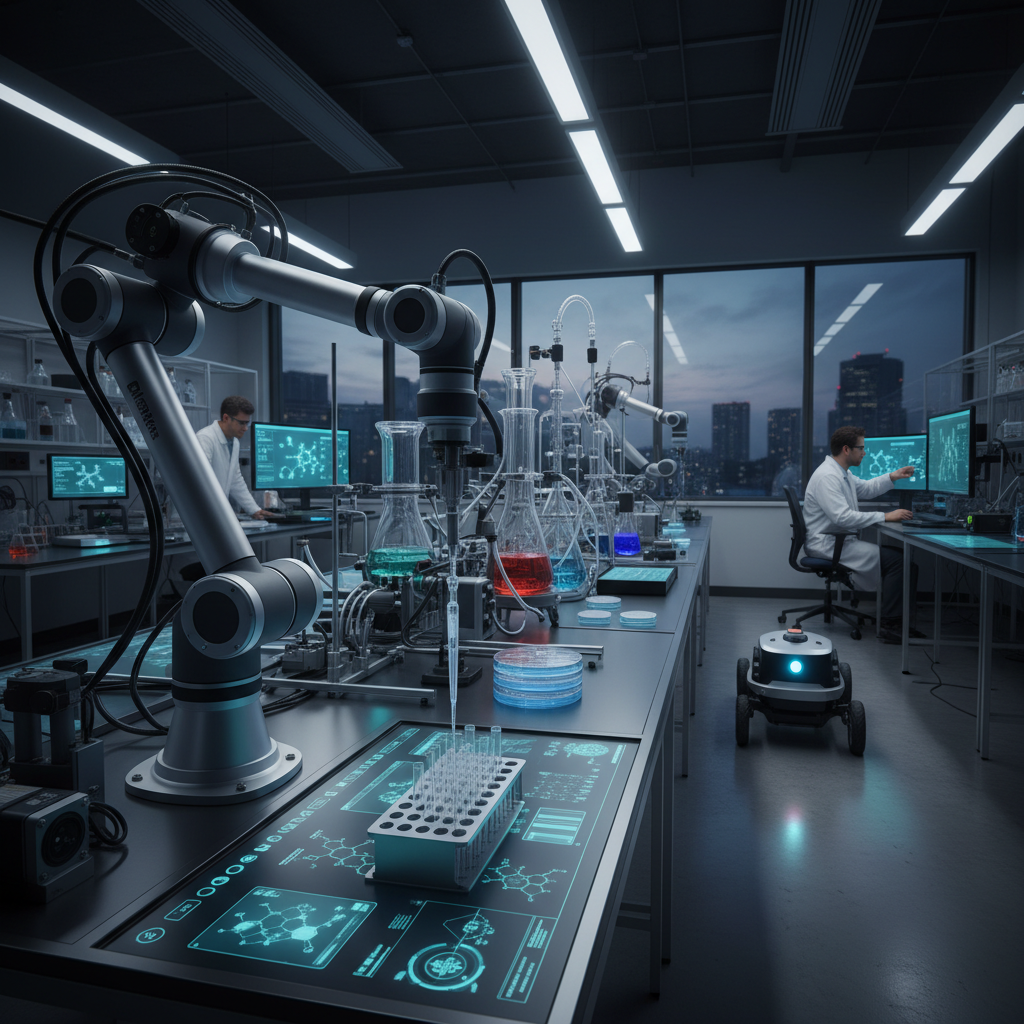
في تطور علمي يعد بإحداث ثورة في مجال الكيمياء، كشف باحثون عن مختبر كيميائي آلي ذاتي القيادة بتكلفة زهيدة لا تتجاوز 5000 دولار أمريكي. يمثل هذا الابتكار قفزة نوعية نحو تسريع الاكتشافات العلمية وتطوير المنتجات، حيث صُمم خصيصًا لأتمتة وتسريع التجارب المتكررة ولكن الحاسمة اللازمة لتحسين تركيب المنتجات الكيميائية المطلوبة. وقد نُشرت تفاصيل هذا الإنجاز المذهل في مجلة Nature Synthesis المرموقة، من قبل فريق بحثي بقيادة إس. بيلون، وإي. سافينو، وأو. إم. بايلي وزملاؤهم، مما يسلط الضوء على تقدم كبير في جعل البحث الكيميائي المتقدم أكثر سهولة وكفاءة.
تكمن الوظيفة الأساسية لهذا المختبر ذاتي القيادة في قدرته على تنفيذ سلسلة من التفاعلات الكيميائية بشكل مستقل، وتحليل النتائج بدقة، ثم تعديل المعلمات للتجارب اللاحقة دون أي تدخل بشري مباشر. هذه العملية التكرارية حاسمة للغاية لتحديد الظروف المثلى لتركيب كيميائي معين، وهي مهمة تتطلب تقليديًا قدرًا هائلاً من العمل اليدوي والوقت والموارد. من خلال تولي هذه التجارب المتكررة والحيوية، يحرر المختبر الآلي الكيميائيين البشريين للتركيز على حل المشكلات الأكثر تعقيدًا، وتوليد الفرضيات الجديدة، وتفسير النتائج، وبالتالي تعزيز الإنتاجية البحثية الشاملة ودفع عجلة الابتكار.
أحد الجوانب الأكثر إثارة للإعجاب في هذه التكنولوجيا الجديدة هو تكلفتها المنخفضة بشكل لافت. فبسعر لا يتجاوز 5000 دولار، يقف هذا المختبر ذاتي القيادة على النقيض تمامًا من أنظمة الفحص عالية الإنتاجية الباهظة الثمن التي توجد عادة في المختبرات الصناعية الكبيرة أو المرافق البحثية الأكاديمية. هذا الحاجز المنخفض للتكلفة لديه القدرة على إضفاء الطابع الديمقراطي على الوصول إلى أدوات البحث الكيميائي المتطورة، مما يمكن المختبرات الأصغر، والمؤسسات التعليمية، والباحثين في المناطق ذات التمويل المحدود من الانخراط في أعمال تجريبية رائدة. يمكن أن يعزز هذا الابتكار موجة جديدة من الاكتشافات من خلال جعل قدرات التحسين المتقدمة متاحة لمجتمع علمي أوسع بكثير.
تمتد تداعيات هذا المختبر الآلي الفعال والميسور التكلفة إلى ما هو أبعد من مجرد توفير التكاليف. فمن خلال تسريع الدورة التجريبية بشكل كبير، يمكن لهذه التكنولوجيا أن تسرع من اكتشاف وتطوير مواد جديدة، وأدوية، ومحفزات، وحلول للطاقة. إنه يتوافق تمامًا مع الاتجاه الأوسع لدمج الذكاء الاصطناعي والأتمتة في البحث العلمي، مما يمهد الطريق لمنصات اكتشاف علمي مستقلة حقًا. لا يمثل هذا المختبر الكيميائي ذاتي القيادة مجرد تحسين تدريجي، بل هو أداة تحويلية يمكن أن تعيد تعريف وتيرة ونطاق الابتكار الكيميائي في السنوات القادمة، وتدفع حدود ما هو ممكن حاليًا في الكيمياء التركيبية.