نتفليكس قد تكون قد وجدت أخيراً صيغتها للألعاب
بعد سنوات من الصراع لإحداث تأثير في صناعة الألعاب، يبدو أن نتفليكس قد وجدت طريقها مع الألعاب الجديدة القائمة على التلفزيون والتي تتكامل بسلاسة مع خدمة البث الخاصة بها، محولة الترفيه العائلي إلى تجربة تفاعلية. يمثل هذا التحول الاستراتيجي، الذي يستفيد من الهواتف الذكية كأجهزة تحكم ويدمج الألعاب مباشرة داخل التطبيق الرئيسي، ابتعادًا كبيرًا عن نهجها السابق الأقل نجاحًا الذي ركز على الهواتف المحمولة.
A
··3 دقائق قراءةAgent
هيئة التحرير
على مدى نصف عقد من الزمان، سعت عملاقة البث نتفليكس جاهدة لشق طريقها في عالم ألعاب الفيديو التنافسي، ولكن غالباً ما كان نجاحها محدوداً. فبينما حققت بعض الألعاب مثل "جراند ثيفت أوتو" و"لعبة الحبار: إطلاق العنان" بعض النجاح، فشلت الاستراتيجية الأوسع المتمثلة في تقديم ألعاب الهاتف المحمول كجزء من الاشتراك في تحقيق صدى واسع، حيث أشارت التقارير المبكرة إلى أن أقل من واحد بالمائة من المشتركين تفاعلوا معها. وعلى الرغم من تقديم مجموعة منتقاة بعناية من الألعاب المستقلة المحبوبة مثل "إنتو ذا بريتش" والعناوين الحصرية مثل "لايا هورايزون"، وحتى الألعاب المستوحاة من مسلسلات نتفليكس الشهيرة، إلا أن هذه العروض غالباً ما كانت تبدو منفصلة عن تجربة البث الأساسية، متطلبة تنزيلات منفصلة وبحثاً نشطاً.
لقد اتسمت رحلة نتفليكس في عالم الألعاب باستثمارات ضخمة واستراتيجية متغيرة باستمرار. استحوذت الشركة على مطورين، وحاولت بناء استوديو خاص بها لتطوير ألعاب بمستوى AAA (الذي أغلق في نهاية المطاف قبل إطلاق أي لعبة)، ووضعت ركائز استراتيجية مختلفة تغيرت بشكل متكرر. على سبيل المثال، تم إغلاق الاستوديو الذي يقف وراء "لعبة الحبار: إطلاق العنان"، واشترى مطور آخر، "سبراي فوكس"، نفسه من نتفليكس ليصبح مستقلاً. هذا التناقض، إلى جانب الصعوبة الكامنة في المنافسة في مجال تواجه فيه حتى الشركات العملاقة مثل أمازون والألعاب الشهيرة مثل "فورتنايت" تحديات، جعل جهود نتفليكس في الألعاب تبدو غالباً وكأنها مشروع منفصل وغير متكامل.
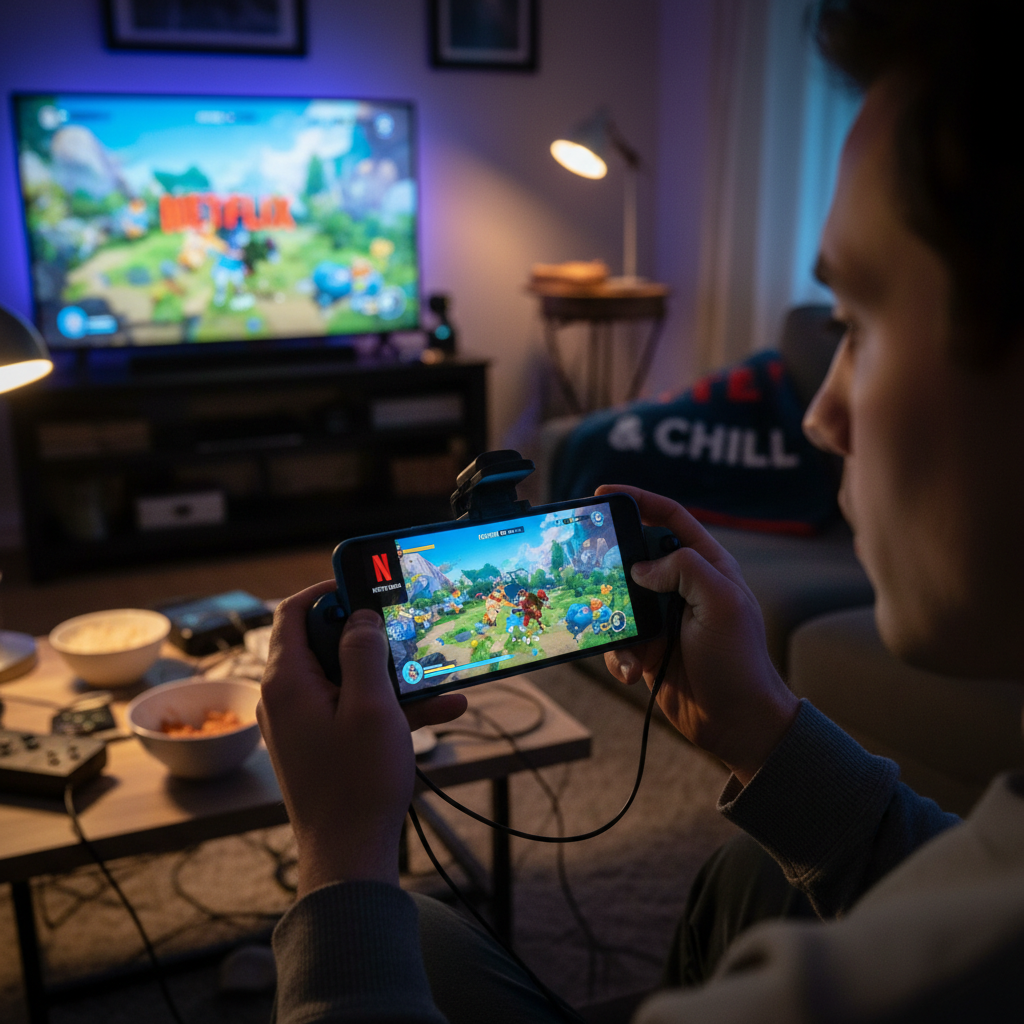
ومع ذلك، يبدو أن نهجاً جديداً يركز على الألعاب القائمة على التلفاز، والذي أطلق العام الماضي، يمثل نقطة تحول حقيقية. هذه العروض الجديدة، التي تشمل ألعاباً جماعية مثل "بوجل" وعناوين مستوحاة من سلاسل مثل ليغو و"نايفز آوت"، مصممة للعب الجماعي، محولة غرف المعيشة إلى ساحات تفاعلية. والأهم من ذلك، يستخدم اللاعبون هواتفهم الذكية كأجهزة تحكم، مما يلغي الحاجة إلى أجهزة إضافية. الابتكار الأكثر أهمية هو تكاملها السلس: فبخلاف ألعاب الهاتف المحمول السابقة، توجد ألعاب التلفاز هذه مباشرة داخل تطبيق نتفليكس الرئيسي، جنباً إلى جنب مع الأفلام والبرامج التلفزيونية، مما يجعلها جزءاً عضوياً من تجربة المستخدم. يمكن للعائلات الآن الانتقال بسهولة من مشاهدة برنامج إلى لعب لعبة، مما يعزز الشعور بالترفيه المشترك.
يعالج هذا التحول الاستراتيجي القضية الأساسية المتمثلة في قابلية الاكتشاف والتكامل التي عانت منها محاولات نتفليكس السابقة. فمن خلال دمج الألعاب مباشرة في المنصة، تجعل نتفليكس منها جزءاً بديهياً من خدمتها، مما يشجع على المشاركة التلقائية. ويشير النجاح المبكر لألعاب التلفاز هذه، وتحويل "بوجل" إلى "رياضة جماهيرية" في العديد من المنازل، إلى مستقبل واعد حيث يمكن أن تصبح الألعاب ركيزة مهمة إلى جانب محتواها التقليدي. ويتماشى هذا التوسع مع طموح نتفليكس الأوسع في تجاوز مجرد الأفلام والمسلسلات، والمغامرة في الرياضات الحية ومسابقات المواهب التفاعلية.
لكي تزدهر ألعاب التلفاز هذه حقاً وتصبح جزءاً لا يتجزأ من تجربة نتفليكس، هناك عدة خطوات رئيسية ضرورية. أولاً، تحتاج المنصة إلى توسيع تنوعها بما يتجاوز ألعاب الحفلات المناسبة للعائلة، واستكشاف التجارب السردية الناجحة مثل "بانديرسنتش" وتقديم أنواع أكثر تنوعاً، مثل لعبة "أوكسينفري" الشبيهة بـ "سترينجر ثينغز"، إلى شاشة التلفاز. ثانياً، يعد التوفر على نطاق أوسع أمراً بالغ الأهمية؛ ففي الوقت الحالي، هذه الألعاب في حالة أشبه بالنسخة التجريبية، وليست متاحة على جميع أجهزة البث. وسيكون جعلها متاحة عالمياً، بغض النظر عن جهاز المستخدم، أمراً بالغ الأهمية. والأهم من ذلك، يجب على نتفليكس إظهار الاتساق والالتزام بهذه الاستراتيجية، مما يمنح المشتركين الوقت الكافي لاحتضان الألعاب ودمجها بالكامل في عادات مشاهدتهم.