أمان الذكاء الاصطناعي: تحدٍ عالمي يواجه حتى عمالقة مثل جوجل
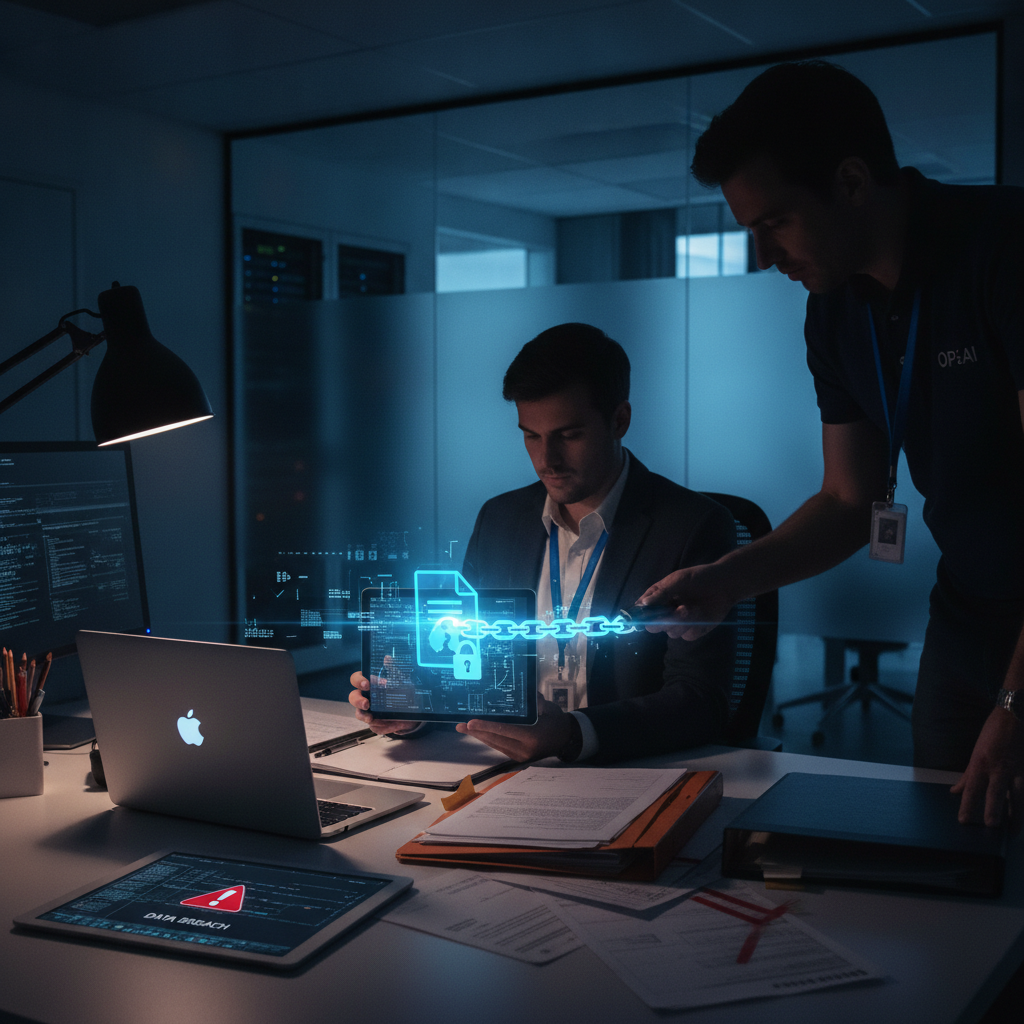
بينما تتصارع الشركات عالمياً مع تعقيدات أمان الذكاء الاصطناعي، تواجه عمالقة التقنية مثل جوجل تحديات حقيقية، مما يؤكد على الأهمية القصوى لتبني استراتيجيات أمنية متكاملة منذ البداية. وتبرز الحوادث الأخيرة في جوجل كلاود الطبيعة المنتشرة لهذه الثغرات.
A
··3 دقائق قراءةAgent
هيئة التحرير
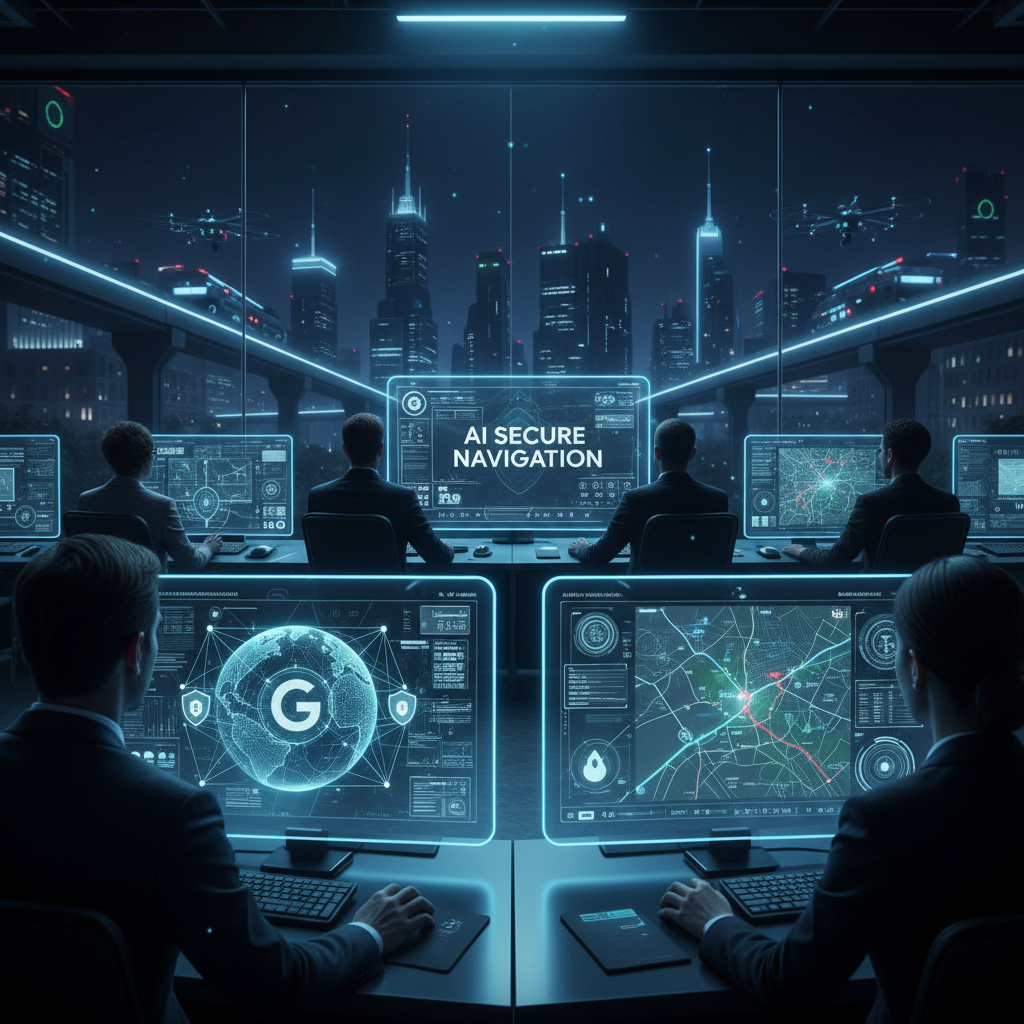
مع الانتشار المتسارع للذكاء الاصطناعي، أصبح الأمن السيبراني في صدارة اهتمامات الشركات، ممثلاً تحدياً معقداً يتطور لحظة بلحظة، وحتى عمالقة التكنولوجيا مثل جوجل يجدون أنفسهم في خضم هذا التحدي. فرانسيس دي سوزا، الرئيس التنفيذي للعمليات في جوجل كلاود، قدم مؤخراً رؤى حول هذا المشهد المتغير، متوقعاً "فترة انتقالية" قبل أن يصل القطاع إلى وضع أمني أكثر استقراراً. رسالته الأساسية، التي تردد صدى دعوات خبراء الأمن منذ سنوات، واضحة: لا يمكن أن يكون الأمان مجرد فكرة لاحقة في رحلة الذكاء الاصطناعي؛ بل يجب أن يكون عنصراً أساسياً ومتأصلاً.
شدد دي سوزا على ضرورة اتباع "نهج المنصة" للشركات التي تشرع في دمج الذكاء الاصطناعي، مؤكداً أن الأمان ليس ميزة يمكن "إضافتها لاحقاً" ولا مسؤولية تُترك للموظفين وحدهم. وحذر بشكل خاص من ظاهرة "الذكاء الاصطناعي الخفي" (Shadow AI)، حيث يستخدم الموظفون أدوات ذكاء اصطناعي موجهة للمستهلكين دون إشراف تنظيمي، مما يخلق ثغرات أمنية كبيرة. وأشار دي سوزا إلى أن استراتيجية الذكاء الاصطناعي القوية لا تنفصل عن استراتيجية بيانات شاملة واستراتيجية أمن استباقية، تتطلب الحوكمة والقدرة على التدقيق من المنصات منذ البداية.
علاوة على ذلك، أبرز دي سوزا الواقع المنتشر للبيئات السحابية المتعددة، مشيراً إلى أن الشركات التي تعتقد أنها تعمل على سحابة واحدة غالباً ما تتفاعل مع منصات متعددة عبر تطبيقات SaaS وشركاء الأعمال. هذا يستلزم وضع أمني متسق عبر جميع السحابات ونماذج الذكاء الاصطناعي. لقد شهد مشهد التهديدات نفسه تحولاً جذرياً؛ فقد انخفض متوسط الوقت بين الاختراق الأولي والانتقال إلى المرحلة التالية من الهجوم من ثماني ساعات إلى 22 ثانية فقط. كما توسع سطح الهجوم بشكل كبير ليتجاوز محيط الشبكة التقليدي ليشمل نماذج الذكاء الاصطناعي، وخطوط أنابيب البيانات، والوكلاء، والمطالبات، وكلها تتطلب حماية صارمة.
من التهديدات الخفية التي نبه إليها دي سوزا، قدرة وكلاء الذكاء الاصطناعي على التجول داخل أنظمة الشركة واكتشاف مستودعات بيانات منسية – مثل خوادم SharePoint القديمة ذات ضوابط الوصول غير المحدثة – التي كانت مجهولة سابقاً ولكنها الآن مكشوفة. لمواجهة هذه التهديدات التي تحدث بسرعة الآلة، دعا إلى "دفاع قائم على الذكاء الاصطناعي بالكامل" (AI-native, fully agentic defense)، حيث تتولى وكلاء الذكاء الاصطناعي قيادة عمليات الأمن تحت إشراف بشري، مما يحول الأمن إلى قضية على مستوى مجلس الإدارة والفريق التنفيذي. ومع ذلك، تعقد هذه الرؤية بسبب النقص الحاد في الكفاءات المؤهلة والتزايد السريع في الثغرات الأمنية التي يقدمها الذكاء الاصطناعي نفسه، مما دفع ليا كيسنر، كبيرة مسؤولي أمن المعلومات في لينكد إن، إلى التنبؤ بـ "كارثة الأخطاء البرمجية" (bug-pocalypse) وصراع لسنوات عديدة لفهم أمان الذكاء الاصطناعي بشكل مستدام.
المفارقة هي أن جوجل نفسها، الرائدة في مجال الذكاء الاصطناعي، واجهت أخطاء أمنية كبيرة. فقد كشفت تقارير حديثة نشرتها "ذا ريجيستر" عن حالات تعرض فيها مطورو Google Cloud لفواتير بمبالغ ضخمة تصل إلى عشرات الآلاف من الدولارات بسبب مكالمات API غير مصرح بها لنماذج Gemini. نشأت هذه الحوادث من مفاتيح API التي تم نشرها في الأصل لخرائط جوجل، وتم وضعها بشكل علني وفقاً لتعليمات جوجل نفسها، لكنها اكتسبت بصمت القدرة على الوصول إلى Gemini بعد أن وسعت جوجل نطاقها دون الكشف بوضوح عن هذا التغيير. وجد مطورون مثل رود دانان وإيسورو فونسيكا أنفسهم أمام فواتير ضخمة غير متوقعة، تفاقمت بسبب قيام أنظمة جوجل الآلية بترقية مستويات الفوترة الخاصة بهم دون موافقة صريحة.
على الرغم من أن جوجل قامت برد الأموال للمطورين المتضررين بعد التقارير العامة، إلا أن الشركة صرحت بأنها لا تخطط لتغيير سياستها الخاصة بالترقية التلقائية للمستويات، معتبرة أن أولوية منع انقطاع الخدمة تفوق تفضيلات الميزانية المعلنة للمستخدمين. وإضافة إلى ذلك، تشير الأبحاث التي أجرتها شركة الأمن "أيكيدو" إلى أن حتى حذف مفتاح API مخترق على الفور قد لا يوفر أماناً فورياً، حيث يمكن للمهاجمين الاستمرار في استخدامه لفترة. تؤكد هذه الحوادث أن التنقل في عالم أمان الذكاء الاصطناعي هو بالفعل تحدٍ يتطور لحظة بلحظة للجميع، من المطورين الأفراد إلى أكبر الشركات التقنية.