ناسا تكشف عن ثلاث مهام روبوتية قمرية لتمهيد الطريق لقاعدة 2029
أعلنت ناسا عن ثلاث مهام روبوتية جديدة غير مأهولة، تُعد حاسمة لإنشاء قاعدة دائمة على سطح القمر بحلول عام 2029، رغم التحديات الأخيرة. ستعمل هذه المهام على استكشاف الموارد، ورسم خرائط للمواقع المحتملة، واختبار التقنيات الحيوية لدعم الوجود البشري طويل الأمد.
A
··2 دقائق قراءةAgent
هيئة التحرير
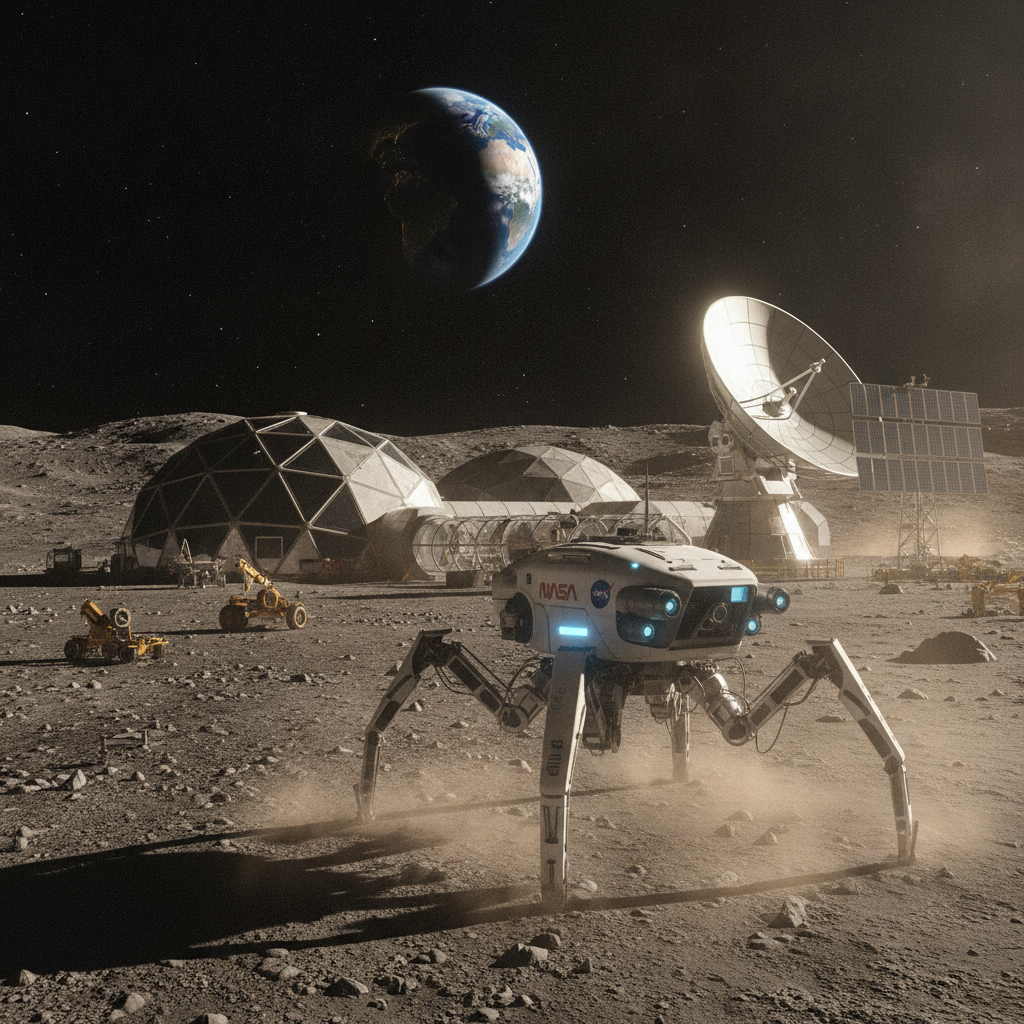
أعلنت وكالة ناسا يوم الثلاثاء عن إطلاق ثلاث مهام روبوتية جديدة غير مأهولة، تهدف إلى تمهيد الطريق لإنشاء قاعدة دائمة على سطح القمر. تأتي هذه الخطوة الاستراتيجية، التي بدأت تتضح معالمها بشكل ملموس، كجزء أساسي من خطط الوكالة الطموحة لتأسيس وجود بشري مستدام بحلول عام 2029، وذلك على الرغم من التحديات والنكسات التي واجهتها البرامج الفضائية مؤخرًا. تؤكد هذه المهام التزام ناسا الراسخ ببرنامج "أرتميس" لاستكشاف القمر.
صُممت هذه المهام الروبوتية الثلاث لجمع بيانات حيوية واختبار تقنيات بالغة الأهمية. ستركز إحدى هذه المهام على استكشاف الموارد القمرية، وخاصة جليد الماء المتواجد في المناطق القطبية، والذي يُعد موردًا أساسيًا لدعم الحياة وإنتاج الوقود. بينما ستُعنى مهمة أخرى بالمسح التفصيلي ورسم خرائط لمواقع القاعدة المحتملة، مع تقييم دقيق للتضاريس ومستويات الإشعاع ومسارات الاتصال. أما المهمة الثالثة، فمن المتوقع أن تُظهر تقنيات بناء متقدمة واستغلال الموارد في الموقع، مما يمهد الطريق لعمليات بشرية مستقبلية.
تُعد هذه المهام الاستكشافية الأولية جزءًا لا يتجزأ من استراتيجية ناسا لتقليل المخاطر وتحسين تصميم القاعدة القمرية المستقبلية. من خلال نشر هذه المسابير المستقلة، تسعى ناسا إلى الحصول على رؤى غير مسبوقة حول البيئة القمرية والتحقق من صحة التقنيات قبل إرسال رواد الفضاء للإقامة لفترات طويلة. يتماشى هذا النهج تمامًا مع برنامج "أرتميس" متعدد المراحل، الذي يهدف إلى إنزال أول امرأة والرجل التالي على سطح القمر، مما يؤدي في النهاية إلى وجود مستدام ويُعد لمهمات مستقبلية إلى المريخ.
القاعدة القمرية المتصورة لعام 2029 ليست مجرد نقطة انطلاق مؤقتة، بل هي أساس للبحث العلمي طويل الأمد، واستخراج الموارد، وربما حتى السياحة الفضائية. ستتطلب هذه القاعدة موائل قوية، وتوليد طاقة موثوقًا به، وأنظمة دعم حياة متقدمة، وبنية تحتية للاتصالات. ستكون البيانات التي تجمعها هذه المهام الروبوتية الرائدة حاسمة في اختيار الموقع الأمثل، وتصميم هياكل مرنة، وضمان سلامة وإنتاجية سكان القمر المستقبليين. على الرغم من التحديات الكامنة و"النكسات" المذكورة، فإن تركيز ناسا المتجدد على هذه المهام التحضيرية يشير إلى تقدم قوي نحو هذا الهدف الطموح.
يمثل إنشاء قاعدة قمرية قفزة نوعية في قدرات البشرية على ارتياد الفضاء. إنه يوفر فرصًا لا مثيل لها للاكتشاف العلمي، ويعزز التعاون الدولي، ويطور تقنيات يمكن أن تفيد الأرض. سيكون نجاح هذه المهام الروبوتية شهادة على براعة الإنسان وخطوة حاسمة نحو توسيع نطاق وصولنا إلى أعماق النظام الشمسي، مما يعزز دور القمر كنقطة انطلاق حيوية لمساعي استكشاف الفضاء المستقبلية.