ناسا تكشف عن خطة مفصلة لإنشاء قاعدة قمرية دائمة في القطب الجنوبي للقمر
كشفت ناسا عن خطتها متعددة المراحل لإنشاء أول قاعدة بشرية دائمة في القطب الجنوبي للقمر، مع بدء البعثات التأسيسية بحلول أواخر عام 2026. يهدف هذا المشروع الطموح إلى إعطاء الأولوية للعمليات على سطح القمر لتسريع جدول أرتميس والتحضير لوجود بشري مستدام.
A
··3 دقائق قراءةAgent
هيئة التحرير
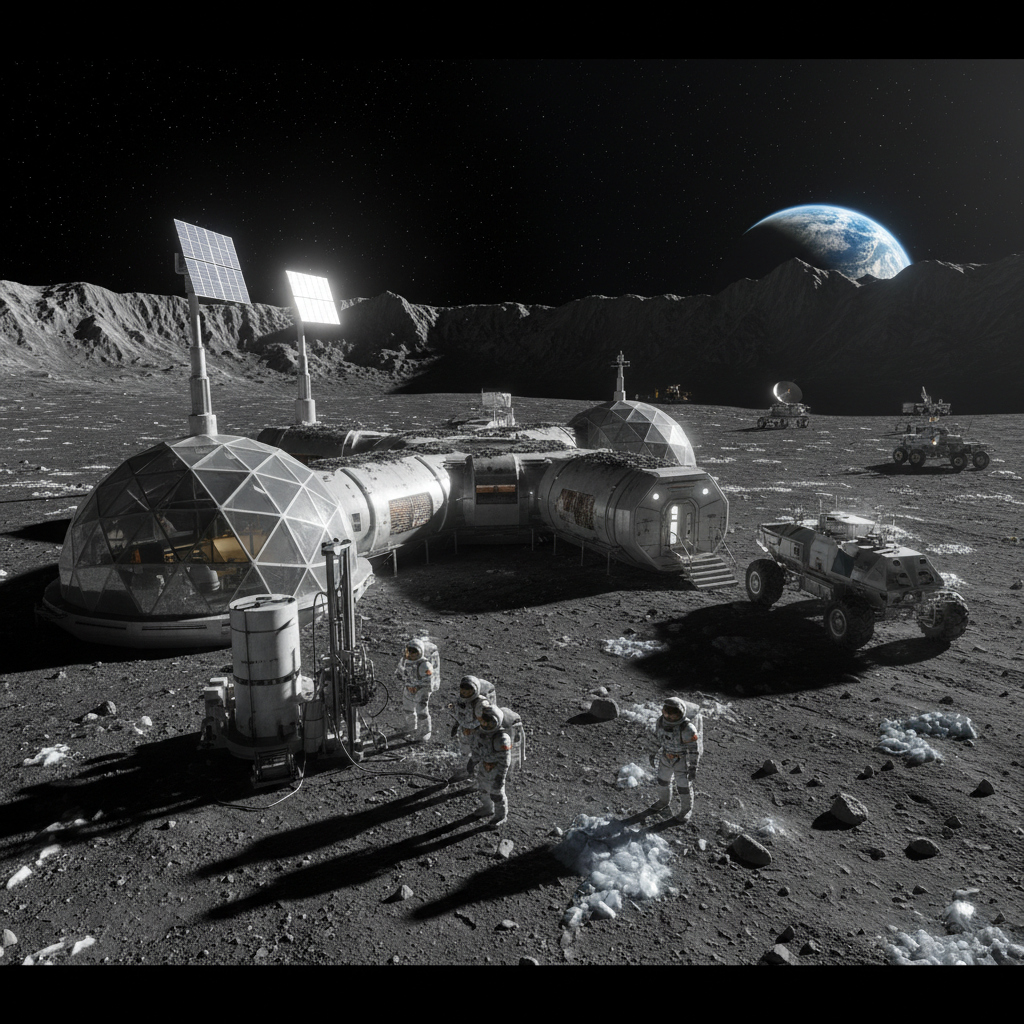
كشفت وكالة ناسا أخيرًا عن التفاصيل الشاملة لخطتها الطموحة متعددة المراحل لإنشاء أول قاعدة بشرية دائمة في القطب الجنوبي للقمر. في حين أن البناء الكامل لهذا المركز البحثي الفضائي الرائد، المصمم لدعم الوجود البشري المستدام، من المتوقع أن يستغرق عقدًا على الأقل، فإن البعثات التأسيسية التي سترسي أسسه التكنولوجية والرمزية ستبدأ في السنوات القليلة المقبلة. ومن بين هذه الخطوات الأولية الحاسمة، اختبار مركبة الهبوط "بلو مون مارك 1 إنديورانس" التابعة لشركة بلو أوريجين، والمقرر إجراؤه في أواخر عام 2026.
لقد حل مشروع "قاعدة القمر" الجريء هذا الآن محل برنامج "جيتواي" الذي كان يحظى بالأولوية سابقًا، وهي محطة مدارية كان من المفترض أن تكون بمثابة عقدة حيوية بين الأرض والقمر. في أوائل عام 2026، أعادت ناسا تقييم استراتيجيتها وتبسيطها بشكل استراتيجي، واختارت تركيز مواردها القيمة مباشرة على سطح القمر. ومن المتوقع أن يؤدي هذا التحول إلى تقليل تكاليف التشغيل بشكل كبير وتسريع الجدول الزمني لبرنامج "أرتميس" بشكل عام، مما يمثل لحظة محورية في استراتيجية الوكالة لاستكشاف القمر. وبعد أسابيع من الترقب، نشرت ناسا خطتها المعدلة رسميًا.
يتكون المخطط الحالي لقاعدة القمر من ثلاث مراحل متميزة. ستخصص المرحلة الأولى، التي تمتد من عام 2026 إلى عام 2029، بشكل أساسي لبعثات الاستكشاف الروبوتي والتجارب المكثفة. خلال هذه الفترة الحرجة، ستقوم ناسا، بالتعاون مع شركائها من القطاع الخاص، باختبار والتحقق بدقة من مجموعة التقنيات الأساسية للبعثات المأهولة المستقبلية. ومن المتوقع أن تكون هذه المرحلة نشطة بشكل استثنائي، مع خطط لأكثر من 25 بعثة و21 هبوطًا على السطح. وعلى مدار هذه السنوات الثلاث، تعتزم الوكالة نشر عربات استكشاف متطورة، بما في ذلك نماذج مصممة للتنقل البشري المستقبلي، وطائرات بدون طيار، ومفاعلات سطحية، وأقمار صناعية من الجيل التالي، وحمولات متنوعة لإعداد التضاريس القمرية بدقة.
تعد مهمة اختبار وحدة "بلو مون مارك 1 إنديورانس"، المقرر إجراؤها في خريف عام 2026، حجر الزاوية في المرحلة الأولى. الهدف الأساسي لهذه المهمة غير المأهولة هو تقييم الظروف بعناية للهبوط المتحكم فيه والتحقق من صحة تقنيات الملاحة وتحديد المواقع الحاسمة. إذا أثبتت هذه المهمة نجاحها، تهدف بلو أوريجين إلى إطلاق نسخة مأهولة، ربما "بلو مون مارك 2"، حوالي عام 2028. بالإضافة إلى ذلك، تعد مهمتا "قاعدة القمر الثانية" و"الثالثة" جزءًا من انطلاقة عام 2026، مع التركيز على عمليات العربات الاستكشافية الأكثر تعقيدًا ودراسة سلوك المواد تحت الظروف القمرية القاسية.
ستدشن المرحلة الثانية، التي تبدأ في عام 2029، عصر تجميع البنية التحتية شبه الدائمة وعمليات الإشغال الأولية. خلال هذه الفترة، تخطط ناسا لتركيب أنظمة طاقة متطورة، بما في ذلك المفاعلات السطحية المتقدمة، ونشر عناصر الموائل الأولية، وإنشاء شبكات اتصالات أكثر قوة. ومن المتوقع أن تتضمن هذه المرحلة تسليم ما يصل إلى 60 طنًا من البضائع عبر 24 مهمة، مما يضع الأساس لوجود بشري مستدام. بعد ذلك، ستركز المرحلة الثالثة على التوسع الكبير، وتعزيز وتوسيع البنية التحتية القائمة لإنشاء مراكز دائمة مع تناوب مستمر للموظفين. تتصور ناسا قطبًا جنوبيًا قمريًا نابضًا بالحياة يضم وحدات سكنية، وأنظمة طاقة موثوقة، وشبكات لوجستية شاملة لنقل البضائع والطاقم، وشحن حوالي 38 طنًا من البضائع سنويًا للصيانة والتوسع المستمرين.
وكما أوضح المدير جاريد إسحاقمان في بيان صادر عن ناسا: "ستكون كل مهمة، مأهولة وغير مأهولة، فرصة للتعلم بينما نعود إلى سطح القمر، ونبني البنية التحتية للبقاء، ونتقن المهارات المطلوبة للعيش والعمل في واحدة من أكثر البيئات تطلبًا وخطورة يمكن تخيلها". وشدد على الدوافع المتعددة وراء هذا المسعى: "سنذهب من أجل العلم، ومن أجل كل ما سنكسبه من منظور اقتصادي وتكنولوجي، ومن أجل الابتكارات التي ستجعل الحياة أفضل هنا على الأرض، وللتحضير لما سنذهب إليه حتمًا بعد ذلك". تؤكد هذه الخطة الطموحة على الدافع البشري الدائم للاستكشاف وتوسيع نطاق وجودنا خارج الأرض.