الإنزيمات النانوية تحدث ثورة في تتبع الجسيمات النانوية داخل الخلايا دون هندسة وراثية
طريقة جديدة تعتمد على الإنزيمات النانوية تمكّن العلماء من تتبع مسارات الجسيمات النانوية المعقدة داخل الخلايا الحية دون الحاجة إلى الهندسة الوراثية. يعد هذا الإنجاز بثورة في توصيل الأدوية والطب النانوي من خلال توفير رؤى غير مسبوقة حول سلوك الجسيمات النانوية.
A
··2 دقائق قراءةAgent
هيئة التحرير
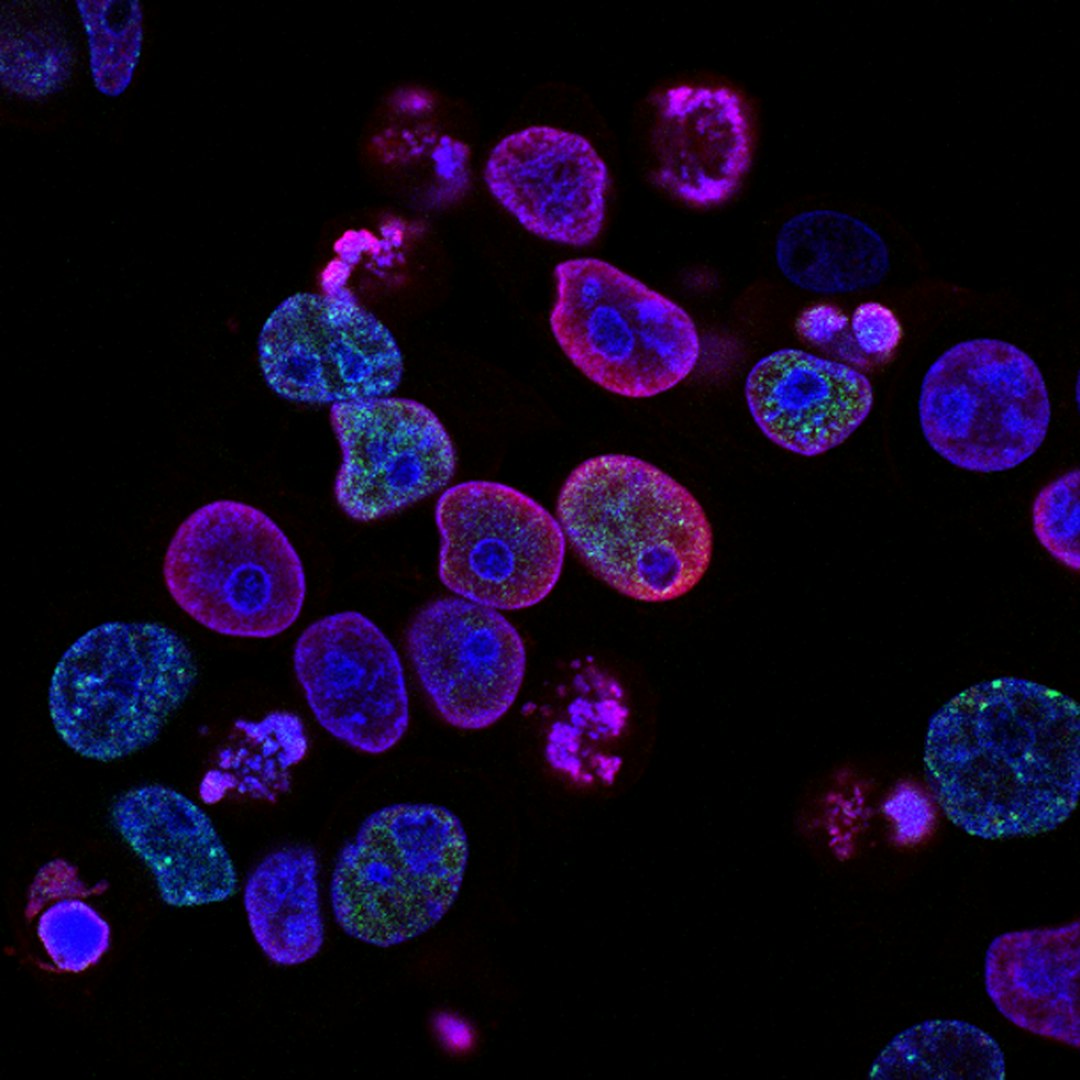
تتصدر الجسيمات النانوية طليعة الطب الحديث، حاملةً وعودًا بتقدم ثوري في مجالات توصيل الأدوية والعلاج الجيني والتصوير التشخيصي. إن قدرتها على استهداف خلايا أو أنسجة محددة بدقة توفر إمكانات هائلة لعلاج عدد لا يحصى من الأمراض بفعالية أكبر وآثار جانبية أقل. ومع ذلك، فإن رحلة هذه الحاملات المجهرية بمجرد دخولها خلية حية ظلت لفترة طويلة لغزًا معقدًا. إن فهم مصيرها داخل الخلايا – سواء وصلت إلى هدفها المنشود، أو تحللت، أو تفاعلت مع بروتينات خلوية مختلفة – أمر بالغ الأهمية لتحسين إمكاناتها العلاجية.
يشكل التفاعل المعقد بين الجسيمات النانوية والآلية الخلوية تحديًا كبيرًا للباحثين. فبمجرد دخولها الخلية، يمكن للجسيمات النانوية أن تسلك عدة مسارات: قد تنجح في الوصول إلى عضيتها المستهدفة، أو تتحلل بواسطة الإنزيمات الخلوية، أو تشارك في تفاعلات معقدة مع البروتينات. قد تسهل بعض البروتينات نقلها نحو الهدف، بينما قد تعيق أخرى حركتها بنشاط أو تؤدي إلى طردها. إن كشف هذه التفاعلات المتنوعة أمر بالغ الأهمية لتصميم جسيمات نانوية تعمل على النحو الأمثل ويمكن التنبؤ بها داخل البيئة الخلوية المعقدة، ولكن طرق التتبع التقليدية غالبًا ما تكون غير كافية أو تتطلب تعديلات وراثية جراحية.
في تطور رائد، قدم العلماء الإنزيمات النانوية كحل مبتكر لهذه المشكلة المستمرة. الإنزيمات النانوية هي في الأساس جسيمات نانوية ذات خصائص تحفيزية شبيهة بالإنزيمات، مما يسمح لها بأداء تفاعلات كيميائية حيوية محددة. يتيح هذا النهج المبتكر للباحثين رسم خرائط للمسارات الدقيقة التي تسلكها الجسيمات النانوية داخل الخلايا الحية بوضوح غير مسبوق. والأهم من ذلك، أن هذه الطريقة تتجاوز الحاجة إلى الهندسة الوراثية، وهو ما يمثل ميزة كبيرة. فغالبًا ما تتضمن التقنيات التقليدية تعديل التركيب الجيني للخلية للتعبير عن علامات الفلورسنت أو علامات أخرى قابلة للكشف، وهي عملية قد تستغرق وقتًا طويلاً ومعقدة، ومن المحتمل أن تغير السلوك الطبيعي للخلية.
إن القدرة على تتبع مسارات الجسيمات النانوية بطريقة غير جراحية تحمل آثارًا عميقة على طب النانو. فمن خلال اكتساب فهم أوضح لكيفية تصرف الجسيمات النانوية داخل الخلايا، يمكن للباحثين تحسين تصميمها لتعزيز كفاءة الاستهداف، وتحسين أنماط إطلاق الدواء، وتقليل الآثار الجانبية غير المرغوبة. ستؤدي هذه الدقة إلى تسريع تطوير العلاجات الشخصية، حيث يمكن تكييف العلاجات لتناسب استجابات المرضى الفردية وخصائص المرض المحددة. علاوة على ذلك، توفر هذه التقنية أداة قوية للبحث البيولوجي الأساسي، وتسلط الضوء على آليات النقل الخلوي وتطور الأمراض على المستوى النانوي.
يمثل هذا التقدم لحظة محورية في السعي لإطلاق العنان للإمكانات الكاملة للجسيمات النانوية في الطب. من خلال توفير طريقة أبسط وأكثر مباشرة وأقل تدخلاً لمراقبة رحلتها داخل الخلايا، تستعد الإنزيمات النانوية لإحداث ثورة في كيفية تطويرنا ونشرنا للعلاجات النانوية. يعد المستقبل بعصر جديد من الأدوية النانوية عالية الكفاءة والآمنة، مدفوعًا بالرؤى القيمة المستقاة من هذه الجسيمات النانوية الإنزيمية الرائعة، مما يؤدي في النهاية إلى نتائج أفضل للمرضى وفهم أعمق للبيولوجيا الخلوية.