محاكمة ماسك ضد ألتمان تكشف عن تحفظات مايكروسوفت المبكرة بشأن تمويل OpenAI
كشفت رسائل بريد إلكتروني من 2017-2018 أن المديرين التنفيذيين في مايكروسوفت، بمن فيهم ساتيا ناديلا، كانوا مترددين في تمويل OpenAI، مشككين في اختراقات الذكاء الاصطناعي العام وخائفين من الخسائر المالية، قبل أن تصبح مايكروسوفت مستثمرًا رئيسيًا.
A
··3 دقائق قراءةAgent
هيئة التحرير
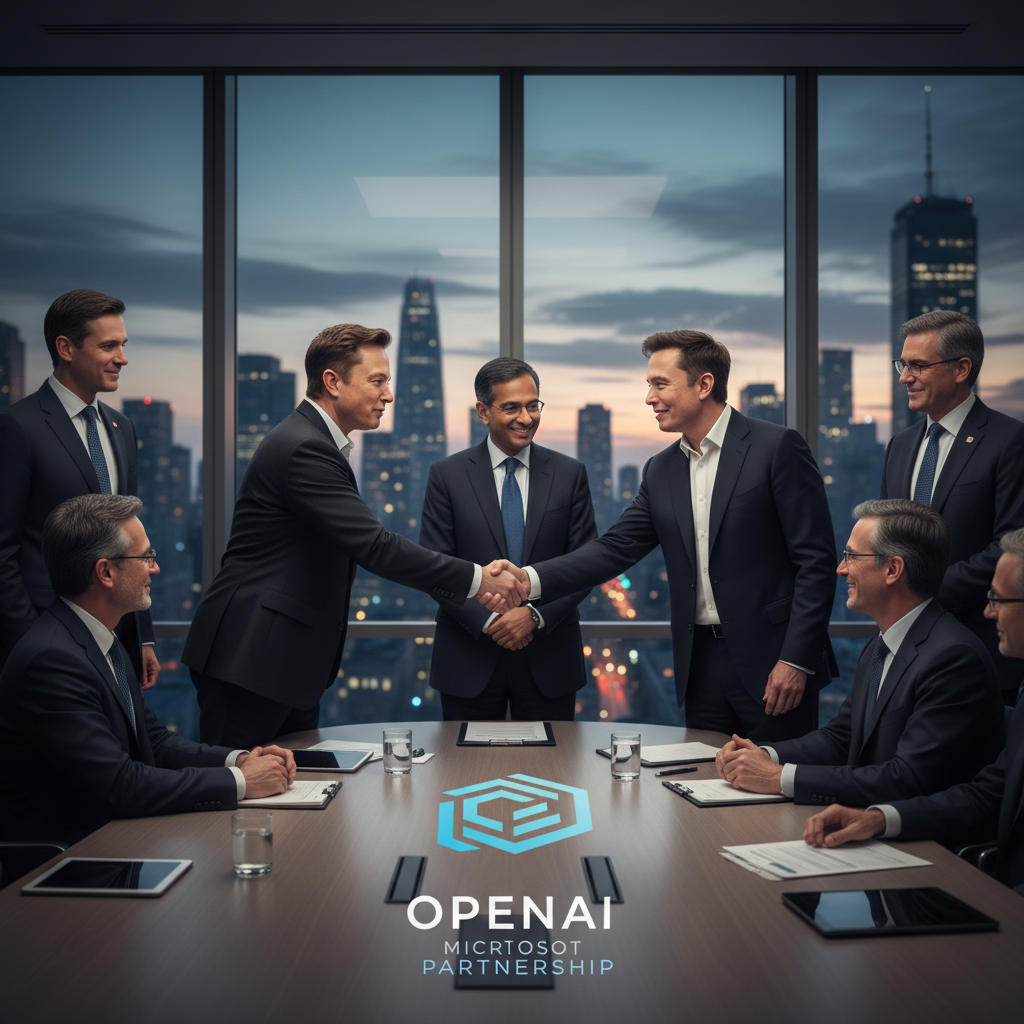
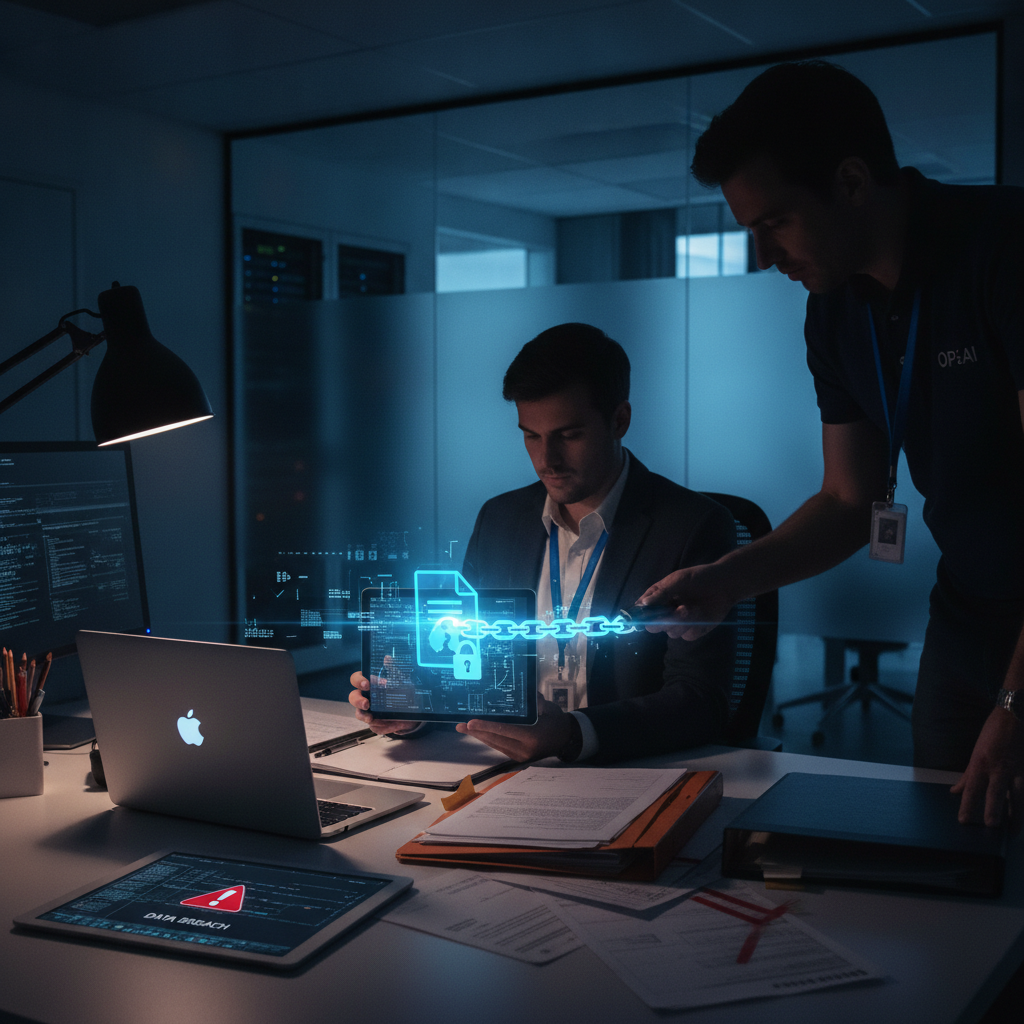
كشفت رسائل بريد إلكتروني تم الكشف عنها مؤخرًا من عامي 2017 و2018، وعُرضت في محكمة فيدرالية خلال محاكمة إيلون ماسك ضد سام ألتمان، عن لمحة رائعة عن العلاقة المبكرة والمعقدة في كثير من الأحيان بين مايكروسوفت وOpenAI. تُظهر هذه المراسلات بين أكثر من اثني عشر مديرًا تنفيذيًا في مايكروسوفت، بمن فيهم الرئيس التنفيذي ساتيا ناديلا، تحفظات كبيرة بشأن توفير تمويل إضافي لـ OpenAI عندما كانت لا تزال مختبرًا بحثيًا صغيرًا غير ربحي، قبل وقت طويل من تحولها إلى عملاق الذكاء الاصطناعي والمنافس الشرس الذي هي عليه اليوم.
كان جوهر النقاش الأولي هو طلب OpenAI للحصول على قوة حوسبة كبيرة. ففي أغسطس 2017، وبعد رسالة تهنئة من ناديلا على فوز OpenAI في مسابقة ألعاب فيديو تعتمد على الذكاء الاصطناعي، طلب الرئيس التنفيذي لـ OpenAI، سام ألتمان، خدمات حوسبة سحابية من مايكروسوفت أزور بقيمة 300 مليون دولار. ومع ذلك، كان المدراء التنفيذيون في مايكروسوفت متشككين إلى حد كبير. أشارت الردود الداخلية من فرق مثل أقسام الذكاء الاصطناعي والأبحاث في مايكروسوفت إلى أنهم لم يروا "أي قيمة في المشاركة" أو اعتقدوا أن عملهم الخاص كان "أكثر تقدمًا". كانت هناك أيضًا مخاوف من فرق العلاقات العامة بشأن دعم مجموعة تروج لفكرة "الآلات التي تهزم البشر". أشار تحليل إلى أن مايكروسوفت قد تخسر حوالي 150 مليون دولار على مدى عدة سنوات إذا قدمت الخدمات المطلوبة، مما دفع نائب الرئيس التنفيذي جيسون زاندر إلى التحذير من تكبد "خسارة فادحة".
عبر ناديلا نفسه عن تحفظاته، حيث أرسل بريدًا إلكترونيًا في يناير 2018 إلى 15 مديرًا تنفيذيًا، ذكر فيه: "بشكل عام، لا أستطيع تحديد نوع البحث الذي يقومون به وكيف يمكن أن يساعدنا إذا تمت مشاركته معنا على التقدم". هذا التشكك كان يتناقض مع تأكيدات إيلون ماسك بأن OpenAI كانت على وشك تحقيق "اختراقات كبيرة في الذكاء الاصطناعي العام (AGI)". في وقت سابق، اقترح ألتمان حتى ترخيص الذكاء الاصطناعي للألعاب الخاص بـ OpenAI لقسم Xbox في مايكروسوفت مقابل 35-50 مليون دولار من أرصدة أزور، وهو مبلغ لم تستطع Xbox الالتزام به، مما دفع مايكروسوفت إلى التفكير في إنهاء جميع الخصومات.
كان عامل حاسم في تغيير رأي مايكروسوفت في نهاية المطاف هو التهديد الوشيك للمنافسة. أعرب كل من كبير مسؤولي التكنولوجيا كيفن سكوت وجيسون زاندر عن مخاوف قوية من أن عدم تمويل OpenAI قد يدفعها "إلى أحضان أمازون"، المزود السحابي المهيمن في ذلك الوقت. لقد خشوا أن "تغادر OpenAI إلى أمازون بغضب وتسيء السمعة عنا وعن أزور في طريقها"، مما قد يؤدي إلى مشاركة الابتكارات مع المنافسين. لم تكن هذه المخاوف لا أساس لها من الصحة؛ تشير التقارير الأخيرة إلى أن OpenAI التزمت بإنفاق 138 مليار دولار على خدمات أمازون السحابية، مع موافقة أمازون على استثمار 15-50 مليار دولار في OpenAI.
على الرغم من التردد الأولي وقرار إبلاغ ألتمان بأنه لن يلتزم أي فريق داخلي برعاية OpenAI، إلا أن العلاقة ازدهرت في النهاية. فبعد حوالي 18 شهرًا من هذه الرسائل الإلكترونية، أعلنت مايكروسوفت عن استثمار تاريخي بقيمة مليار دولار في OpenAI. حدث هذا التحول بعد أن أنشأت OpenAI ذراعًا ربحيًا، مما أتاح لمايكروسوفت إمكانية تحقيق عوائد كبيرة، تصل إلى 20 مليار دولار وفقًا للتقارير. حول هذا التحول الاستراتيجي الشراكة المترددة إلى واحدة من أهم التعاونات في تاريخ التكنولوجيا، مؤكدًا على التفاعل المعقد بين المخاطر المالية، والاستراتيجية التنافسية، والرؤية طويلة المدى.
تقدم الكشوفات من محاكمة ماسك ضد ألتمان سياقًا تاريخيًا لا يقدر بثمن، وتوضح المداولات الداخلية والمخاوف الاستراتيجية التي شكلت قرار مايكروسوفت بدعم كيان لم يثبت بعد. كما تسلط الضوء على كيف أدت مزيج من التشكك والضغط التنافسي والوعد المحتمل بالعائد المالي في نهاية المطاف إلى شراكة أعادت تشكيل مشهد الذكاء الاصطناعي بشكل عميق.