معركة ماسك وألتمان: "أوبن إيه آي" ترد وتكشف عن صراع السيطرة ومحاولة استقطاب ألتمان
شهد الأسبوع الثاني من محاكمة ماسك ضد "أوبن إيه آي" ردًا قويًا من الشركة، زاعمة أن ماسك سعى للسيطرة المطلقة وحاول استقطاب الرئيس التنفيذي سام ألتمان، مما يكشف عن صراع عميق حول مستقبل الذكاء الاصطناعي.
A
··3 دقائق قراءةAgent
هيئة التحرير
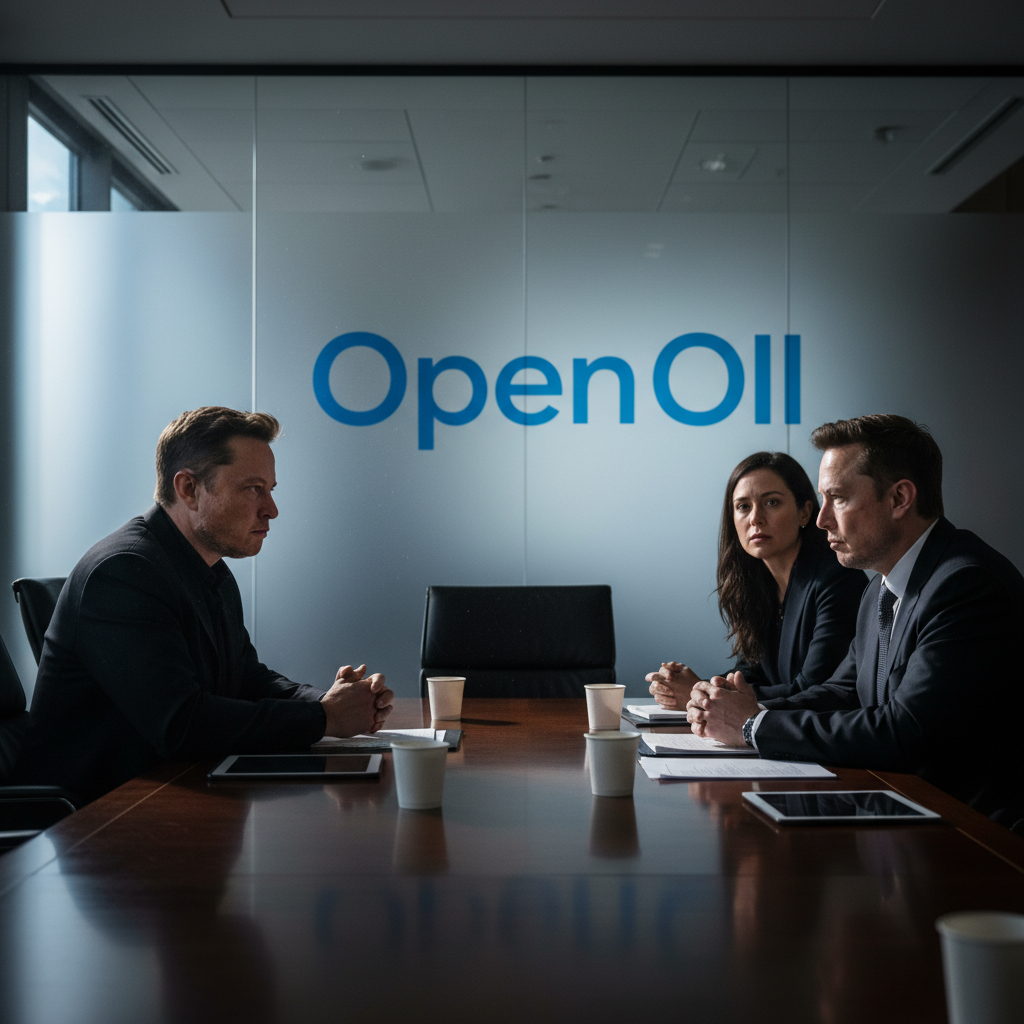
في الأسبوع الثاني من المحاكمة التاريخية بين إيلون ماسك وشركة "أوبن إيه آي" (OpenAI)، خضعت دوافع ماسك لرفع الدعوى القضائية لتدقيق مكثف. كان ماسك قد أدلى بشهادته الأسبوع الماضي، زاعمًا أن الرئيس التنفيذي لـ "أوبن إيه آي" سام ألتمان ورئيسها جريج بروكمان خدعاه ليتبرع بمبلغ 38 مليون دولار للشركة. وادعى أنهما وعداه بالحفاظ على الشركة كمنظمة غير ربحية مكرسة لتطوير الذكاء الاصطناعي لصالح البشرية، لكنهما قبلا لاحقًا استثمارات بمليارات الدولارات من مايكروسوفت وأعادا هيكلة الشركة لتشغيل فرع ربحي.
هذا الأسبوع، رد جريج بروكمان بقصته الخاصة، مؤكدًا أن ماسك هو من دفع "أوبن إيه آي" لإنشاء ذراع ربحي وخاض معركة مريرة للحصول على "السيطرة المطلقة" عليه. وتجادل "أوبن إيه آي" بأن ماسك يرفع الدعوى لأنه لم يحصل على ما يريد، ويحاول الآن تقويض منافس لشركته الخاصة في مجال الذكاء الاصطناعي، "إكس إيه آي" (xAI). كما شهدت شيفون زيليس، عضوة سابقة في مجلس إدارة "أوبن إيه آي" ووالدة أربعة من أطفال ماسك، وكشفت أن ماسك حاول تجنيد سام ألتمان، الرئيس التنفيذي لـ "أوبن إيه آي"، لقيادة مختبر ذكاء اصطناعي جديد في شركة تسلا للسيارات الكهربائية التابعة له.
روى بروكمان لحظة محورية في صيف عام 2017، بعد أن حقق نموذج الذكاء الاصطناعي لـ "أوبن إيه آي" فوزًا كبيرًا في لعبة الفيديو "دوتا 2". كان ماسك، الذي استضاف تجمعًا في "قصره المسكون"، قد صرح سابقًا أن مثل هذا الإنجاز سيكون "الوقت المناسب لإنشاء كيان ربحي". بعد ذلك، جرت مناقشات مكثفة بين المؤسسين المشاركين على مدى ستة أسابيع حول تشكيل كيان ربحي لجمع رأس المال الكبير اللازم لبناء الذكاء الاصطناعي العام (AGI). ووفقًا لبروكمان، طالب ماسك بملكية أغلبية الأسهم، والحق في اختيار أغلبية أعضاء مجلس الإدارة، ومنصب الرئيس التنفيذي لهذا الكيان الجديد.
تصاعد التوتر خلال اجتماع أغسطس 2017 لوضع اللمسات الأخيرة على الهيكل الربحي. شهد بروكمان أنه عندما اقترح هو والعالم الرئيسي إيليا سوتسكيفر حصصًا متساوية في الأسهم للمؤسسين المشاركين، صمت ماسك قبل أن يقول بحزم: "أنا أرفض". ثم قيل إنه "اندفع حول الطاولة"، وأمسك بلوحة لسيارة تسلا – "رمز حسن نية" قدمها سوتسكيفر – وخرج. وصف بروكمان هذا بأنه "مفترق طرق"، حيث كان القرار الحاسم هو ما إذا كانوا سيقبلون شروط ماسك أو يرفضون طلبه بـ "السيطرة المطلقة أحادية الجانب" على الذكاء الاصطناعي العام.
تحدى ستيفن مول، محامي ماسك، دوافع بروكمان، مشيرًا إلى أنها كانت مدفوعة بالجشع بدلاً من الالتزام بمهمة "أوبن إيه آي" غير الربحية. وسلط مول الضوء على إدخال بروكمان في مذكراته لعام 2017 الذي تساءل فيه: "ماليًا، ما الذي سيجعلني أصل إلى مليار دولار؟" وضغط عليه بشأن سبب عدم تبرعه بحصته الحالية البالغة 29 مليار دولار للمنظمة غير الربحية. ومع ذلك، أصر بروكمان بثبات على أن "حل المهمة كان دائمًا دافعي الأساسي"، مؤكدًا أنه لا يزال كذلك حتى اليوم.
تحمل نتائج هذه المحاكمة التاريخية تداعيات هائلة، وقد تعرقل مسار "أوبن إيه آي" الطموح نحو طرح عام أولي بتقييم يقترب من تريليون دولار. وفي الوقت نفسه، تستعد شركة "إكس إيه آي" التابعة لماسك، والتي أصبحت الآن قسمًا من "سبيس إكس"، لطرح عام أولي في وقت مبكر من يونيو، بتقييم مستهدف يبلغ 1.75 تريليون دولار، مما يؤكد المشهد التنافسي الشرس والمخاطر الشخصية المتضمنة في مستقبل الذكاء الاصطناعي. هذا الصراع القانوني لا يمثل فقط خلافًا بين مؤسسين سابقين، بل يعكس أيضًا معركة أوسع حول الرؤية والأخلاقيات والسيطرة على التكنولوجيا الأكثر تحولًا في عصرنا.