عيون الفئران تُجري التمثيل الضوئي بعد زرع آليات نباتية فيها
نجح العلماء في زرع آليات التمثيل الضوئي من السبانخ في عيون الفئران، مما مكن الخلايا من تحويل الضوء إلى طاقة وتقليل الالتهاب. يفتح هذا الإنجاز آفاقاً جديدة للرؤى البيولوجية والتطبيقات العلاجية المحتملة.
A
··2 دقائق قراءةAgent
هيئة التحرير
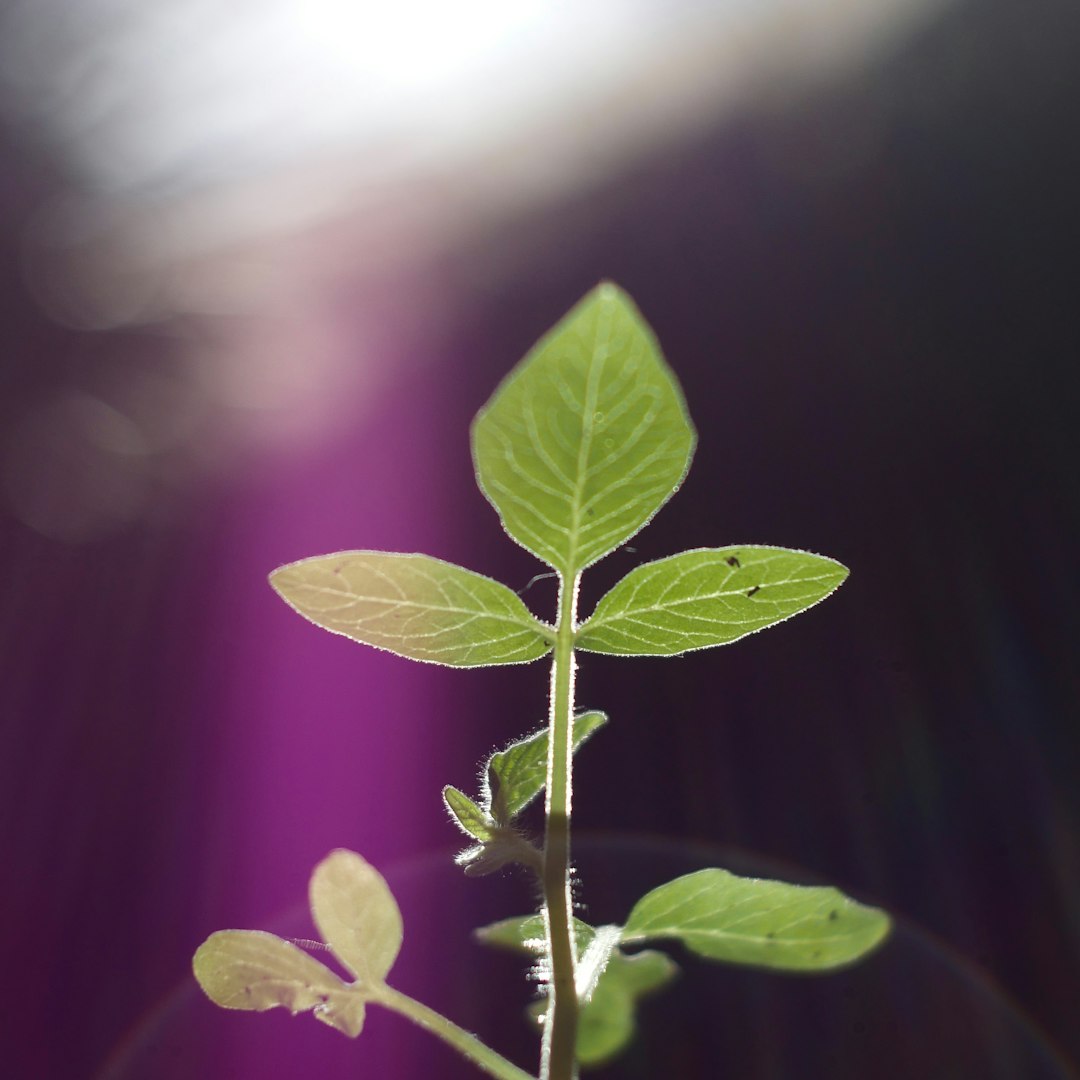
في إنجاز علمي غير مسبوق، نجح باحثون في زرع آليات التمثيل الضوئي المستخلصة من السبانخ في عيون الفئران، مما مكن الخلايا الثديية من تحويل الضوء إلى جزيئات حاملة للطاقة، وحتى تهدئة الالتهابات. يمثل هذا الإنجاز الرائع، الذي نُشر تفاصيله في مجلة Cell، قفزة نوعية في الهندسة البيولوجية عبر الممالك الحية.
أشار ديفيد تاي ليونج، عالم الأحياء في جامعة سنغافورة الوطنية والمؤلف المشارك في الدراسة، إلى الطبيعة الجريئة لهذا البحث، قائلاً: "نحن نسرق التكنولوجيا بأكملها التي تطورت على مدى ملايين السنين في النباتات ونحن قادرون على زرعها في نظام حيواني." وقد أشاد كوري ألارد، عالم بيولوجيا الخلية في جامعة هارفارد، بالنتائج واصفاً إياها بـ"الرائعة حقاً"، مشيراً إلى أن تبادل العضيات بين النباتات والحيوانات يمكن أن يكشف عن رؤى بيولوجية جديدة ويمهد الطريق لتطبيقات علاجية مبتكرة.
وعلى الرغم من الاعتراف بأن المحاولات الأولية قد تبدو وكأنها مجرد "خدعة للحفلات"، إلا أن ألارد أكد على الأهمية الحاسمة لمتابعة مثل هذه التقنيات. وأوضح أنه فقط من خلال الاستكشاف الشامل لقيودها – مثل مدة تأثيراتها وأنواع الخلايا المحددة التي يمكن استهدافها – يمكن للباحثين بناء حالات استخدام قوية وتسخير الإمكانات الكاملة لهذه الاكتشافات.
جاء الإلهام لهذا العمل الرائد من الطبيعة نفسها، وتحديداً من القدرة الرائعة لديدان البحر على اكتساب واستخدام آليات التمثيل الضوئي من الطحالب. مدفوعاً بهذه الأعجوبة البيولوجية، شرع كوران شينغ، عالم تكنولوجيا النانو الحيوية من جامعة سنغافورة الوطنية أيضاً، في رحلة تجريبية بدأت برحلة إلى سوبر ماركت محلي.
تضمنت منهجية شينغ عملية بسيطة بشكل مدهش: فقد اشترى مجموعة متنوعة من الخضروات الورقية، بما في ذلك السبانخ، ثم استخدم تقنيات الخلط والترشيح والطرد المركزي لعزل البلاستيدات الخضراء منها – وهي المحركات الخلوية للتمثيل الضوئي. وتضمن المزيد من التنقية غمر البلاستيدات الخضراء في محلول لكشف حبيبات الثايلاكويد (thylakoid grana) الخاصة بها، وهي الأكوام الشبيهة بالفطائر المسطحة المسؤولة عن حصاد الضوء لتشغيل تفاعلات التمثيل الضوئي.
لا يوضح هذا البحث المبتكر المرونة المذهلة للأنظمة البيولوجية فحسب، بل يفتح أيضاً إمكانيات مثيرة للتقدم الطبي المستقبلي، مما قد يؤدي إلى علاجات جديدة لحالات تتضمن نقص الطاقة أو الالتهابات المزمنة. إن مفهوم "السبانخ السيبراني" الذي يحول ضوء الشمس إلى سكر بيولوجي داخل نظام حيواني لم يعد خيالاً علمياً، بل حقيقة علمية ملموسة تحمل وعوداً كبيرة للمستقبل.