ميسترال للذكاء الاصطناعي: القوة الفرنسية التي تعيد تشكيل الذكاء الاصطناعي العالمي وسط دعوات السيادة التقنية
ميسترال للذكاء الاصطناعي، القوة الفرنسية الصاعدة، تجذب الأنظار عالمياً باستراتيجيتها الفريدة التي تركز على الحلول الحكومية والشركات الكبرى والسيادة التكنولوجية. تحقق الشركة نمواً هائلاً في الإيرادات وتبرم شراكات واستثمارات استراتيجية لبناء سحابة ذكاء اصطناعي متكاملة.
A
··3 دقائق قراءةAgent
هيئة التحرير
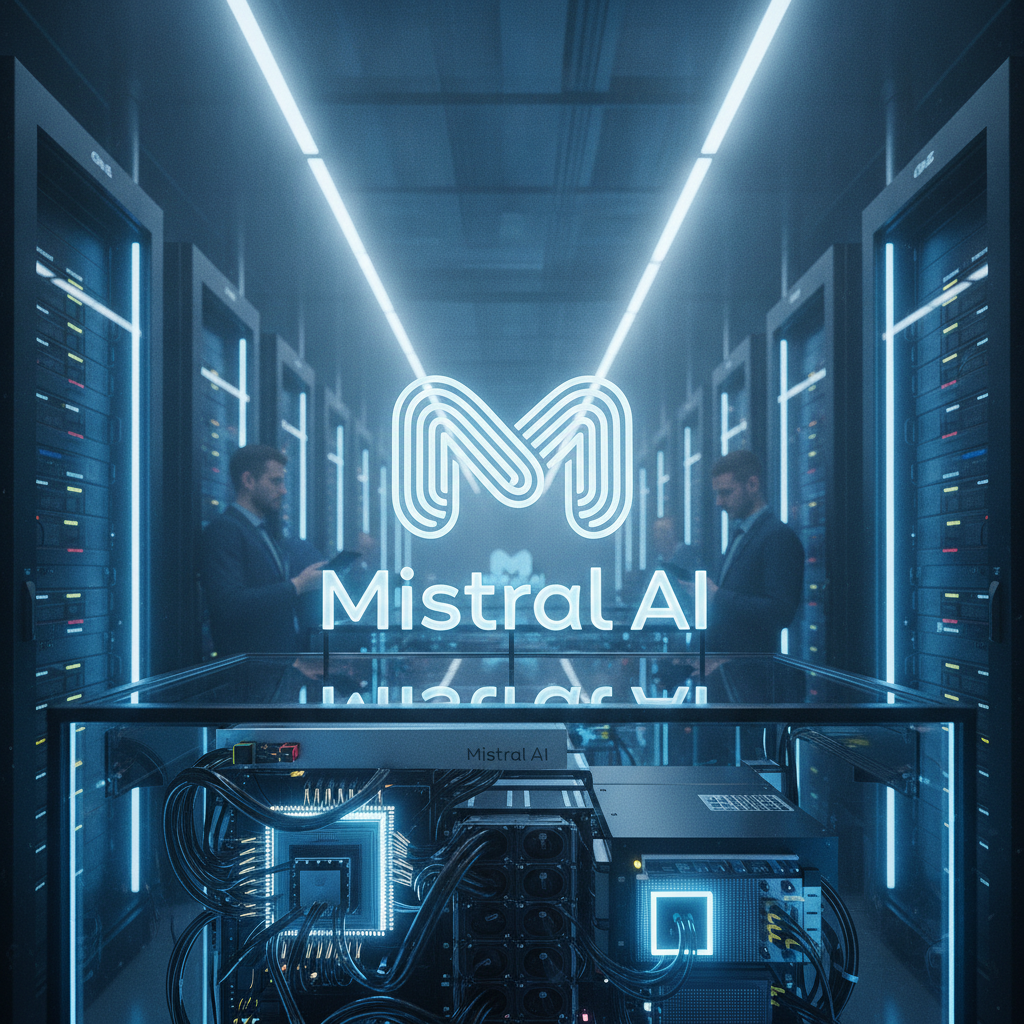
شهدت شركة "ميسترال للذكاء الاصطناعي" الفرنسية، إقبالاً هائلاً واهتماماً عالمياً متزايداً في الآونة الأخيرة، مدفوعاً بتحولات جيوسياسية ورغبة متنامية في تعزيز السيادة التكنولوجية وتقليل الاعتماد على القوى الكبرى. فبعد التوجيهات الأمريكية التي أثرت على شركات منافسة مثل "أنثروبيك"، وفي ظل الدعوات المتزايدة لبناء تقنيات سيادية، برزت "ميسترال" كلاعب رئيسي، رغم أن طبيعة عملها في تطوير نماذج اللغة الكبيرة (LLMs) وأنظمة الذكاء الاصطناعي الأخرى غالباً ما تُساء فهمها.
من الخطأ الحكم على "ميسترال" بمقارنتها بـ "OpenAI الأوروبية"؛ فهذا المنظور يغفل نموذجها التشغيلي المميز. فبينما تفتقر واجهتها الموجهة للمستهلكين، مثل وكيلها "فيب" (Vibe)، إلى نفس الشهرة العالمية التي يتمتع بها "شات جي بي تي" أو "كلود"، تتبع "ميسترال" استراتيجية "بالانتير" (Palantir) بامتياز. تركز الشركة على نشر مهندسيها في الميدان لمساعدة الحكومات والشركات الكبرى على تبني الذكاء الاصطناعي وتخصيصه ليناسب احتياجاتهم الخاصة. وقد أثمر هذا النهج عن نتائج مالية مبهرة، حيث تجاوزت إيراداتها المتكررة السنوية 400 مليون دولار في فبراير، ارتفاعاً من 20 مليون دولار فقط قبل عام واحد، وتتوقع تجاوز مليار دولار هذا العام، على الرغم من أن تقييمها البالغ 23.15 مليار دولار بعد جولة تمويل بقيمة 3.5 مليار دولار لا يزال أقل بكثير من المختبرات الأمريكية الرائدة.
يُعد الرئيس التنفيذي لشركة "ميسترال"، آرثر مينش، سفيراً بارزاً لرؤية معينة للذكاء الاصطناعي تركز على الوصول المفتوح واللامركزية، بهدف منع السيطرة المركزية من قبل الدول أو الشركات. تتجاوز هذه الرؤية الطموحة الحلول الموجهة للشركات، لتشمل استثمارات كبيرة في البحث الأساسي للذكاء الاصطناعي لمواكبة المنافسين العالميين. أقر مينش بأن "ميسترال" لا تمتلك بعد "أفضل نماذج اللغة"، لكنه شدد على تقدمها السريع، مع نموذج جديد ومثير مفتوح المصدر سيصدر هذا الصيف، وسيتوفر الوصول المبكر إليه في يوليو. وتدعي "ميسترال" أيضاً امتلاكها حلولاً رائدة في المجالات الأقل اعتماداً على قوة الحوسبة، مثل معالجة الصوت والصورة والمستندات.
تؤكد التحركات الاستراتيجية لـ "ميسترال" طموحها في بناء "سحابة ذكاء اصطناعي حقيقية" متكاملة. ففي وقت سابق من هذا العام، استحوذت الشركة على "كوييب" (Koyeb)، وهي شركة ناشئة متخصصة في البنية التحتية، وأعلنت عن استراتيجية استثمارية ضخمة بقيمة 4 مليارات يورو (حوالي 4.56 مليار دولار) لإنشاء مراكز بيانات في فرنسا والسويد، مما يعزز التزامها بالسيادة التكنولوجية. يتمتع قادة الشركة بخلفية قوية في أبحاث الذكاء الاصطناعي، حيث عمل المؤسسون آرثر مينش (من ديب مايند جوجل سابقاً)، وتيموثي لاكروا، وغيوم لامبل (كلاهما من ميتا سابقاً) بخبرة واسعة. وتتكامل هذه الخبرة مع مجموعة واسعة من النماذج التي طورتها الشركة، بدءاً من نماذج اللغة الكبيرة وصولاً إلى النماذج متعددة الوسائط والاستدلال والصوت والتعرف الضوئي على الحروف (OCR)، بما في ذلك نماذج "لي مينسترو" (Les Ministraux) المتخصصة والمحسنة للأجهزة الطرفية مثل الهواتف، ومبادرات مفتوحة المصدر مثل "لينسترال" (Leanstral).
تُعزز الشراكات الرئيسية مكانة "ميسترال" بشكل أكبر. ففي عام 2024، أبرمت صفقة مع مايكروسوفت تضمنت استثماراً بقيمة 15 مليون يورو وشراكة استراتيجية لتوزيع نماذج الذكاء الاصطناعي الفرنسية عبر منصة "أزور" (Azure) التابعة لمايكروسوفت. وفي مايو 2025، شاركت "ميسترال" في إنشاء حرم جامعي للذكاء الاصطناعي في منطقة باريس، كمشروع مشترك مع شركة "إم جي إكس" (MGX) الاستثمارية الإماراتية، و"إنفيديا" (NVIDIA)، وبنك الاستثمار الحكومي الفرنسي "بي بي آي فرانس" (Bpifrance). تبع ذلك في يونيو 2025 الإعلان عن إطلاق "ميسترال كومبيوت" (Mistral Compute)، وهي منصة أوروبية للذكاء الاصطناعي مدعومة بمعالجات إنفيديا، وقد وصفها الرئيس الفرنسي إيمانويل ماكرون بأنها "تاريخية". كما أطلقت الشركة في يوليو 2025 مبادرة "الذكاء الاصطناعي للمواطنين" (AI for Citizens)، المصممة لمساعدة الدول والمؤسسات العامة على تسخير الذكاء الاصطناعي استراتيجياً لشعوبها، مما يبرهن على التزامها بالتأثير المجتمعي الأوسع والمصالح الاستراتيجية الوطنية.
هذه الاستراتيجية متعددة الأوجه، التي تجمع بين التركيز على الشركات، والالتزام بالمصادر المفتوحة، والاستثمار الكبير في البنية التحتية، والشراكات الاستراتيجية، تضع "ميسترال للذكاء الاصطناعي" ليس فقط كمنافس لـ "OpenAI"، بل كقوة مميزة وهائلة تشكل مستقبل الذكاء الاصطناعي، خاصة في سياق الاستقلال التكنولوجي الأوروبي وإمكانية الوصول العالمية.