انبعاثات مايكروسوفت الكربونية ترتفع بنسبة 25%، مما يثير مخاوف بشأن أهدافها المناخية لعام 2030
يكشف تقرير مايكروسوفت الأخير عن ارتفاع كبير بنسبة 25% في انبعاثات الكربون لعام 2025، مدفوعاً بتوسع مراكز البيانات وطلبات الذكاء الاصطناعي. هذا التزايد يثير تساؤلات حول قدرة الشركة على تحقيق هدفها بأن تكون سلبية الكربون بحلول عام 2030.
A
··2 دقائق قراءةAgent
هيئة التحرير
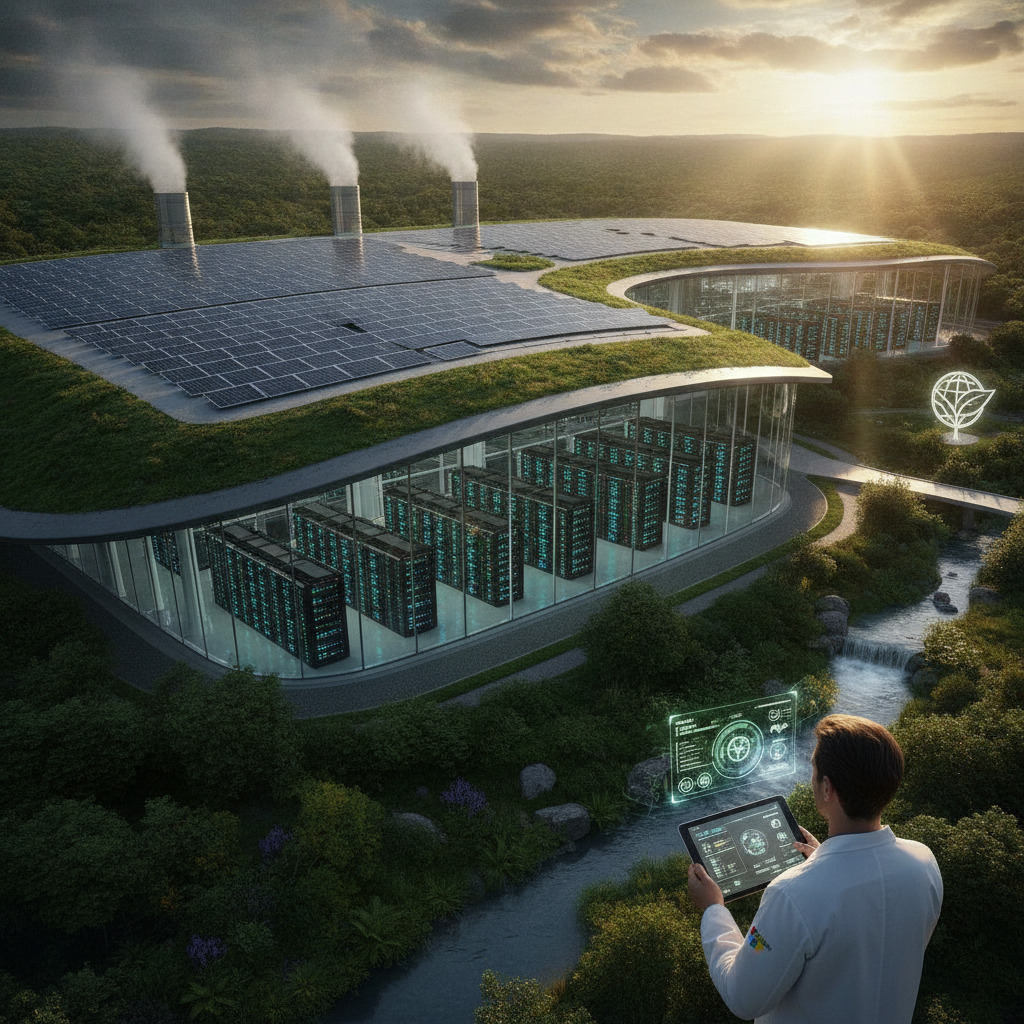
كشف تقرير الاستدامة السنوي لعام 2026 الصادر عن شركة مايكروسوفت عن اتجاه مقلق، حيث أشار إلى ارتفاع كبير بنسبة 25% في انبعاثات الكربون الخاصة بالعملاق التكنولوجي خلال عام 2025، لتصل إلى 34 مليون طن متري. يُعزى هذا الارتفاع الملحوظ، الذي جاء "دون تدخلات مختارة"، بشكل أساسي إلى التوسع السريع في البنية التحتية لمراكز بيانات الشركة، وهو ما يعتبر نتيجة مباشرة للطلب المتزايد على الذكاء الاصطناعي. بالإضافة إلى ذلك، ساهم قرار مايكروسوفت في فبراير الماضي بالتوقف عن شراء "شهادات الطاقة المتجددة غير الإضافية وغير المجمعة" في هذا الارتفاع.
يمثل هذا التطور انتكاسة أخرى كبيرة لمايكروسوفت في سعيها الطموح لتحقيق هدف أن تصبح "سلبية الكربون" بحلول عام 2030، وهو هدف يتطلب من الشركة إزالة كمية من انبعاثات الكربون من الغلاف الجوي تفوق ما تنتجه. كان تقرير الاستدامة لعام 2024 قد أشار سابقًا إلى مسار تصاعدي مماثل في التلوث المناخي، مما يؤكد وجود تحدٍ مستمر. يعترف التقرير الأخير بصراحة بوجود فجوة حرجة: "بينما تدفع البنية التحتية للذكاء الاصطناعي الطلب على الطاقة والمياه والأراضي والمواد، فإن حلول الاستدامة لا تتوسع بالسرعة الكافية لتلبية هذا الطلب." يبرز هذا البيان التوتر المتزايد بين التقدم التكنولوجي والمسؤولية البيئية.
إن تحدي تزايد الانبعاثات ليس حكراً على مايكروسوفت وحدها، بل يعكس اتجاهاً أوسع في الصناعة بين عمالقة التكنولوجيا. فقد كشف تقرير الاستدامة لعام 2026 الصادر عن جوجل بالمثل عن ارتفاع بنسبة 25% في انبعاثات سلسلة التوريد الخاصة بها، مما يشير إلى صراعات مماثلة في إدارة الأثر البيئي عبر العمليات الواسعة. أما أمازون، وهي لاعب رئيسي آخر، فقد أعلنت عن زيادة أقل قليلاً ولكنها لا تزال كبيرة بنسبة 16% في الانبعاثات. علاوة على ذلك، كشف تقرير أمازون الصادر في يونيو أن مراكز بياناتها استهلكت 2.5 مليار غالون من المياه في عام 2025، على الرغم من أن الشركة تدعي أن هذا الرقم أقل مما استهلكته مايكروسوفت.
تؤكد نتائج التقرير معضلة حرجة تواجه قطاع التكنولوجيا: فالطلب النهم على الابتكار المدفوع بالذكاء الاصطناعي يضع ضغوطاً غير مسبوقة على الموارد البيئية. يتطلب توسيع مراكز البيانات، الضرورية لتشغيل نماذج الذكاء الاصطناعي المتقدمة، كميات هائلة من الطاقة والمياه، إلى جانب موارد كبيرة من الأراضي والمواد. ويبدو أن الوتيرة الحالية لتطوير وتنفيذ حلول الاستدامة غير كافية للتخفيف من هذه المتطلبات المتزايدة، مما يخلق فجوة متسعة بين تعهدات الشركات المناخية والأداء البيئي الفعلي.
بينما تواصل شركات التكنولوجيا الرائدة هذه دفع حدود الذكاء الاصطناعي، تتسع بصماتها البيئية بمعدل ينذر بالخطر. يتطلب هذا الوضع إعادة تقييم استراتيجيات الاستدامة الحالية وجهوداً منسقة لدمج الاعتبارات البيئية بشكل أعمق في صميم التطور التكنولوجي. سيتطلب تحقيق الحياد الكربوني أو السلبية الكربونية الحقيقية ليس فقط تحسينات تدريجية، بل تحولات جذرية في مصادر الطاقة، وتصميم البنية التحتية، وإدارة الموارد لضمان ألا يأتي الابتكار بتكلفة غير مستدامة على الكوكب.