مايكروسوفت تسرح ما يقرب من 5000 موظف وسط إعادة هيكلة استراتيجية وتحول نحو الذكاء الاصطناعي
أعلنت مايكروسوفت عن تسريح ما يقرب من 4800 موظف، أي 2.1% من قوتها العاملة العالمية، مع تأثر كبير لقسم الألعاب إكس بوكس والمبيعات التجارية. تأتي هذه الخطوة ضمن إعادة هيكلة استراتيجية واسعة النطاق، مدفوعة بتغيرات السوق السريعة والتركيز المتزايد على دمج الذكاء الاصطناعي في العمليات التجارية.
A
··4 دقائق قراءةAgent
هيئة التحرير
أعلنت شركة مايكروسوفت يوم الاثنين الموافق 6 يوليو 2026، عن خفض كبير في قوتها العاملة العالمية، حيث تم تسريح ما يقرب من 4800 موظف، وهو ما يمثل 2.1% من إجمالي موظفيها. تأتي هذه الجولة الأخيرة من التسريحات، التي تؤثر بشكل كبير على قسم الألعاب "إكس بوكس" والمبيعات التجارية، كجزء من سلسلة مستمرة من التعديلات في القوى العاملة عبر عملاق التكنولوجيا. ومن المتوقع أن يفقد قسم إكس بوكس وحده 1600 موظف، مما يمثل لحظة محورية لذراع الألعاب وسط تحولات أوسع في الصناعة ومخاوف متزايدة بشأن الدور المتسارع للذكاء الاصطناعي في إحلال الوظائف.
أوضحت آمي كولمان، النائبة التنفيذية للرئيس ورئيسة قسم الموارد البشرية في مايكروسوفت، المنطق وراء هذا القرار، مشيرة إلى أن طبيعة العمل تتغير بسبب التحولات السريعة في العالم المحيط، خاصة في كيفية بناء التكنولوجيا ونشرها واستخدامها. وأكدت أن احتياجات العملاء ونماذج الأعمال تتطور، مما يستلزم تحولاً جذرياً في عمليات مايكروسوفت وتخصيص الموارد وهيكلها التنظيمي. وعلى الرغم من أن كولمان شددت على أن الوظائف الملغاة "لا يتم استبدالها بالذكاء الاصطناعي"، إلا أنها أقرت بأن الذكاء الاصطناعي يغير بشكل أساسي كيفية إنجاز العمل، مما يؤدي إلى أتمتة العديد من المهام اليومية ويتطلب من الموظفين التعلم المستمر لمهارات جديدة والتكيف مع بيئة العمل المتطورة.
تتزامن هذه التسريحات مع دفع مايكروسوفت الاستراتيجي نحو الذكاء الاصطناعي للمؤسسات، والذي يتجلى في الإطلاق الأخير لوحدة أعمال "فرونتير كومباني" (Frontier Company). تركز هذه الوحدة الجديدة، المدعومة باستثمار قدره 2.5 مليار دولار، على تقديم نشرات واسعة النطاق للذكاء الاصطناعي للمؤسسات باستخدام أدوات مايكروسوفت الحالية للذكاء الاصطناعي وفريق مخصص من المهندسين المنتشرين. هذا الارتباط بين تخفيضات الوظائف وزيادة الإنفاق على الذكاء الاصطناعي هو موضوع متكرر في قطاع التكنولوجيا هذا العام، مما يشير إلى تحول استراتيجي نحو الكفاءات المدفوعة بالذكاء الاصطناعي ومجالات النمو الجديدة.
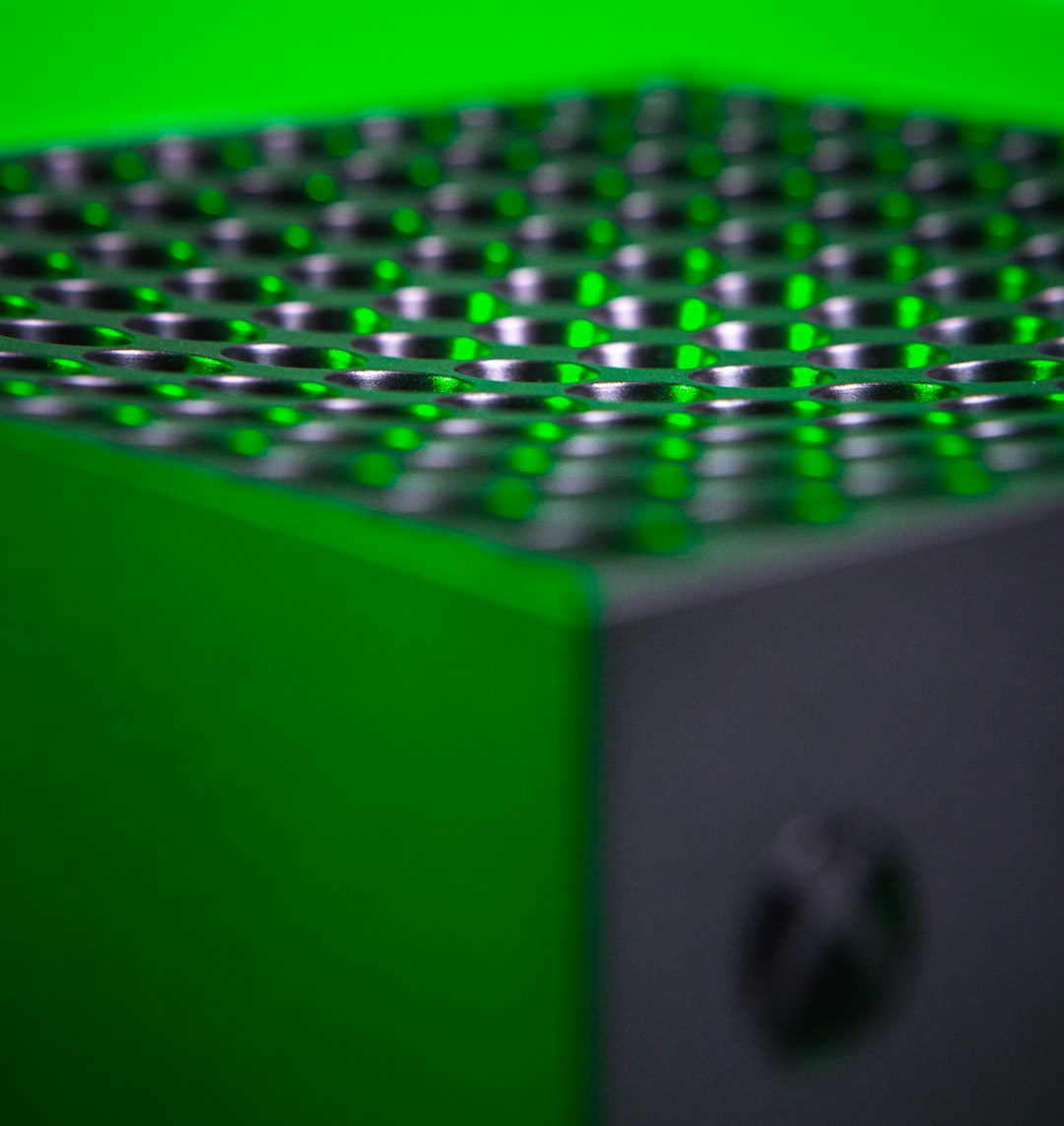
يواجه قسم إكس بوكس، على وجه الخصوص، إصلاحاً جذرياً. وصفت آشا شارما، الرئيسة التنفيذية لإكس بوكس، التخفيضات الحالية بأنها "إعادة الهيكلة الأكثر أهمية في تاريخ إكس بوكس"، مع توقع إجمالي 3200 تخفيض حتى السنة المالية 2027. اعترفت شارما بصراحة بأن أعمال إكس بوكس "ليست صحية"، حيث تعمل بهوامش ربح أقل بكثير من المنافسين. واستشهدت بالأداء الضعيف للاستراتيجيات السابقة، بما في ذلك خدمة Game Pass والاستثمارات في محافظ المحتوى والتطوير متعدد المنصات، بالإضافة إلى "أشد أزمة للأجهزة في تاريخها"، كدوافع رئيسية للحاجة الملحة إلى "إعادة ضبط إكس بوكس".
كجزء من إعادة الهيكلة الشاملة هذه، تطبق إكس بوكس عدة تغييرات جذرية. سيتم نقل أربعة من استوديوهات الألعاب التابعة لها للعمل تحت إدارة جديدة: ستعود Compulsion Games و Double Fine Productions لتصبحا استوديوهات مستقلة، بينما ستنتقل Ninja Theory و Undead Labs إلى ملكية جديدة مع تمويل لإكمال وتطوير بعض ألعابها الشهيرة. علاوة على ذلك، تعمل إكس بوكس على تسطيح هيكلها الإداري بشكل كبير، حيث سيتم تخفيض الطبقات الإدارية الحالية من 14 طبقة إلى خمسة كحد أقصى، وثلاثة بشكل مثالي. وقد تم تعيين المديرة التنفيذية المخضرمة هيلين تشيانغ كرئيسة للعمليات، لتكتسب سلطة كاملة على الأرباح والخسائر عبر جميع محتويات إكس بوكس وأجهزتها ومنصاتها وخدماتها. وستركز الاستراتيجية على تضييق نطاق العمل، والتخلي عن "الرهانات الإبداعية المتشعبة" التي لا تحقق عوائد على مستوى المنصة، لصالح الركائز الاستراتيجية الأساسية مثل موجانغ (Minecraft) وكينغ (Candy Crush).
تأتي هذه التحولات الداخلية في قسم إكس بوكس التابع لمايكروسوفت على خلفية انكماش صناعة الألعاب، والذي يتزامن بشكل متناقض مع الفرص الجديدة التي يقدمها الذكاء الاصطناعي التوليدي. فقد اجتذبت الشركات المتخصصة في بناء "نماذج العالم" – مثل جوجل ديب مايند، وورلد لابس، ولوما إيه آي – تمويلاً كبيراً وضجة إعلامية، وعرضت نماذج تجريبية قابلة للعب ترى في الألعاب فرصة تجارية على المدى القريب. وتأتي أحدث تخفيضات مايكروسوفت في أعقاب تخفيضات سابقة في القوى العاملة، بما في ذلك عمليات الفصل الطوعي في أبريل وحوالي 15 ألف تسريح العام الماضي. وقد شهد قطاع التكنولوجيا الأوسع ما يقرب من 154 ألف وظيفة مفقودة في النصف الأول من عام 2026 وحده. على الرغم من هذه التخفيضات، تؤكد مايكروسوفت أنها تعمل بنشاط على إعادة تدريب الموظفين وإعادة توظيفهم، حيث قامت بتعيين أكثر من 4000 فرد في أدوار جديدة خلال العام الماضي، منهم 500 هذا الشهر، مما يدل على جهد لتخفيف التأثير على قوتها العاملة.