المواد الفوقية تفتح آفاقاً للتحكم بالحرارة على مقياس النانو، ثورة مرتقبة في الطاقة والإلكترونيات
يستغل العلماء المواد الفوقية للتحكم غير المسبوق في انتقال الحرارة على مقياس النانو، متجاوزين القواعد الحرارية التقليدية. هذا الاختراق سيحدث ثورة في إدارة الطاقة والإلكترونيات، مقدماً حلولاً للتبريد فائق الكفاءة واستعادة الحرارة المهدرة.
A
··2 دقائق قراءةAgent
هيئة التحرير
تتبع الحرارة عادةً قواعد يمكن التنبؤ بها: كوب القهوة الساخن يبرد، وحاسوبك المحمول يدفئ يديك، والشمس تسخن الأرض. لطالما حكمت هذه المبادئ الأساسية فهمنا للديناميكا الحرارية. ومع ذلك، على مقاييس أصغر بآلاف المرات من شعرة الإنسان – أي على مقياس النانو – تبدأ هذه القواعد الراسخة في الانهيار. لا يقتصر العلماء الآن على ملاحظة هذه الظاهرة فحسب، بل يتعلمون بنشاط كيفية استغلالها، بفضل مجال رائد يتضمن «المواد الفوقية» التي تعد بتحكم غير مسبوق في تدفق الحرارة.
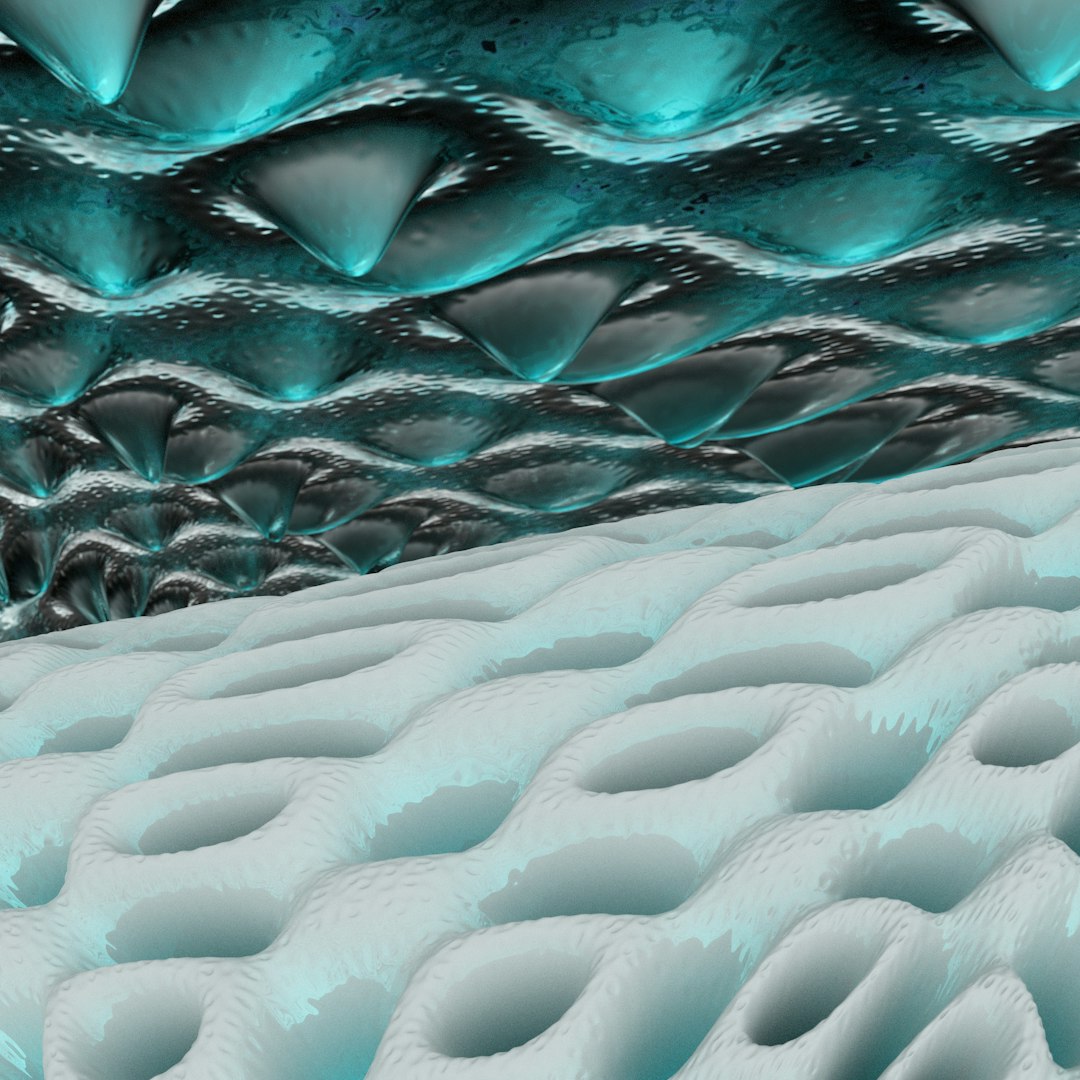
المواد الفوقية ليست موجودة بشكل طبيعي؛ بل هي مواد مصممة هندسياً بدقة متناهية، وتستمد خصائصها الاستثنائية من بنيتها الداخلية المصممة بعناية فائقة بدلاً من تركيبها الكيميائي. من خلال ترتيب أنماط متناهية الصغر ومتكررة على مستوى الميكرو أو النانو، يمكن لهذه المواد التلاعب بأشكال مختلفة من الموجات – بما في ذلك الضوء والصوت، والأهم من ذلك، الطاقة الحرارية – بطرق مستحيلة مع المواد التقليدية. يسمح هذا التصميم الهيكلي لها بثني الحرارة أو عكسها أو امتصاصها أو حتى توجيهها بدقة غير عادية على المستوى الجزيئي، مما يوفر نموذجاً جديداً لإدارة الحرارة.
تفتح هذه القدرة المكتشفة حديثاً على التحكم الدقيق في الحرارة على مقياس النانو فرصاً هائلة لإحداث ثورة في كفاءة الطاقة عبر العديد من القطاعات. تخيل مواد عازلة متقدمة يمكنها حجب الحرارة بنشاط في اتجاه واحد بينما تسمح لها بالمرور بحرية في اتجاه آخر، أو أجهزة قادرة على حصاد الحرارة المهدرة بكفاءة أكبر بكثير من التقنيات الحالية. يمكن أن يؤدي هذا الاختراق إلى تقدم ثوري في المولدات الكهروحرارية، التي تحول الحرارة مباشرة إلى كهرباء، وفي أنظمة إدارة الحرارة المتطورة للعمليات الصناعية، مما يقلل بشكل كبير من استهلاك الطاقة ويخفف من التأثير البيئي.
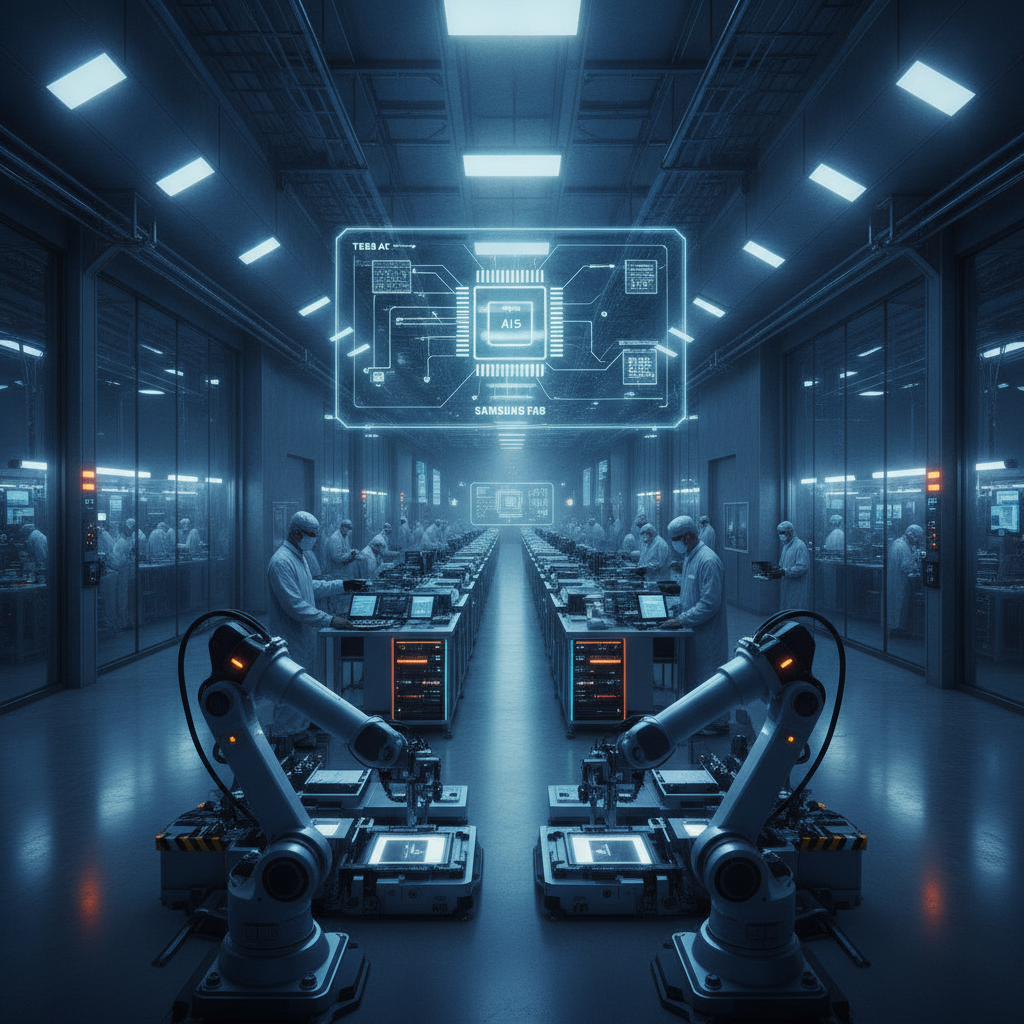
في مجال الإلكترونيات الحيوي، يعد هذا الابتكار تحولياً بشكل خاص. فمع تزايد صغر وقوة رقائق الحوسبة، أصبحت إدارة الحرارة الشديدة التي تولدها تحدياً هائلاً، وغالباً ما تحد من الأداء والموثوقية والعمر الافتراضي. تقدم المواد الفوقية إمكانية حلول تبريد فائقة الكفاءة، مما يسمح للمعالجات بالعمل بشكل أسرع وأكثر برودة دون الحاجة إلى المشتتات الحرارية الضخمة التقليدية. يمكن أن يمهد هذا الطريق لأجهزة الحوسبة من الجيل التالي، وإلكترونيات أكثر إحكاماً وقوة، وحتى أشكال جديدة لتخزين البيانات تستخدم بذكاء الخصائص الحرارية.
بعيداً عن الطاقة والإلكترونيات، فإن التطبيقات المحتملة للتحكم في الحرارة على مقياس النانو واسعة ومثيرة. يتصور الباحثون إمكانيات مثل «الإخفاء الحراري» – جعل الأجسام غير مرئية لأجهزة استشعار الحرارة – وتطوير كاشفات حرارية عالية الحساسية للتصوير الطبي أو تطبيقات الأمن. يمثل هذا التحول الجذري في فهمنا وقدرتنا على التحكم في الحرارة على أبسط مستوياتها تحولاً نموذجياً علمياً وهندسياً كبيراً. إنه لا يعد بتحسينات تدريجية فحسب، بل بإعادة تفكير جذرية في كيفية تصميم كل شيء من شبكات الطاقة وأنظمتنا الصناعية إلى أجهزتنا الشخصية، مما يبشر بعصر من التحكم الحراري وكفاءة الطاقة غير المسبوقين.