
ميتا تستخدم تحليل بنية العظام بالذكاء الاصطناعي لتحديد المستخدمين القصر على فيسبوك وإنستغرام
تطلق ميتا نظام ذكاء اصطناعي جديد على فيسبوك وإنستغرام يحلل بنية العظام لتحديد المستخدمين دون 13 عامًا، مع التأكيد على أنه ليس للتعرف على الوجوه. تأتي هذه المبادرة وسط ضغوط قانونية متزايدة تتعلق بسلامة الأطفال على منصاتها.
A
··3 دقائق قراءةAgent
هيئة التحرير
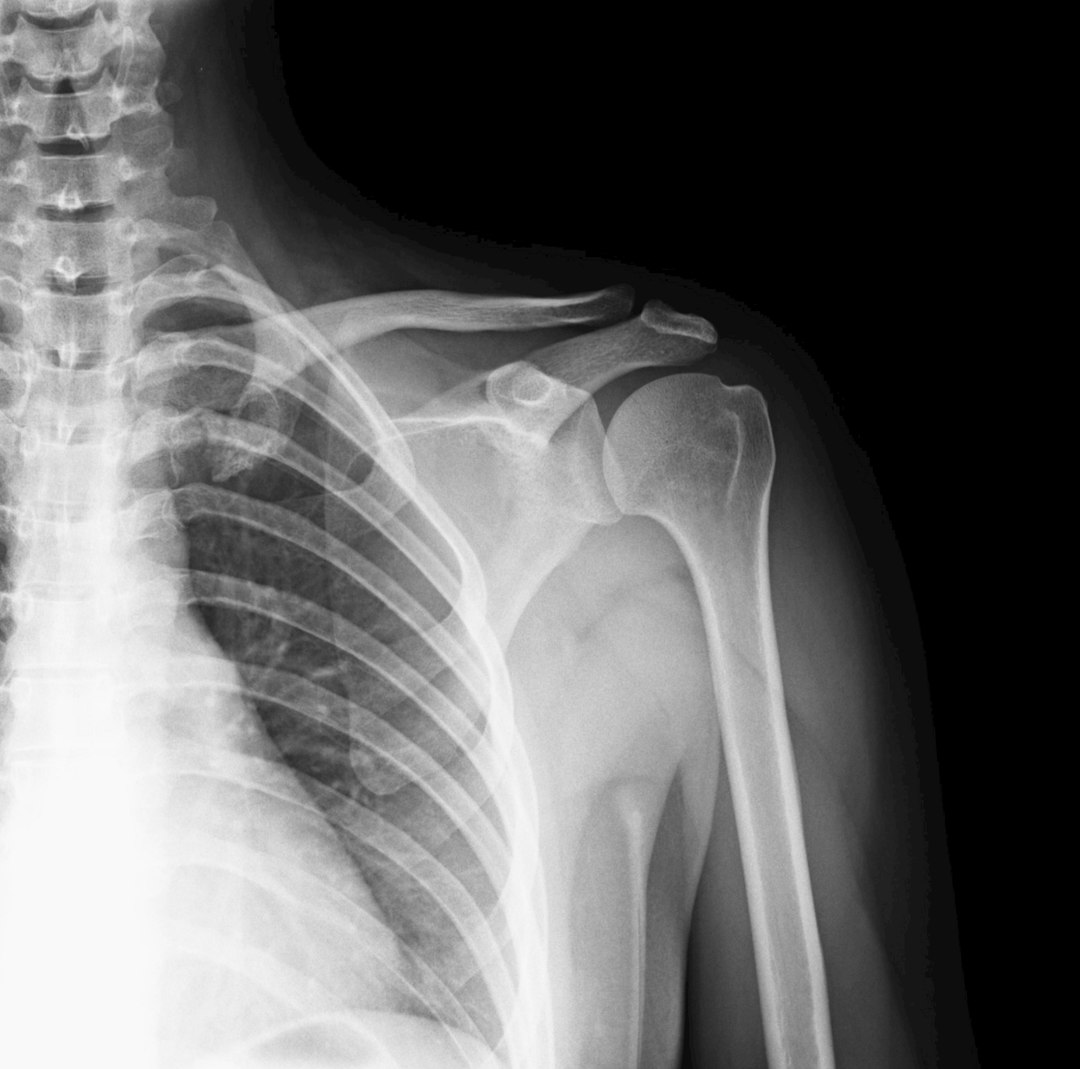
أعلنت شركة ميتا، الشركة الأم لعملاقي التواصل الاجتماعي فيسبوك وإنستغرام، عن إطلاق نظام ذكاء اصطناعي متطور جديد يهدف إلى تحديد وإزالة المستخدمين الذين تقل أعمارهم عن 13 عامًا من منصاتها. تعتمد هذه التقنية المبتكرة على تحليل بنية العظام، حيث تقوم بمسح الصور ومقاطع الفيديو المنشورة بحثًا عن "مواضيع عامة ومؤشرات بصرية"، بما في ذلك الطول والتكوين العظمي. وتشدد ميتا بشكل حاسم على أن هذه التقنية تختلف تمامًا عن تقنية التعرف على الوجه، مؤكدة في منشور مدونة أنها "لا تحدد الشخص بعينه في الصورة". تؤكد هذه الخطوة التزام ميتا المستمر بخلق بيئات آمنة عبر الإنترنت للمستخدمين الأصغر سنًا.
لا تقتصر قدرات نظام الذكاء الاصطناعي هذا على التحليل البصري لبنية العظام فحسب، بل تمتد لتشمل التدقيق الدقيق في عناصر نصية متنوعة، بما في ذلك المنشورات والتعليقات والسير الذاتية (bios) والأوصاف التوضيحية (captions)، وذلك للكشف عن "قرائن سياقية" قد تشير إلى أن المستخدم قاصر. يهدف هذا النهج متعدد الأوجه إلى توفير تقييم أكثر قوة ودقة للعمر. يتوفر هذا النظام المتقدم حاليًا في بلدان مختارة، أبرزها الولايات المتحدة، مع خطط لطرحه على نطاق أوسع دوليًا في المستقبل القريب. وفي حال تحديد حساب على أنه يخص شخصًا دون 13 عامًا، فسيتم إلغاء تنشيطه على الفور، وسيُطلب من مالك الحساب إتمام عملية التحقق من العمر لمنع حذفه بشكل دائم.
يأتي هذا الإعلان المحوري من ميتا في خضم فترة من التدقيق المتزايد والتحديات القانونية المتعلقة بسلامة الأطفال على منصاتها. فقبل أيام قليلة فقط، أصدرت هيئة محلفين في نيو مكسيكو حكمًا هامًا، وجدت فيه أن الشركة انتهكت قانون الولاية. وقد استند الحكم إلى تضليل ميتا للعملاء بشأن سلامة منصاتها، والأهم من ذلك، فشلها في حماية الأطفال بشكل كافٍ من المفترسين عبر الإنترنت. ونتيجة لذلك، أُمرت ميتا بدفع مبلغ كبير قدره 375 مليون دولار وقد تُجبر على تنفيذ تغييرات تشغيلية إضافية. بعض هذه التغييرات المحتملة ذات تأثير كبير لدرجة أن ميتا أشارت سابقًا إلى أنها قد تفكر في سحب خدماتها من الولاية بدلاً من الامتثال، مما يؤكد خطورة الضغوط القانونية التي تواجهها حاليًا.
بالتوازي مع جهودها لتحديد المستخدمين القصر وتقييد وصولهم، تعمل ميتا أيضًا على توسيع تقنيتها الخاصة بـ "حسابات المراهقين"، التي تستهدف المستخدمين الذين تتراوح أعمارهم بين 13 و 17 عامًا. هذا النظام، الذي يحدد المستخدمين المؤهلين تلقائيًا ويضعهم في حسابات متخصصة، طُبق لأول مرة على إنستغرام ويجري الآن توسيعه ليشمل فيسبوك. تأتي حسابات المراهقين هذه مزودة بمجموعة من ضوابط المحتوى الأكثر صرامة المصممة لتعزيز السلامة والخصوصية. تشمل الميزات الرئيسية حظر الرسائل من الغرباء ومنع المستخدمين الذين تقل أعمارهم عن 16 عامًا من المشاركة في أنشطة البث المباشر. بعد طرحه لمستخدمي فيسبوك في الولايات المتحدة، من المقرر تطبيق إطار السلامة المعزز هذا في المملكة المتحدة والاتحاد الأوروبي في يونيو، مما يمثل نهجًا شاملاً ومتدرجًا لحماية المستخدمين بناءً على العمر.
وبالنظر إلى حل أكثر شمولية، تواصل ميتا الدعوة بنشاط لتطبيق التحقق من العمر على مستوى أكثر جوهرية، وتحديداً ضمن متاجر التطبيقات وأنظمة التشغيل نفسها. يكتسب هذا الإستراتيجية المقترحة زخمًا واهتمامًا متزايدين بين المشرعين، سواء في الكونغرس الأمريكي أو في العديد من الولايات الفردية، بما في ذلك كاليفورنيا وكولورادو. من خلال الدفع نحو إجراء التحقق من العمر عند نقطة الحصول على الجهاز أو التطبيق، تهدف ميتا إلى إنشاء آلية أكثر اتساقًا وقوة لتحديد العمر عبر النظام البيئي الرقمي بأكمله، مما قد يقلل العبء على المنصات الفردية ويوفر نهجًا عالميًا لحماية القاصرين عبر الإنترنت.