ترانزستورات ذاكرية جديدة قد تحدث ثورة في الحوسبة بتجاوز حد بولتزمان
كشف باحثون عن إطار نظري جديد يوضح كيف يمكن لـ "الترانزستورات الذاكرية" تجاوز حدود الكفاءة التي تفرضها قوانين الديناميكا الحرارية على الترانزستورات التقليدية. هذا الإنجاز يفتح الباب أمام حوسبة أكثر كفاءة في استهلاك الطاقة بكثير.
A
··2 دقائق قراءةAgent
هيئة التحرير
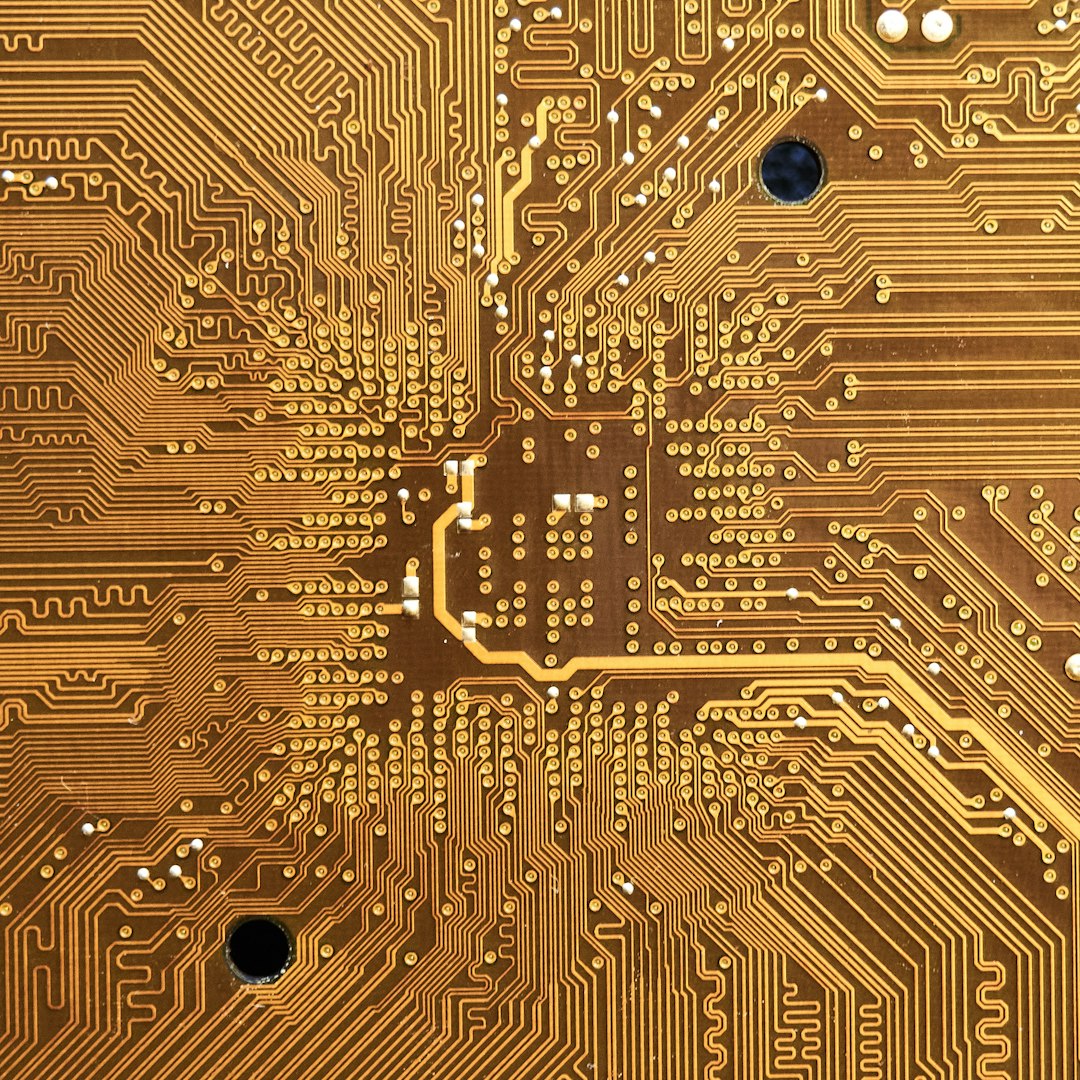
في تطور علمي قد يغير وجه الحوسبة، كشف باحثون عن إطار نظري جديد يوضح كيف يمكن لـ "الترانزستورات الذاكرية" (memtransistors) – وهي نوع مبتكر من الترانزستورات التي تحتفظ بالمعلومات – أن تتجاوز القيود الجوهرية في الكفاءة التي تواجهها الترانزستورات التقليدية المصنوعة من أشباه الموصلات. يعد هذا الإنجاز بكسر حاجز "حد بولتزمان" سيئ السمعة، والذي تفرضه قوانين الديناميكا الحرارية ويحد من كفاءة الأجهزة الإلكترونية الحديثة.
لطالما شكل "حد بولتزمان" عقبة أساسية أمام سعي البشرية الدؤوب نحو أجهزة حوسبة أسرع وأكثر قوة. يمثل هذا المبدأ الديناميكي الحراري الحد الأدنى من الطاقة المطلوبة لمحو بت واحد من المعلومات، وهي عملية أساسية تحدث في كل خطوة حسابية يقوم بها الترانزستور التقليدي. كل عملية محو تولد كمية صغيرة من الحرارة، وعندما تتضاعف هذه العمليات عبر مليارات الترانزستورات التي تعمل في وقت واحد، يصبح توليد الحرارة هذا عنق زجاجة رئيسيًا، مما يؤدي إلى استهلاك كبير للطاقة والحاجة إلى أنظمة تبريد معقدة ومكلفة. لطالما اعتُبر هذا الحد حاجزًا لا مفر منه، يحدد سقف كفاءة الطاقة للإلكترونيات الحديثة.
هنا يأتي دور "الترانزستور الذاكري" أو "الميمترانزستور". على عكس الترانزستورات التقليدية التي تفصل بين المعالجة والذاكرة، مما يتطلب حركة بيانات مستمرة بينهما، تم تصميم الميمترانزستورات للحفاظ على المعلومات مباشرة داخل هيكلها. إنها تجمع بين وظائف الذاكرة والمعالجة في مكون واحد، مما يسمح بإجراء العمليات الحسابية مباشرة في المكان الذي توجد فيه البيانات. هذه القدرة المتأصلة على الاحتفاظ بالذاكرة أمر بالغ الأهمية، لأنها تقلل بشكل كبير من الحاجة إلى محو المعلومات، وبالتالي تتجنب تكلفة الطاقة المرتبطة بحد بولتزمان. من خلال تقليل نقل البيانات ودورات المحو، توفر الميمترانزستورات مسارًا لتقليل تبديد الطاقة بشكل كبير.
الآثار المترتبة على هذا الاختراق النظري عميقة وواعدة للغاية. إذا تم ترجمتها بنجاح إلى تطبيقات عملية، يمكن أن تمهد الميمترانزستورات الطريق لعصر جديد من الحوسبة فائقة الكفاءة في استخدام الطاقة، متجاوزة بكثير قدرات تقنيات السيليكون الحالية. لن يؤدي هذا إلى عمر بطارية أطول بكثير للأجهزة المحمولة فحسب، بل سيمكن أيضًا من بناء مراكز بيانات أكثر قوة واستدامة، مما يقلل من بصمتها الكربونية الهائلة. علاوة على ذلك، فإن القدرة على إجراء حسابات معقدة بأقل قدر من استهلاك الطاقة يمكن أن تحدث ثورة في مجالات مثل الذكاء الاصطناعي، والحوسبة الطرفية (Edge Computing)، وإنترنت الأشياء، مما يسمح بتشغيل نماذج ذكاء اصطناعي متطورة على أجهزة صغيرة ومحدودة الطاقة.
على الرغم من أن هذا العمل لا يزال في إطار نظري، إلا أنه يضع أساسًا حاسمًا لتطوير الأجهزة المستقبلية. لا شك أن الرحلة من المفهوم إلى المنتج التجاري ستشمل تحديات هندسية كبيرة، بما في ذلك الابتكارات في علوم المواد وتقنيات التصنيع المتقدمة. ومع ذلك، فإن الوعد بأجهزة حوسبة أكثر كفاءة بمقدار أضعاف مضاعفة من التقنيات الحالية يوفر حافزًا قويًا لمواصلة البحث والاستثمار. يمثل هذا العمل قفزة نوعية في فهم كيفية تصميم معماريات حوسبة تتوافق بشكل أفضل مع الفيزياء الأساسية للمعلومات، مما قد يفتح مستويات غير مسبوقة من الأداء والاستدامة في العصر الرقمي.