مسح إرث الفضاء والزمن (LSST) يبدأ عملياته الكاملة بمساهمات يابانية محورية
بدأ مرصد فيرا سي روبن رسمياً عملياته الكاملة لمسح إرث الفضاء والزمن (LSST)، أحد أضخم المسوحات الفلكية عالمياً. ويقدم باحثون ومهندسون يابانيون مساهمات محورية، مستفيدين من خبراتهم المكتسبة من تلسكوب سوبارو.
A
··2 دقائق قراءةAgent
هيئة التحرير
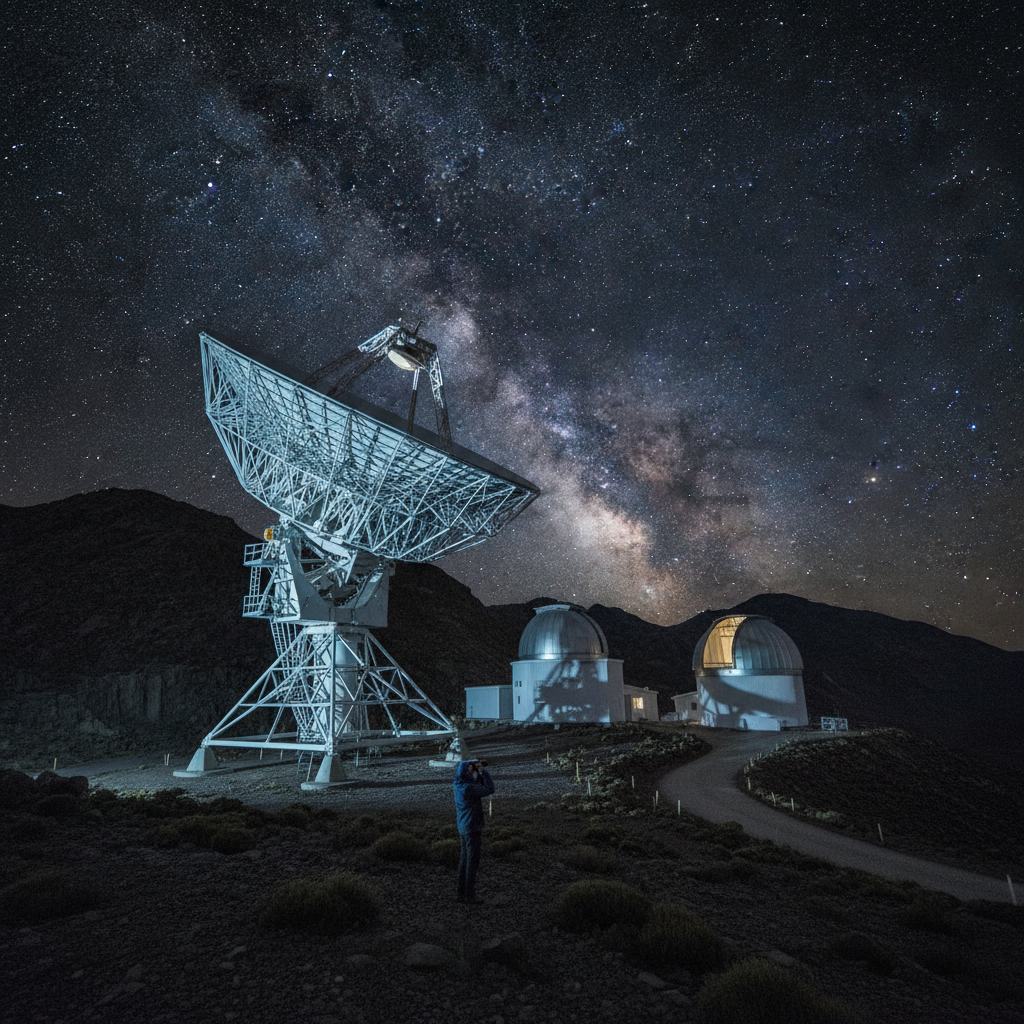
شهد مرصد فيرا سي روبن، التابع للمؤسسة الوطنية للعلوم (NSF) ووزارة الطاقة الأمريكية (DOE)، الإطلاق الرسمي لعملياته الكاملة لمشروع مسح إرث الفضاء والزمن (LSST) الطموح، مما يمثل فصلاً جديداً ومثيراً في مسيرة الاكتشافات الفلكية. يُعد هذا المشروع الضخم أحد أكبر مسوحات التصوير الفلكي في العالم، وهو مصمم خصيصاً لكشف النقاب عن بعض أعمق أسرار الكون. وخلف كواليس هذا المسعى الفلكي الهائل، يلعب فريق من الباحثين والمهندسين اليابانيين دوراً محورياً، مقدّمين خبرات لا تقدر بثمن وقدرات تكنولوجية متطورة.
تتجلى المساهمات اليابانية بشكل عميق في البنية التحتية لـ LSST، حيث يستفيد الفريق الياباني من عقود من الخبرة المتراكمة عبر تطوير وتشغيل تلسكوب سوبارو الشهير. هذه الخبرة حاسمة لدعم البرمجيات المعقدة للمشروع، وأنظمته المتشابكة، وبروتوكولاته التشغيلية الصارمة. يشارك حالياً أكثر من 80 باحثاً من اليابان بنشاط في المساعي العلمية لـ LSST، ويحصلون على وصول مبكر إلى مجموعات البيانات الهائلة التي يجمعها، مما يساهمون في المراحل الأولية لتحليل البيانات وتفسيرها.
يُعد التآزر بين إرث تلسكوب سوبارو ومستقبل LSST أمراً جديراً بالملاحظة بشكل خاص. إن كفاءة الفريق الياباني في التعامل مع تدفقات البيانات الضخمة، وتطوير أنظمة بصرية متقدمة، وضمان كفاءة تشغيلية قوية – وهي دروس مستفادة مباشرة من سوبارو – تنطبق بشكل مباشر على التحديات التي يفرضها LSST. يُعد نقل المعرفة والتكنولوجيا هذا أمراً أساسياً لضمان الأداء السلس والفعال لمرصد مصمم لالتقاط حجم غير مسبوق من البيانات الكونية، مما يضع معايير جديدة في علم الفلك الرصدي.
تتسم الأهداف العلمية لـ LSST بالاتساع والطموح بشكل لا يصدق، حيث تتراوح من رسم خرائط لتوزيع المادة المظلمة والطاقة المظلمة عبر الكون، إلى الكشف عن الأحداث العابرة مثل المستعرات الأعظم، وفهرسة مليارات الأجسام في نظامنا الشمسي، ورسم خريطة الهيكل المعقد لمجرة درب التبانة الخاصة بنا. إن الجمع الفريد بين قدرات مسح روبن واسعة النطاق، والتي ستصور السماء المرئية بأكملها كل بضع ليالٍ، وقدرة تلسكوب سوبارو على الملاحظات التفصيلية عالية الدقة للمتابعة، يخلق ثنائياً رصدياً قوياً لا مثيل له.
يعد هذا النهج التعاوني بتقدم كبير في فهمنا للظواهر الكونية الأساسية. فمن خلال الجمع بين اللقطات الشاملة لمرصد روبن والتفاصيل الدقيقة التي يقدمها سوبارو، سيحصل علماء الفلك على صورة أكثر اكتمالاً ودقة لتطور الكون ومكوناته. تجسد الشراكة المستمرة بين الولايات المتحدة واليابان التعاون العالمي الضروري لدفع حدود البحث العلمي وفتح أعمق أسرار الكون، مما يبشر بعصر ذهبي جديد في استكشاف الفضاء.