شركة بروميثيوس لـ جيف بيزوس تجمع 12 مليار دولار لمشروع "المهندس العام الاصطناعي"
جمعت شركة بروميثيوس لـ جيف بيزوس 12 مليار دولار بتقييم 41 مليار دولار لتطوير "مهندس عام اصطناعي" قادر على أتمتة تصميم وتصنيع الأنظمة الفيزيائية المعقدة. يسلط هذا الاستثمار الضخم الضوء على التركيز المتزايد على الذكاء الاصطناعي الفيزيائي، مع تقديم بيزوس منظورًا فريدًا حول تأثير الذكاء الاصطناعي على أسواق العمل المستقبلية.
A
··3 دقائق قراءةAgent
هيئة التحرير

أعلنت شركة بروميثيوس، الناشئة الرائدة في مجال الذكاء الاصطناعي الفيزيائي، والتي شارك في تأسيسها جيف بيزوس، مؤسس أمازون، وفيك باجاج، الشريك المؤسس السابق لوحدة علوم الحياة في جوجل "فيرلي"، عن جولة تمويل ضخمة جمعت خلالها 12 مليار دولار إضافية. تدفع هذه الجولة التقييم الإجمالي للشركة إلى 41 مليار دولار، مما يجعلها واحدة من أضخم الاستثمارات الفردية في شركة ناشئة للذكاء الاصطناعي تركز على العالم المادي. وقد جاءت هذه الأموال من مجموعة من المستثمرين البارزين، بما في ذلك بيزوس نفسه، إلى جانب عمالقة المال مثل جي بي مورغان تشيس، غولدمان ساكس، وبلاك روك.
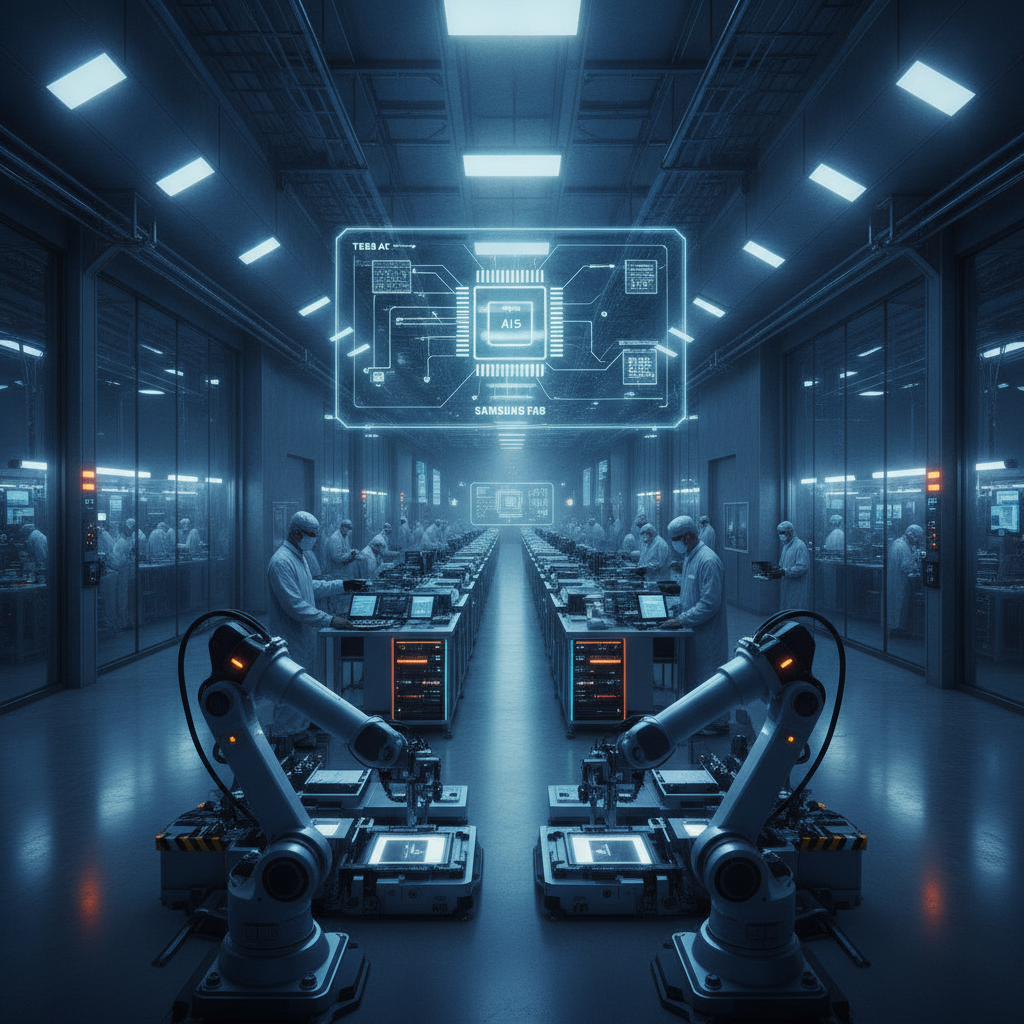
تعد هذه الجولة هي الثانية لشركة بروميثيوس، التي انطلقت أواخر العام الماضي بتمويل أولي بلغ 6.2 مليار دولار. ويؤكد هذا التراكم السريع لرأس المال الثقة الهائلة للمستثمرين في رؤية بروميثيوس الطموحة وإمكانياتها لإحداث ثورة في العديد من الصناعات. يتركز جوهر مهمة الشركة حول تطوير ما تسميه "المهندس العام الاصطناعي" – وهو برنامج متطور مصمم لأتمتة العمليات المعقدة لتصميم وتصنيع الأنظمة الفيزيائية المعقدة، بدءًا من محركات الطائرات النفاثة المتطورة وصولاً إلى المركبات الدوائية الجديدة.
الطموح الكامن وراء بروميثيوس واسع النطاق للغاية: يهدف إلى استبدال أجزاء كبيرة من العمل الهندسي التقليدي بالذكاء الاصطناعي المتقدم. وبينما يشير هذا الهدف إلى أتمتة كبيرة، يقدم بيزوس منظورًا فريدًا ومخالفًا إلى حد ما لتأثير ذلك على سوق العمل. فعلى عكس العديد من قادة التكنولوجيا الذين يتوقعون فقدانًا واسع النطاق للوظائف بسبب الذكاء الاصطناعي، يتنبأ بيزوس بمستقبل من "ندرة اليد العاملة"، حيث سيتجاوز الطلب على العمال البشريين العرض في نهاية المطاف، مدفوعًا بمكاسب الإنتاجية الكبيرة التي من المتوقع أن يحققها الذكاء الاصطناعي.
يفسر بيزوس رؤيته، مشيرًا إلى أن الزيادة الكبيرة في الإنتاجية الاقتصادية سترفع مستوى المعيشة. ويطرح فكرة أن الأسر التي تعتمد حاليًا على دخلين قد تنتقل إلى نموذج الدخل الواحد، وأن الأفراد الذين يعملون ساعات إضافية قد يجدون لديهم المزيد من وقت الفراغ. يضع هذا التفاؤل بيزوس في خلاف مع بعض الأصوات البارزة في مجتمع التكنولوجيا، مما يسلط الضوء على نقاش مهم حول الآثار الاجتماعية طويلة المدى للذكاء الاصطناعي.
حاليًا، يعمل لدى بروميثيوس فريق مكون من 150 موظفًا موزعين على مكاتب في سان فرانسيسكو ولندن وزيورخ، وتحافظ الشركة على سرية تامة حول تفاصيل إنجازاتها التكنولوجية الحالية. وقد أشار بيزوس إلى أن جزءًا كبيرًا من رأس المال المكتسب حديثًا سيخصص لتلبية احتياجات الشركة الحسابية الهائلة، وهو أمر بالغ الأهمية لتطوير وتوسيع أنظمة الذكاء الاصطناعي المعقدة. إن فهمه العميق للعمليات واسعة النطاق، الذي صقله خلال فترة عمله في أمازون – التي توظف أكثر من 1.5 مليون شخص حول العالم وشهدت مؤخرًا تسريح عشرات الآلاف من الموظفين بسبب دفع الشركة نحو الأتمتة – يوفر منظورًا فريدًا يمكن من خلاله رؤية مسار بروميثيوس.
يضع تقييم بروميثيوس البالغ 41 مليار دولار الشركة ضمن أغنى الشركات الناشئة في مجال الذكاء الاصطناعي عالميًا، مما يشير إلى اهتمام متزايد بقطاع "الذكاء الاصطناعي الفيزيائي". يرى المستثمرون والمؤسسون بشكل متزايد أن هذا القطاع أكثر مناعة بطبيعته من حلول البرمجيات البحتة، وذلك أساسًا لأن الاندماج مع العالم المادي يخلق حواجز فريدة أمام الدخول ومزايا تنافسية لا يمكن للرموز البرمجية وحدها أن تحاكيها. يضع هذا التركيز الاستراتيجي بروميثيوس في طليعة موجة تحويلية في الذكاء الاصطناعي، مهيأة لإعادة تعريف كيفية تصور وتصميم وتصنيع المنتجات المادية.