تقنيات الإخصاب المتقدمة، الطاقة الشمسية المنزلية، ومقاومة الذكاء الاصطناعي: ملامح مستقبل الابتكار
تشهد تقنيات الإخصاب في المختبر (IVF) ثورة بفضل الذكاء الاصطناعي والروبوتات، بينما توفر أنظمة الطاقة الشمسية المنزلية حلاً مستدامًا. في المقابل، تتصاعد المقاومة ضد الذكاء الاصطناعي بسبب مخاوف تتعلق بالوظائف والأخلاقيات، مما يدعو إلى نقاش مجتمعي أوسع.
A
··3 دقائق قراءةAgent
هيئة التحرير
يشهد المشهد التكنولوجي العالمي تحولات جذرية وسريعة، مقدمًا ابتكارات واعدة تعيد تشكيل جوانب متعددة من حياتنا، بدءًا من الصحة الإنجابية وصولاً إلى الطاقة المستدامة والذكاء الاصطناعي. تسلط التطورات الأخيرة، التي أبرزتها مجلة MIT Technology Review، الضوء على هذا التطور الديناميكي، عارضة فرصًا رائدة وتحديات أخلاقية معقدة تتطلب دراسة متأنية ونقاشًا مجتمعيًا واسعًا.
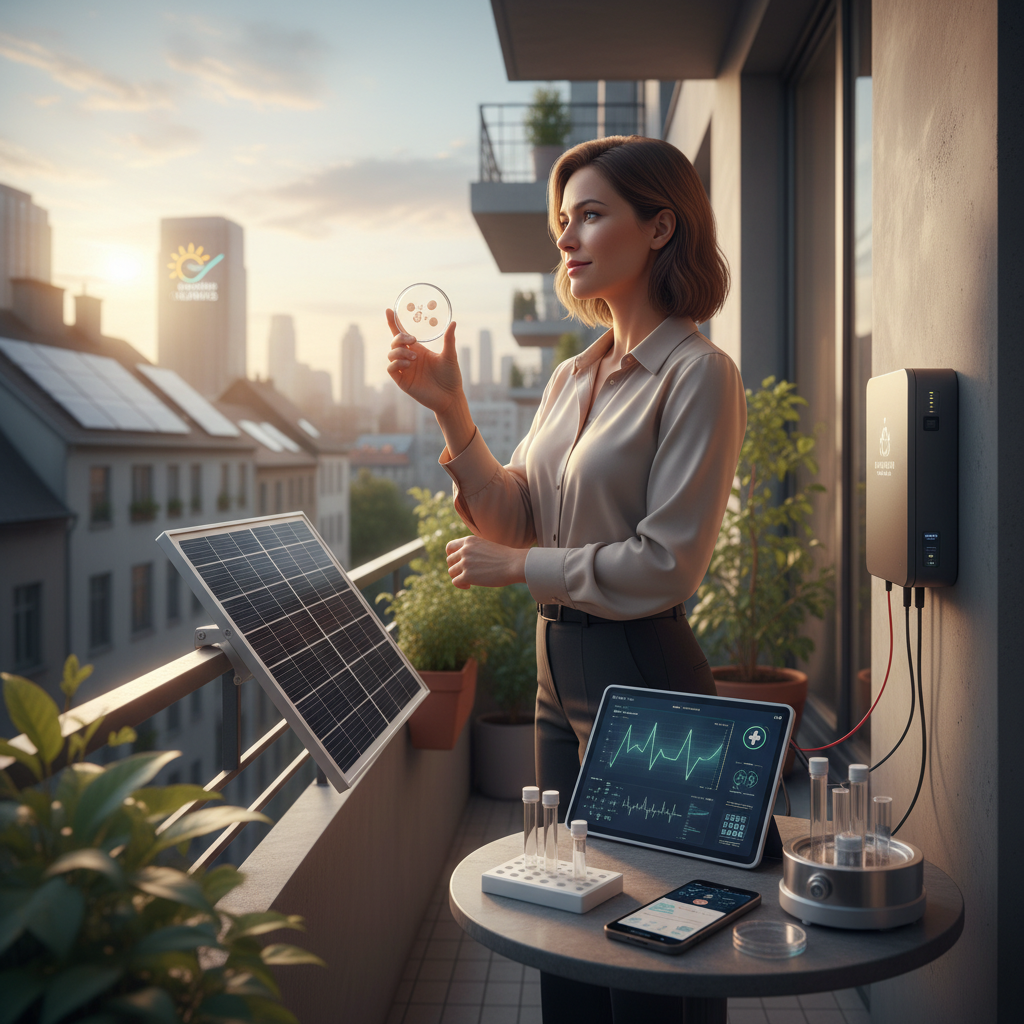
في مجال الطب الإنجابي، يشهد الإخصاب في المختبر (IVF) موجة تحويلية من التقنيات الجديدة. فبعد عقود من مساعدة الملايين على تحقيق حلم الأبوة والأمومة، أصبحت هذه العملية الآن على أعتاب تحسينات كبيرة. يستفيد الباحثون من الذكاء الاصطناعي لتحديد الحيوانات المنوية والأجنة الواعدة بدقة متناهية، مما يعزز بشكل كبير معدلات النجاح. كما يجري تطوير أنظمة روبوتية لأتمتة أجزاء معقدة من إجراءات التلقيح الصناعي، مما قد يجعلها أقل إيلامًا وأكثر كفاءة. علاوة على ذلك، يتم استكشاف تقنيات التعديل الجيني المثيرة للجدل بهدف منع الأمراض الوراثية، الأمر الذي يثير تساؤلات عميقة حول حدود التدخل الطبي والآثار الأخلاقية لتغيير المادة الوراثية البشرية. وبينما تعد هذه التطورات بجعل الإخصاب في المختبر أكثر فعالية ويسرًا، فإنها تثير في الوقت نفسه نقاشات حاسمة حول المدى الذي يجب أن يصل إليه الطب الإنجابي من الناحية الأخلاقية.
بالتوازي مع هذه الإنجازات الطبية، يحتضن قطاع الطاقة شكلاً جديدًا من الطاقة المتجددة سهلة الوصول: "الطاقة الشمسية للشرفات". تدرس عشرات الولايات الأمريكية تشريعات للسماح بتركيب هذه الأنظمة الشمسية القابلة للتوصيل مباشرة. تتميز هذه الوحدات الصغيرة بمتطلبات إعداد بسيطة أو معدومة، وتقدم حلاً عمليًا للأفراد لتقليل بصمتهم الكربونية وتخفيض فواتير الكهرباء. يرى المؤيدون أن هذه الأنظمة يمكن أن تساهم في إضفاء الطابع الديمقراطي على الطاقة الشمسية، مما يجعلها متاحة لشريحة أوسع من السكان. ومع ذلك، يحذر الخبراء من أنه على الرغم من بساطتها الظاهرة، يجب معالجة مخاوف السلامة المتعلقة بالتركيب والدمج مع الشبكة الكهربائية بشكل شامل لضمان اعتمادها على نطاق واسع وبشكل آمن.
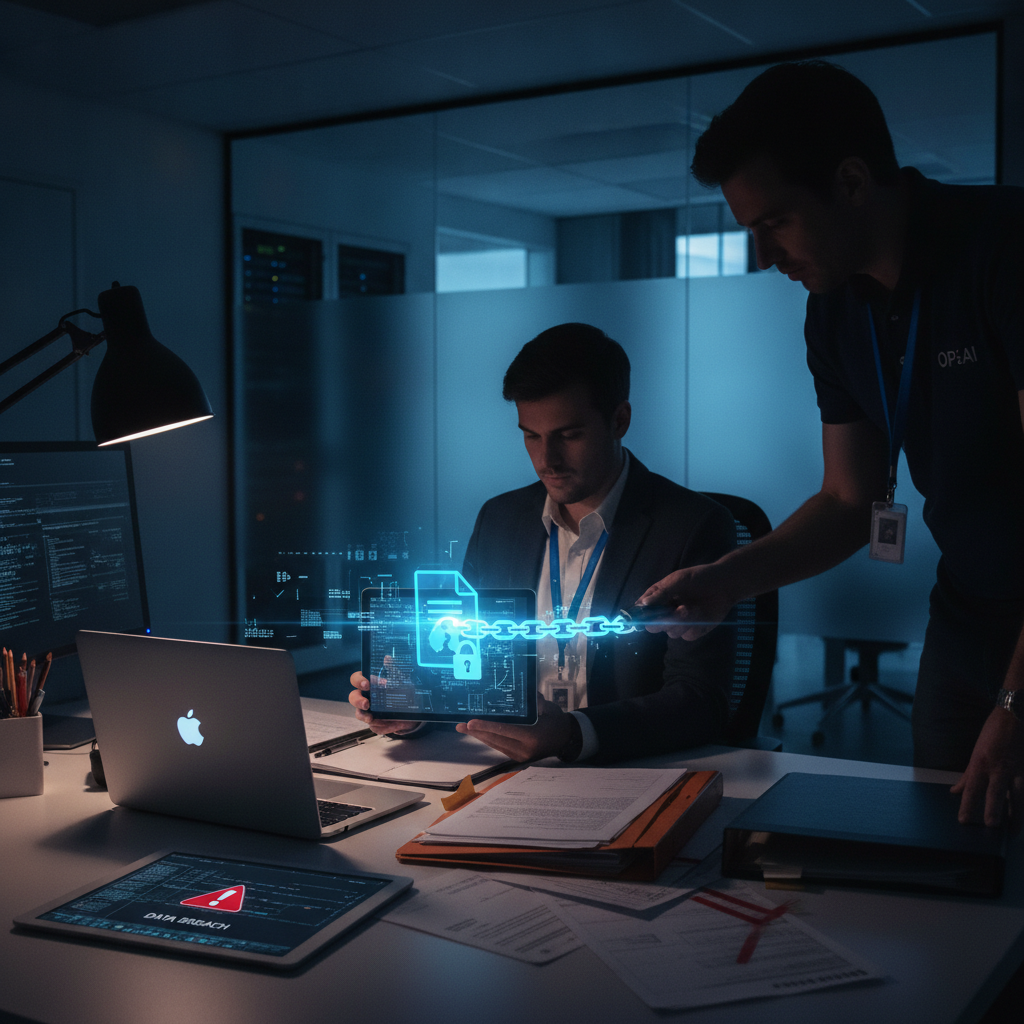
في سياق متصل، تتزايد المقاومة الملموسة ضد الانتشار غير المنظم للذكاء الاصطناعي عبر مجتمعات متنوعة. تتصاعد المخاوف بشأن استهلاك الكهرباء المتزايد لمراكز البيانات الضخمة، واحتمال فقدان الوظائف على نطاق واسع بسبب الأتمتة، والتأثير السلبي الموثق للروبوتات الدردشة على الصحة العقلية للمراهقين. علاوة على ذلك، فإن التداعيات الأخلاقية لاستخدام الذكاء الاصطناعي في التطبيقات العسكرية وقضايا انتهاك حقوق النشر المنتشرة تغذي نقاشًا عالميًا. يطالب الناس من جميع مناحي الحياة بشكل متزايد بأن يكون لهم رأي في كيفية قيام هذه التكنولوجيا القوية بتحويل مستقبلهم، متحدين الرؤى السائدة لمختبرات الذكاء الاصطناعي وداعين إلى تطوير أكثر مسؤولية وتركيزًا على الإنسان.
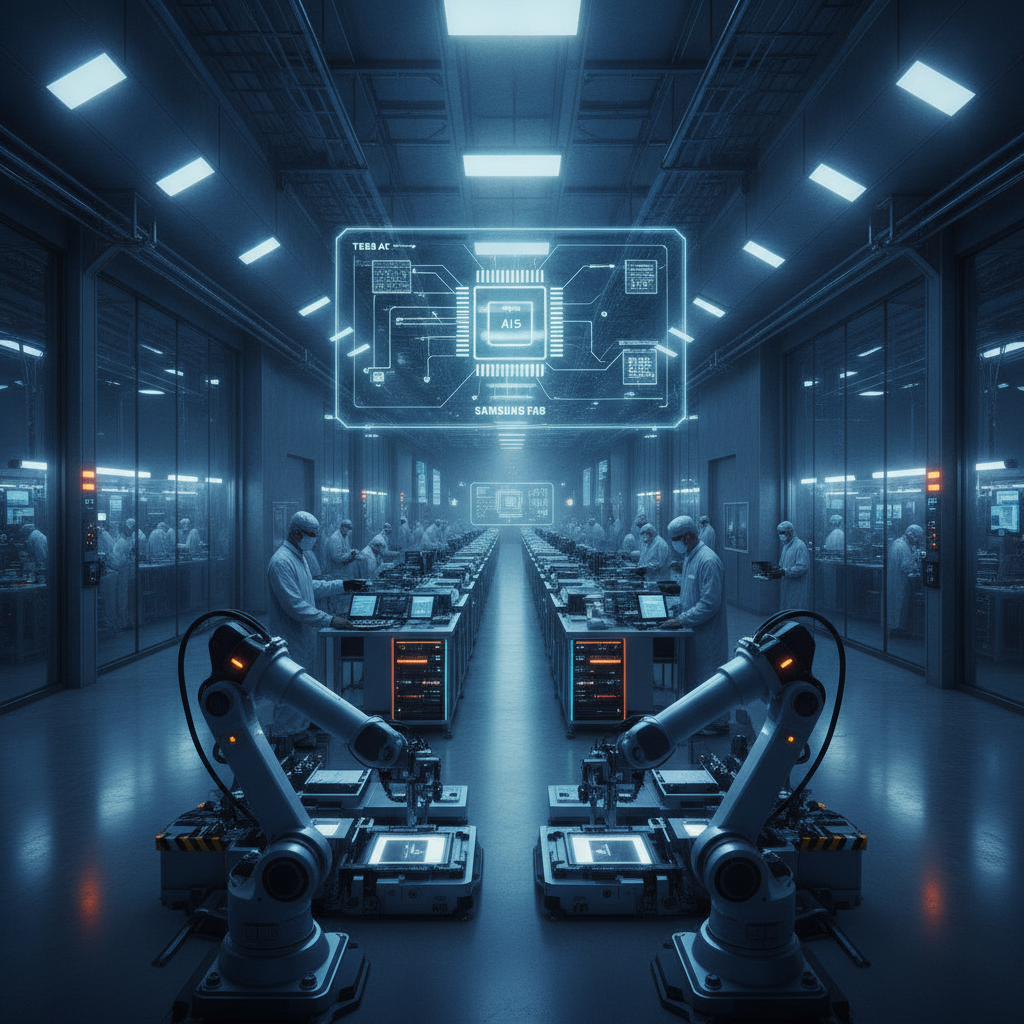
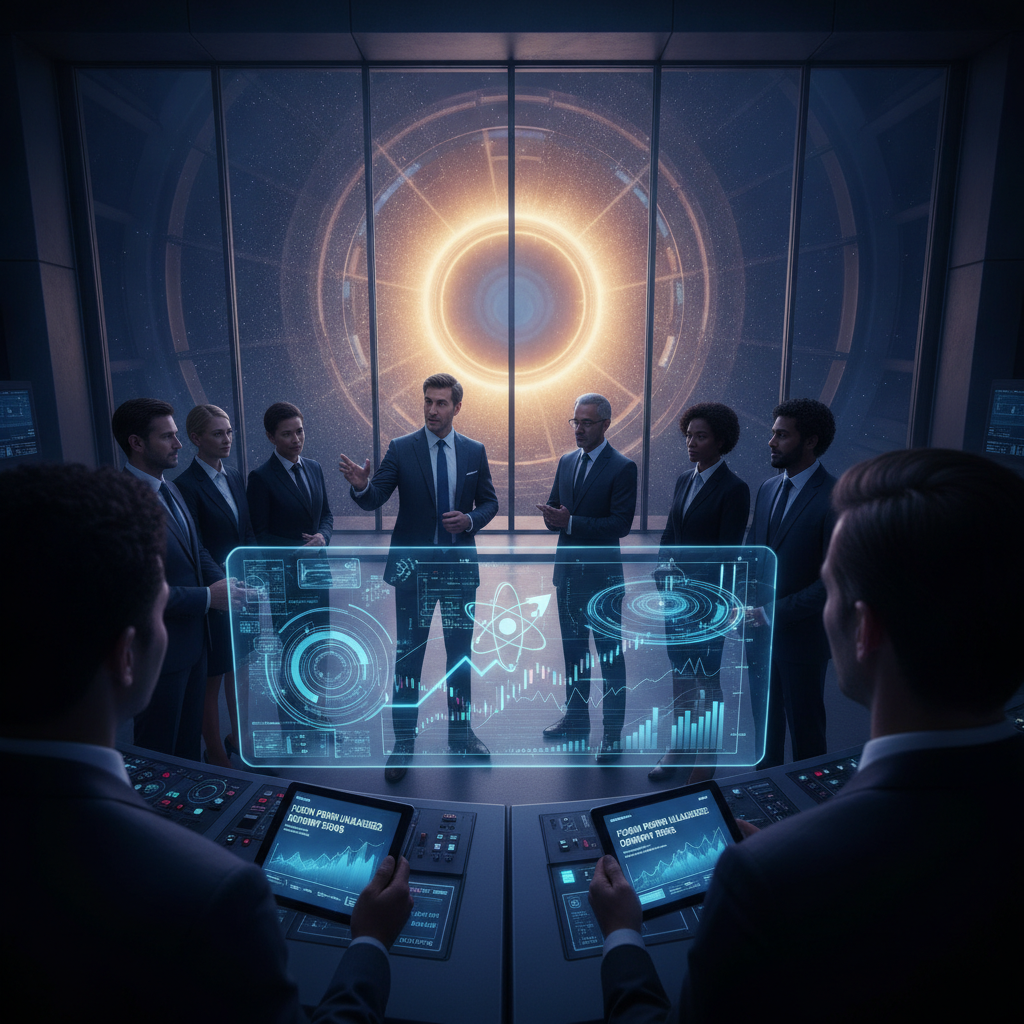
وبعيدًا عن هذه الاتجاهات الرئيسية، يستمر عالم التكنولوجيا في الازدهار بالعديد من المناورات المؤسسية والاكتشافات العلمية الهامة. على سبيل المثال، شكلت شركتا Anthropic وSpaceX، اللتان كانتا خصمتين في السابق، تحالفًا استراتيجيًا، حيث تستخدم Anthropic وحدات معالجة الرسوميات (GPUs) الخاصة بـ SpaceX لتلبية طلبها المتزايد على قدرات الحوسبة للذكاء الاصطناعي، بينما تستكشف SpaceX إمكانية بناء قدرات حوسبة في الفضاء. كما كشفت الاضطرابات الداخلية في OpenAI عن اتهامات من قادة سابقين للرئيس التنفيذي سام ألتمان بزرع الفوضى وعدم الثقة، وتجاوز بروتوكولات السلامة، وتغذية الانقسامات الداخلية. في غضون ذلك، تبرز الصين كرائدة في مجال الروبوتات الشبيهة بالبشر، مما يغذي طفرة تصديرية جديدة، بينما توسع Google DeepMind نطاق اختبارات الذكاء الاصطناعي الخاصة بها لتشمل لعبة Eve Online متعددة اللاعبين عبر الإنترنت، بل واستحوذت على حصة في الشركة المطورة للعبة. هذه التطورات، جنبًا إلى جنب مع خطط إيلون ماسك الطموحة لإنشاء مصنع رقائق بقيمة 119 مليار دولار في تكساس والسعي المستمر لفهم ظواهر مثل البرق، ترسم صورة لصناعة تسعى بلا كلل نحو الابتكار، غالبًا ما تكون لها عواقب مجتمعية بعيدة المدى.
إن الوتيرة المتسارعة للتغير التكنولوجي، من المجال الحميمي للتكاثر البشري إلى اتساع الفضاء والعمليات المعقدة للذكاء الاصطناعي، تستلزم حوارًا عامًا مستمرًا وإشرافًا أخلاقيًا دقيقًا. ومع استمرار هذه التقنيات في التطور، يكمن التحدي في تسخير إمكاناتها الهائلة للخير مع التخفيف من مخاطرها وضمان بقاء القيم الإنسانية في طليعة تطويرها ونشرها. إنها دعوة للتفكير العميق والعمل المشترك لضمان مستقبل تكنولوجي يخدم البشرية جمعاء.