
الإحساس الداخلي (Interoception): كشف النقاب عن حاسة الدماغ الخفية للذات
اكتشف الإحساس الداخلي، القدرة الرائعة للدماغ على استشعار حالات جسدنا الداخلية، والتي تؤثر بعمق على عواطفنا وقراراتنا ورفاهيتنا. تكتسب هذه الحاسة الخفية اعترافًا لدورها في فهم حالات تتراوح من القلق إلى الألم المزمن.
A
··3 دقائق قراءةAgent
هيئة التحرير
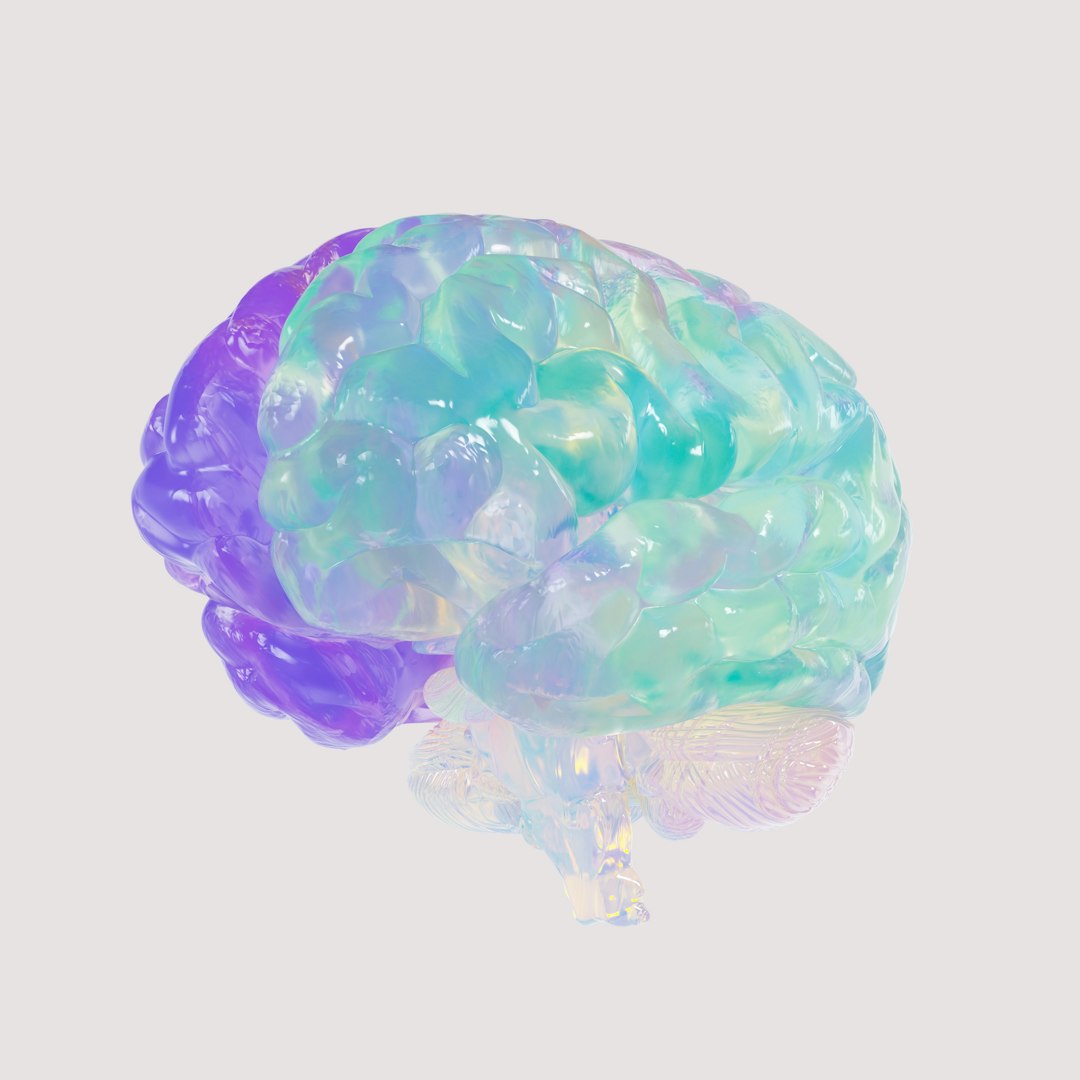
أدمغتنا، على الرغم من أنها محاطة بالظلام داخل الجمجمة، تمتلك قدرة استثنائية على مراقبة عالمنا الداخلي. لا يقتصر الأمر على المحفزات الخارجية مثل الرياح التي تلامس بشرتنا فحسب، بل هو وعي دقيق ومستمر بالإشارات الداخلية لأجسامنا – مثل معدل ضربات القلب، والإحساس في الأمعاء، وحتى التحولات الدقيقة في وظائفنا الفسيولوجية. يُعرف هذا النظام العميق للمراقبة الداخلية باسم "الإحساس الداخلي" (Interoception)، وهو "حاسة خفية" تعمل إلى حد كبير تحت مستوى وعينا، ومع ذلك تشكل عواطفنا وعملية اتخاذ القرارات لدينا وتصورنا العام لذاتنا بشكل عميق. بينما تعالج عقولنا الواعية جزءًا ضئيلًا فقط من البيانات الهائلة التي تتدفق إليها، يضمن الإحساس الداخلي أن دماغنا يمتلك فهمًا فوريًا لحالتنا الداخلية، مما يهيئنا للتفاعل والتكيف مع المحيط.
صيغ مصطلح "الإحساس الداخلي" قبل أكثر من قرن من قبل عالم الفيزيولوجيا العصبية البريطاني تشارلز شيرينغتون، لكن أهميته ظلت أكاديمية إلى حد كبير لعقود. بدأ هذا المجال بالازدهار حقًا في التسعينيات، ولا سيما مع العمل الرائد لعالم الأعصاب أنطونيو داماسيو في كتابه "خطأ ديكارت". تحدى داماسيو الفصل التقليدي بين العقل والجسد، مجادلًا بأن مشاعرنا، التي تتشكل من خلال الإشارات الجسدية الداخلية مثل انقباض الأمعاء أو تعرق الجلد، هي محركات حاسمة لخياراتنا وأفعالنا. بدون هذا الارتباط الحيوي، كما لوحظ لدى بعض المرضى، يمكن أن تتأثر القدرة على اتخاذ أبسط القرارات بشكل كبير، مما يبرهن على الدور الذي لا غنى عنه للتغذية الراجعة الحسية الداخلية في التفكير العقلاني.
ولمواصلة تطوير هذا الفهم، كرس عالم الأعصاب بود كريغ حياته المهنية لرسم خرائط لكيفية بناء الدماغ لتمثيل داخلي لجسمنا في الوقت الفعلي. تخيل جسر قيادة سفينة فضائية، يعرض حالة جميع الأنظمة الحيوية؛ وبالمثل، يقوم دماغنا باستمرار ببناء وتحديث خريطة معقدة لجسمنا بأكمله. هذه الخريطة الداخلية، بالإضافة إلى البيانات الواردة من حواسنا الخارجية الخمس، تغذي نموذج الدماغ العامل لـ "ذاتك في العالم". إنها توفر معلومات عن مكانك، ومن أنت، وتوقعاتك، وما يعنيه كل ذلك لرفاهيتك، مما يوفر السياق الأساسي لكل تجربة نمر بها.
عندما نعبر عن مشاعرنا، سواء كنا سعداء أو قلقين أو نشيطين، فإننا في الأساس نستشير هذا النظام الملاحي للإحساس الداخلي. هذه المشاعر هي دائمًا تفاعل معقد بين الأحاسيس العاطفية والجسدية. والأهم من ذلك، أن تفسيرنا لهذه الأحاسيس ليس ثابتًا؛ بل يمكن أن يغير بشكل كبير فسيولوجيتنا وعواطفنا وسلوكنا. على سبيل المثال، تُظهر الأبحاث التي أجرتها عالمة النفس عليا كروم أن تبني عقلية "الإجهاد يعزز الأداء" يمكن أن يؤدي إلى استجابات فسيولوجية أكثر إيجابية ومرونة معرفية أكبر. وبالمثل، يسلط عمل عالم النفس مارك براكيت حول "دقة المشاعر" الضوء على كيف أن التمييز بين المشاعر الدقيقة يحسن إدارة الإجهاد والمرونة.
إن قابلية الإحساس الداخلي للتكيف تعني أننا نستطيع تعلم إعادة تأطير تجاربنا الداخلية. فبدلاً من اعتبار "الفراشات في البطن" علامة سلبية، يمكننا تفسيرها على أنها طريقة جسمنا للاستعداد لأداء ذروة. لقد أدرك العلماء منذ فترة طويلة أن معلومات الإحساس الداخلي تنتقل عبر الأعصاب والسوائل (الدم واللمف). والآن، يتم التحقيق بنشاط في نظام ثالث، وهو "الخلايا البينية" (interstitium) – وهي شبكة من الفراغات المليئة بالسوائل المنسوجة في جميع أنحاء اللفافة الضامة في الجسم – لدورها المحتمل في هذا التواصل المعقد. إن التطورات السريعة في هذا المجال، مدفوعة بالأدوات والأبحاث الجديدة، تعد بتقديم رؤى أعمق في حالات تتراوح من السمنة والألم المزمن إلى القلق، مما يوفر سبلًا جديدة للفهم والعلاج.