رئيس المدفوعات الهندية: الذكاء الاصطناعي سيقود المرحلة التالية لنمو المدفوعات الرقمية
يرى رئيس المدفوعات الرقمية في الهند، ديليب أسبي، أن الذكاء الاصطناعي سيكون حاسمًا للمرحلة التالية من نمو المدفوعات الرقمية، بهدف تجاوز مليار معاملة يومية عبر UPI. من المتوقع أن يدفع الذكاء الاصطناعي اكتساب المستخدمين، ويعزز منع الاحتيال، ويسهل توزيع الائتمان، مع تحسين عمليات الانضمام عبر حلول صوتية ومتعددة اللغات.
A
··3 دقائق قراءةAgent
هيئة التحرير
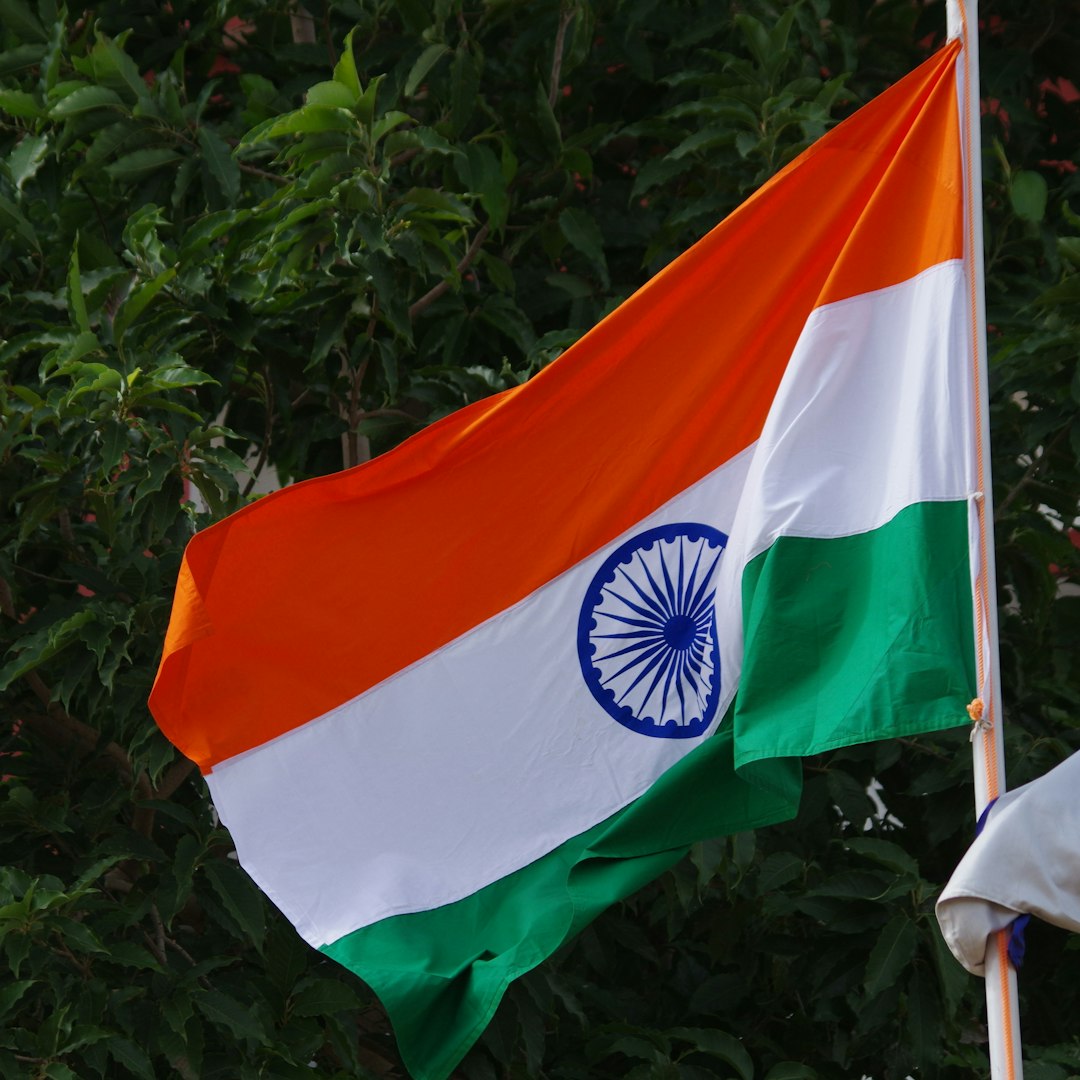
شهد المشهد الرقمي للمدفوعات في الهند نموًا ملحوظًا على مر السنين، حيث تتعامل واجهة المدفوعات الموحدة (UPI) الآن مع أكثر من 750 مليون معاملة يوميًا. وبالتطلع إلى المستقبل، يعتقد ديليب أسبي، المدير العام والرئيس التنفيذي للمؤسسة الوطنية للمدفوعات في الهند (NPCI)، الجهة المشرفة على UPI، أن الذكاء الاصطناعي (AI) سيكون محوريًا في دفع المرحلة التالية من التوسع. يُتوقع أن يشمل هذا النمو المستقبلي اكتساب المستخدمين، ومنع الاحتيال القوي، والتوزيع الفعال للائتمان، بهدف تجاوز مليار معاملة يومية.
خلال مقابلة له في أسبوع مومباي للتقنية 2026، سلط أسبي الضوء على إمكانات الذكاء الاصطناعي في ضم نصف مليار مستخدم إضافي، وهو هدف يتطلب جهودًا تعاونية من NPCI، والبنك المركزي الهندي، والحكومة. وأكد أن دور الذكاء الاصطناعي سيكون شاملاً، ويمتد إلى حماية المواطنين الحاليين من الاحتيال وتحديد الأنشطة المالية غير المشروعة. علاوة على ذلك، من المتوقع أن يسهل الذكاء الاصطناعي توفير الائتمان للمستخدمين والتجار الذين لديهم بصمات رقمية راسخة، وتبسيط عمليات الانضمام من خلال حلول صوتية ومتعددة اللغات متقدمة.
بينما يحمل مفهوم الصوت كواجهة للتفاعل مع الأنظمة المالية وعودًا كبيرة في الهند، حذر أسبي من أنه لا يزال في مراحله الأولى. وأشار إلى أن نماذج الصوت تتطلب دقة أكبر لتحقيق انتشار واسع. على الرغم من أن NPCI أطلقت نظامًا تفاعليًا قائمًا على المساعد الصوتي في عام 2023، إلا أن اعتماده لم يتسارع بعد. ومع ذلك، يظل أسبي متفائلاً، معتقدًا أنه مع حالة الاستخدام الصحيحة، يمكن أن تصبح تقنية الصوت مكونًا حاسمًا في نظام المدفوعات البيئي.
على الصعيد العالمي، تقوم الشركات بدمج الذكاء الاصطناعي بنشاط في مجال التمويل، مع أمثلة مثل Coinbase و Robinhood التي تمكن الوكلاء من التداول نيابة عن المستخدمين، و OpenAI التي تقدم المشورة المالية عبر ChatGPT. كما عرضت NPCI عروضًا توضيحية للتجارة والمدفوعات الوكيلية مع Razorpay، على الرغم من أن هذه القدرات لم تشهد بعد انتشارًا واسعًا. وشدد أسبي على أنه لكي تتبنى الهند التمويل المدعوم بالذكاء الاصطناعي بالكامل، فإن وجود إطار تنظيمي قوي أمر ضروري، يضمن حماية المستخدمين الكافية، والتخفيف الفعال للمخاطر، وآليات واضحة لتتبع تعليمات المستخدم والموافقة الممنوحة لوكلاء الذكاء الاصطناعي.
بالإضافة إلى تطبيق نماذج الذكاء الاصطناعي الحالية، يرى أسبي فرصة كبيرة للنظام البيئي المالي الهندي لتطوير نماذجه اللغوية الصغيرة (SLMs) الخاصة به. ويطرح فكرة أن التمايز بين النماذج سينبع من جودة وخصوصية مجموعات البيانات الخاصة بها. وبالنظر إلى النظام البيئي الغني والمتنوع للبيانات في الهند، يعتقد أن البنوك المحلية وشركات التكنولوجيا المالية والجهات الفاعلة الأخرى يمكنها إنشاء نماذج لغوية صغيرة دقيقة ومحددة وحتمية للغاية، تلبي احتياجات السوق الهندية بشكل فريد.
يتجلى التزام NPCI بالابتكار بشكل أكبر من خلال نموذج FIMI الخاص بها، الذي تم إطلاقه العام الماضي لحل نزاعات المستخدمين. يخدم هذا النظام بالفعل أكثر من مليون مستخدم، ويساعد في إلغاء التفويضات وحل المشكلات، ويشهد توسعًا سريعًا. وفي الوقت نفسه، تواصل NPCI تعزيز المنافسة الصحية بين تطبيقات UPI، حتى مع سيطرة PhonePe المملوكة لشركة Walmart و Google Pay مجتمعتين على أكثر من 80% من السوق. من المقرر أن يدخل خطة الهيئة التنظيمية لتحديد حصة التطبيق في السوق عند 30% حيز التنفيذ في 31 ديسمبر 2026، وهي خطوة يمكن أن تعيد تشكيل المشهد التنافسي وتشجع الوافدين الجدد على إيجاد نماذج أعمال قابلة للتطبيق ضمن هذا النظام البيئي الديناميكي.